
Last updated November 4, 2026
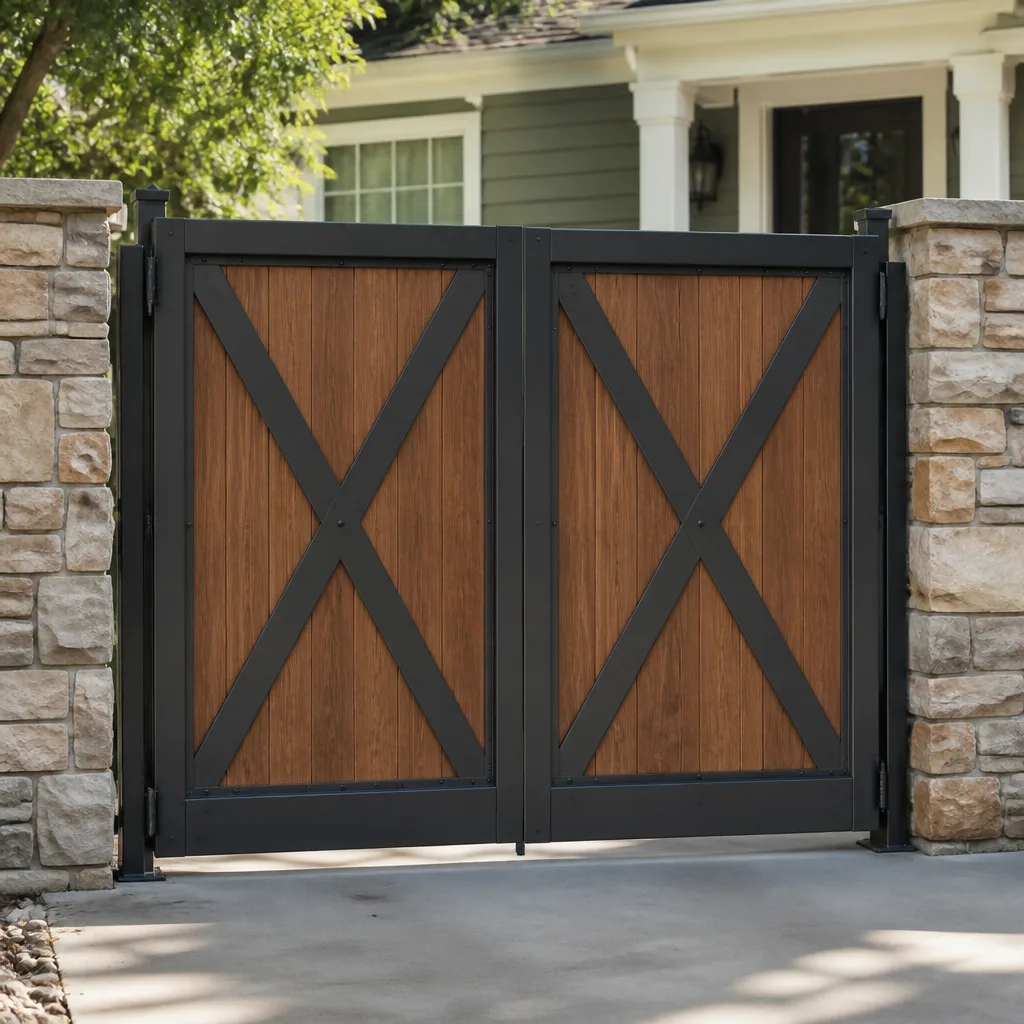 Wood & steel frame
 Wrought iron
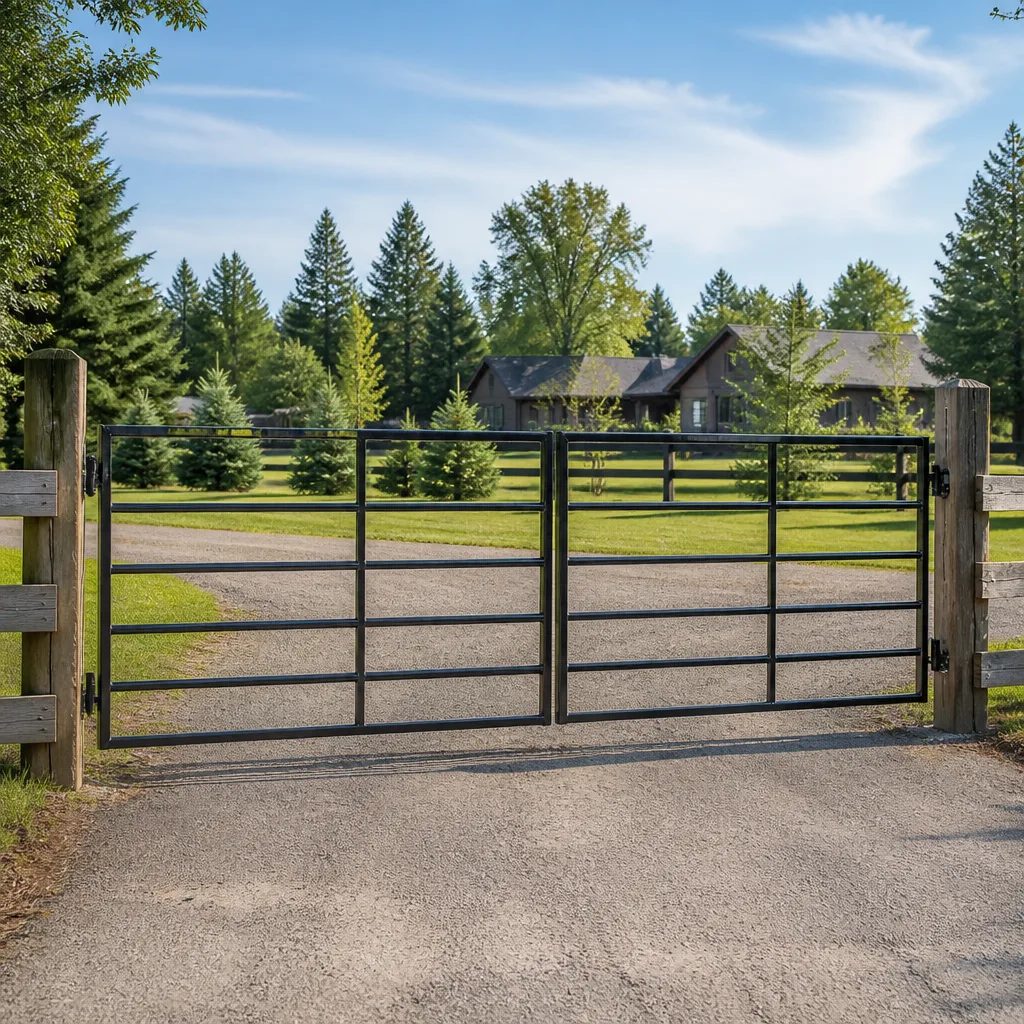 Farm & ranch
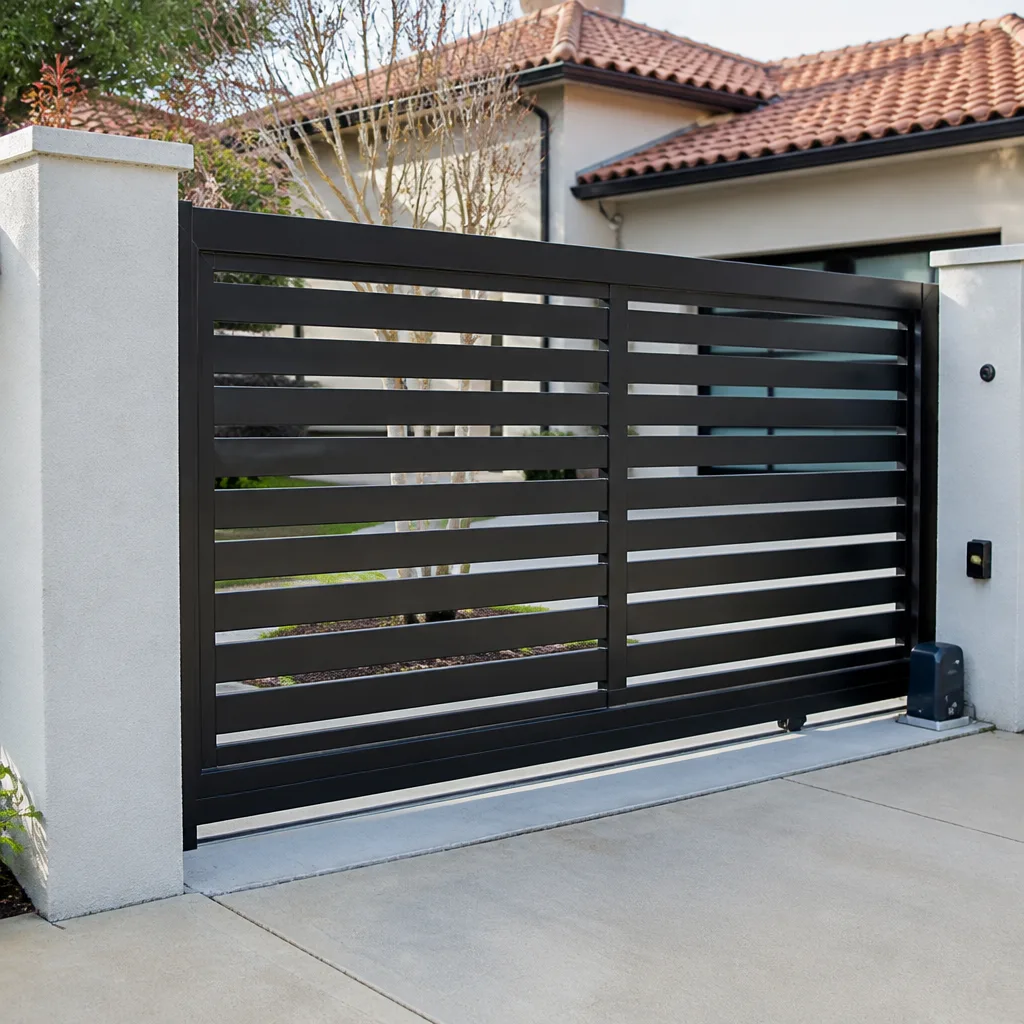 Sliding driveway gates
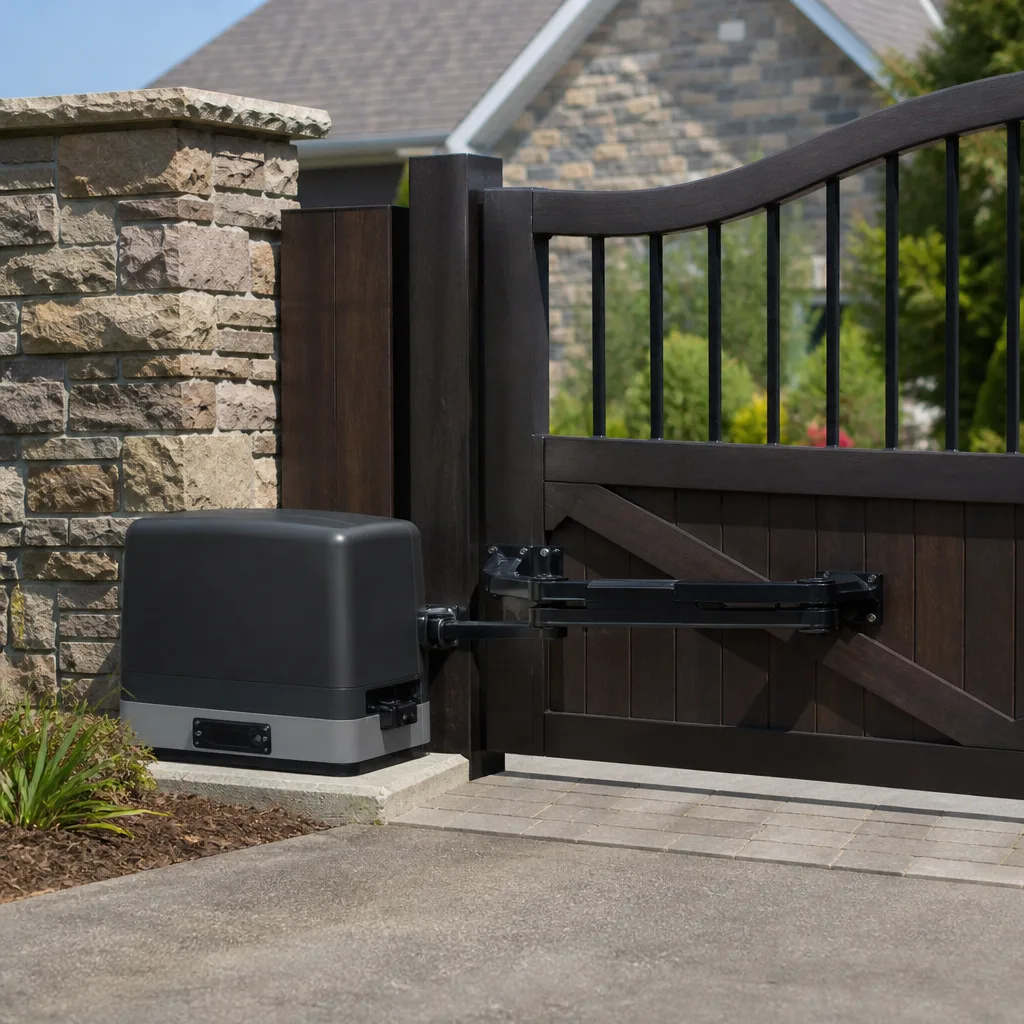 LiftMaster operators
Free on-site gate assessment - hinges, posts, and your LiftMaster or Nice gate operator checked before anything is quoted
The assessment is free and the quote is the invoice.
Get your free estimateGate Repair Emergency Preparedness Guide for Lynwood Homes
Most Lynwood homeowners think about their gate when it stops opening. That’s backwards. The time to understand your gate is before it fails, especially the failure modes that only show up during emergencies. During the 2021 Southern California rolling blackouts, calls to gate repair companies spiked 340% because homeowners suddenly discovered their electric gate had no working manual release or the battery backup had died quietly years earlier. This guide explains what actually happens when an electric gate loses power or fails during a security event in Lynwood, and what you can do now so you’re not standing at your own driveway wondering how to get in.
Quick Answer
Electric gate failure during a power outage in Lynwood is usually caused by one of three things: a dead battery backup, a manual release that was never maintained, or a control board that lost its programming after the power returned. You can prepare now by learning your gate’s manual release procedure, testing your battery backup twice a year, and installing a Knox switch or lockbox for fire department access. Call Gate Repair Lynwood at (855) 360-4375 if your gate won’t respond after power returns. We answer 24/7. Fast dispatch from 7am to 7pm, Sunday through Friday.
Styles & brands we work with
- Wrought iron
- Wood & steel frame
- Farm & ranch
- Sliding driveway gates
- LiftMaster operators
Table of Contents
- What Happens to an Electric Gate During a Power Outage
- How to Manually Release Your Gate Operator
- Battery Backup Systems: How to Test Yours in Under 5 Minutes
- Emergency Access Planning for Fire and EMS
- Gate Failed Closed vs. Gate Failed Open: Two Different Emergencies
- Post-Emergency Inspection Checklist
- Common Mistakes to Avoid
- When to Call a Professional
- Frequently Asked Questions
What Happens to an Electric Gate During a Power Outage
When power drops in Lynwood, your gate operator doesn’t simply stop working. What it does depends on its age, brand, and whether it has a battery backup. Most modern residential gate operators have a control board that monitors incoming voltage. When the voltage disappears, the board either switches to battery power or shuts down entirely. Older systems without a backup simply go dead, and the gate stays wherever it was when the power cut. That’s a problem if your gate was closed and your car was outside.
Many Lynwood homes have gates built in the 1990s and 2000s, and those systems often lack any battery backup at all. Newer installations with LiftMaster, FAAC, Viking, or Linear operators may include a backup battery, but those batteries degrade over time. We’ve seen backup batteries that tested fine on paper but delivered less than ten seconds of actual motor runtime when the power went out. A battery that hasn’t been load-tested in three or four years should be treated as absent.
When power returns, a second problem often appears. The control board may reboot into a fault state, the limit settings may reset, or the gate may start but travel only partway. This is especially common after rolling blackouts where power flickers on and off several times before stabilizing. A gate that worked fine before the outage may now beep, blink an error code, or refuse to respond to remotes. That’s not a mechanical failure; it’s a logic reset, and it often requires a technician to reprogram the board.
Lynwood’s mild winters mean cold weather isn’t a factor in gate failures here. Heat is a bigger issue. Operators mounted in direct sun on a south-facing wall run hot during summer, and a heat-soaked control board is more likely to fault during a power cycle. If your operator housing feels hot to the touch on a summer afternoon, that’s a sign the system is already running near its thermal limit.
How to Manually Release Your Gate Operator
Every electric gate has a manual release mechanism somewhere. The problem is that it’s rarely labeled clearly, and on older installations it may be buried under paint, rust, or landscaping. If you wait until the power is out to find it, you’ll be searching with a flashlight while your family waits in the car.
Here’s how the major brands work:
LiftMaster and Linear Slide Gate Operators
These typically use a T-handle or a lever on the side of the operator housing. Pulling the handle disengages the drive gear from the chain or rack. On some models you need to insert a key first. The gate then moves freely by hand, but a slide gate that’s off the drive is heavy and can roll unexpectedly on any slope. Have a second person ready to control the gate’s movement.
FAAC Swing Gate Operators
FAAC swing operators almost always have a manual release key built into the operator itself, usually a small plastic or metal key that fits into a slot near the base. Turning it a quarter-turn disengages the internal gear. Some newer FAAC models require you to open a small cover first. The gate will then swing manually, but a full-size steel gate carries significant momentum if it swings freely. Don’t let it swing uncontrolled.
Viking Swing and Slide Operators
Viking operators typically use a padlockable release lever on the operator body. The lever disengages the chain or direct drive. On Viking slide gates, the release may be at the end of the drive chain near the gate itself rather than on the motor. Viking’s residential models sometimes use a simple pull-pin that’s easy to miss if it’s painted over.
Ghost Controls and Mighty Mule Swing Operators
These residential kits include a manual release key that fits into a slot on the armature. The key is small and easily lost. If you can’t find it, check the installation manual or contact the technician who installed the system. Ghost Controls and Mighty Mule arms can be disengaged without the key on some models by pulling a release tab on the arm itself, but forcing the wrong part will bend the linkage.
After manual operation, do not re-engage the operator until power is restored and the system has been checked. Re-engaging a gate that’s out of position can strip gears or bend the rack.
Battery Backup Systems: How to Test Yours in Under 5 Minutes
Most homeowners have never tested their battery backup, which means they don’t actually have one. A battery that hasn’t been load-tested is a guess, not a backup. Here’s a five-minute test that doesn’t require tools:
- Find the backup battery. It’s usually a small sealed lead-acid or lithium pack inside the operator housing or in a separate weatherproof box mounted nearby. If you don’t find one, you don’t have one.
- Check the install date. If the battery is more than three years old and has never been replaced, assume it’s weak. Lead-acid backups in Lynwood’s summer heat degrade faster than in cooler climates.
- Kill the power at the breaker. Switch off the dedicated breaker for the gate operator. The gate should continue to operate normally if the backup is functional.
- Run the gate twice. Open and close it fully, twice, on battery power alone. A healthy backup will handle this easily. A weak one will slow down on the second cycle or stop mid-travel.
- Restore power and check for error codes. Turn the breaker back on and watch for beeping or blinking lights. Some control boards log the outage and need a reset.
If the gate doesn’t move at all on battery, or moves sluggishly, the backup needs replacement. This is a routine job for a gate repair technician, and it’s considerably cheaper than discovering the failure during an actual outage.
Emergency Access Planning for Fire and EMS
An electric gate that won’t open can delay emergency responders by minutes, and minutes matter. Lynwood Fire Department crews carry bolt cutters, but cutting through a steel gate or forcing a slide gate off its track takes time and may destroy the gate in the process. A $40 Knox lockbox or a fire department key switch mounted near the gate eliminates that delay entirely.
The Knox system is standard across Los Angeles County. A Knox key switch lets the fire department use their universal key to operate your gate manually from the outside. The switch mounts in a small box on a post or wall near the gate. When activated, it either cuts power to the operator or triggers a relay that opens the gate. Most jurisdictions in Lynwood accept Knox switches as compliant emergency access, but check with the city’s building department before installing one.
If a Knox switch isn’t practical, a combination lockbox with a gate remote inside is a workable alternative, but only if you update the combination when it changes and tell the fire department it exists. A lockbox nobody knows about is worthless. Write your address on the box in permanent marker and make sure it’s visible from the street.
Gate Failed Closed vs. Gate Failed Open: Two Different Emergencies
A gate that fails in the closed position blocks you from leaving or entering, depending on which side you’re on. A gate that fails open leaves your property exposed. These are opposite problems and they require opposite immediate responses.
Failed Closed
This is the more common failure during a power outage, and it’s the scenario that strands a car in the driveway or at the curb. Your priority is safe manual release, followed by securing the gate so it doesn’t swing or slide unexpectedly. If the gate is your only vehicle exit, you need it open now. Use the manual release, move the gate fully open or fully closed, and secure it with a chain or a wedge so it can’t move on its own. Slide gates on Lynwood’s flat terrain are generally well-behaved when disengaged, but any gate on even a slight slope can creep.
Failed Open
An electric gate that loses power while in the open position leaves the driveway exposed. If you can’t stay home to watch it, secure the gate physically. A chain and padlock through the frame works for a swing gate. A slide gate can be chained to a post. If the gate uses a magnetic lock, that lock is now off, and the gate may sit open indefinitely. This is the scenario where you want the gate fixed quickly, not left for a week. A gate stuck open at a Lynwood property with alley access is an invitation, not just an inconvenience.
Post-Emergency Inspection Checklist
After any event where the gate was manually operated or ran on battery power, have a technician inspect the system before putting it back into normal service. Manual operation can knock a gate out of alignment, and a power cycle can scramble limit settings. Here’s what to check:
- Limit settings. The gate should stop in exactly the same open and closed positions it did before the event. A gate that over-travels is a safety hazard.
- Safety edges and photoelectric sensors. These are required on automated gates, and a power event can disable or misalign them. A gate that closes on a car or a person is a serious liability.
- Battery condition. After a genuine outage, the battery had to work. Test its runtime and replace it if it’s marginal.
- Manual release re-engagement. Make sure the release lever or key returns to its normal operating position and the gate drives smoothly.
- Remote and keypad programming. Power loss can wipe transmitter codes on older systems. Test every remote and reprogram if needed.
- Track and wheel alignment. Slide gates that were pushed manually can come off their track slightly. You’ll hear grinding or see wobble on movement.
- Operator mounting bolts. Check that nothing loosened during manual operation.
For electric gate repair after an outage, the written estimate sets the final price and the estimate is free. Call (855) 360-4375. We answer 24/7. Fast dispatch from 7am to 7pm, Sunday through Friday.
Common Mistakes to Avoid
- Forcing the gate open without using the release. A gate connected to its operator puts enormous strain on the motor and gearbox if you wrench it by hand. You’ll turn a power outage into a $2,000 operator replacement.
- Assuming the battery backup works because the little green light is on. That light indicates the charger is working, not that the battery holds a charge. Load-test it or assume it’s dead.
- Not knowing where the manual release is. Finding it during a blackout with a flashlight is a bad plan. Locate it now, during daylight, and make sure every licensed driver in the household knows how to use it.
- Ignoring a gate that shakes or squeals before the emergency. These are early warning signs of a track or gear problem, and they’ll be much worse when the gate is manually operated during an outage.
- Not securing a gate that failed open. A gate that sits open because the power is out is still a security gap. Chain it, padlock it, or park a car across the opening if you can’t stay.
- Re-engaging the operator while the gate is out of position. If you manually moved the gate to a different position than the operator expects, re-engaging the drive can cause immediate damage when the motor runs. The gate must be in the correct position before re-engagement.
- Using the wrong kind of battery as a replacement. Gate backup batteries are specific chemistries and sizes. A car battery or a random Amazon replacement can overcharge, leak, or fail to deliver the right current. Use the battery the manufacturer specifies.
When to Call a Professional
Some emergency gate problems are safe to handle yourself: finding the manual release, testing the battery, chaining a gate open. Others are not. If your gate’s control board is sparking, if the operator motor hums but doesn’t turn, or if the gate has come off its track, stop. These are situations where continued fiddling makes the damage worse and can create a genuine safety hazard, especially with a slide gate that weighs several hundred pounds.
Sliding gates and swing gates have pinch points that can crush fingers or hands. Operators contain capacitors that hold a charge even after power is disconnected. If you’re not sure what you’re looking at, don’t open the operator housing. Gate Repair Lynwood offers free estimates in Lynwood. Call (855) 360-4375. We answer 24/7. Fast dispatch from 7am to 7pm, Sunday through Friday.
Frequently Asked Questions
If the gate won’t open after power returns to your Lynwood home, the control board likely reset into a fault state, the limit settings were lost, or the battery backup failed and the system didn’t reboot cleanly. The fix usually involves reprogramming the board rather than any mechanical work, which a qualified gate technician can do in one visit.
Yes, every electric gate has a manual release, but you need to know where yours is before the power goes out. The release location depends on the brand: LiftMaster and Linear slide operators use a T-handle or lever on the housing, FAAC swing operators use a key near the base, and Viking operators use a padlockable release lever. Locate yours now and have a second person help move the gate if it’s heavy.
Flip the breaker to the gate operator, then run the gate open and closed twice. If it moves normally on battery power, the backup is healthy. If it slows down or stops, the battery needs replacing. Most backup batteries in Lynwood’s summer heat last three to four years at most before they need replacement.
Secure the opening immediately: chain a swing gate to a post or chain a slide gate in place. If the gate has a magnetic lock, it’s disengaged when power is out, so physical security is your only option. Then call a pro, because leaving a gate open at a property with alley access is a security problem, not just an inconvenience.
If your gate is automated and blocks the front entrance, fire crews need a way in. A Knox key switch or a visible lockbox with a remote inside is the standard solution in Lynwood and throughout Los Angeles County. Check with the city’s building department about what’s required for your specific setup.
Most power-related gate failures are control board faults, dead backup batteries, or alignment issues, all of which a technician can typically resolve in a single visit. The exact time depends on your system and the parts needed. Call (855) 360-4375 for an exact quote. Estimates are free, and the written estimate sets the final price before any work starts.
The Bottom Line
Emergency gate failures in Lynwood are almost always predictable. They happen because the battery backup was never tested, the manual release was never located, or the control board was already running hot before the power cut. None of these are secrets locked away in the machine; they’re knowable now, in daylight, with a breaker switch and five minutes. A gate that works fine on a normal afternoon can fail spectacularly at the worst possible moment, and the difference between a minor inconvenience and a serious problem is almost always preparation. Learn your manual release, test your battery, plan for fire department access, and know whether your gate failed open or closed so you can respond accordingly. If things go wrong anyway, you can always call Lynwood‘s gate specialists at (855) 360-4375. We answer 24/7. Fast dispatch from 7am to 7pm, Sunday through Friday.
Written by the team at Gate Repair Lynwood, serving Lynwood since 2011.
See the difference
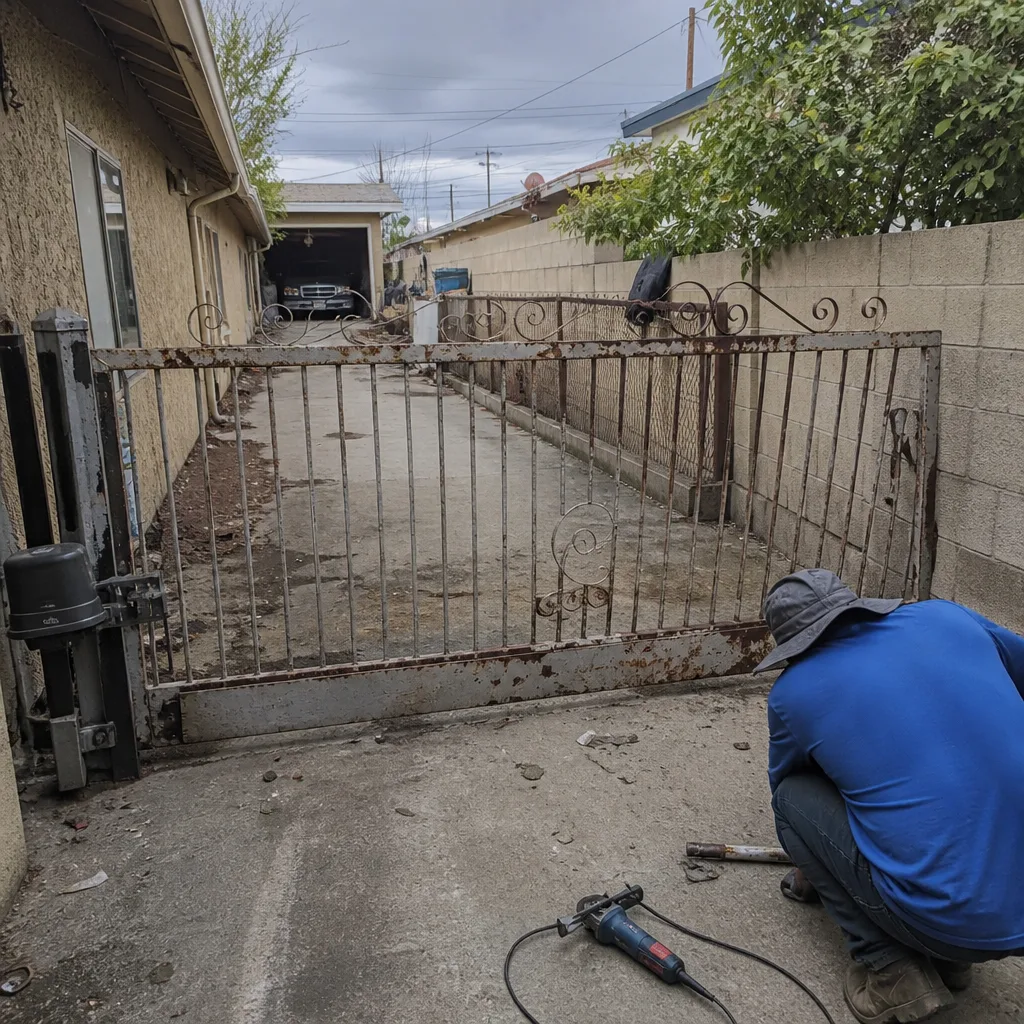 Before
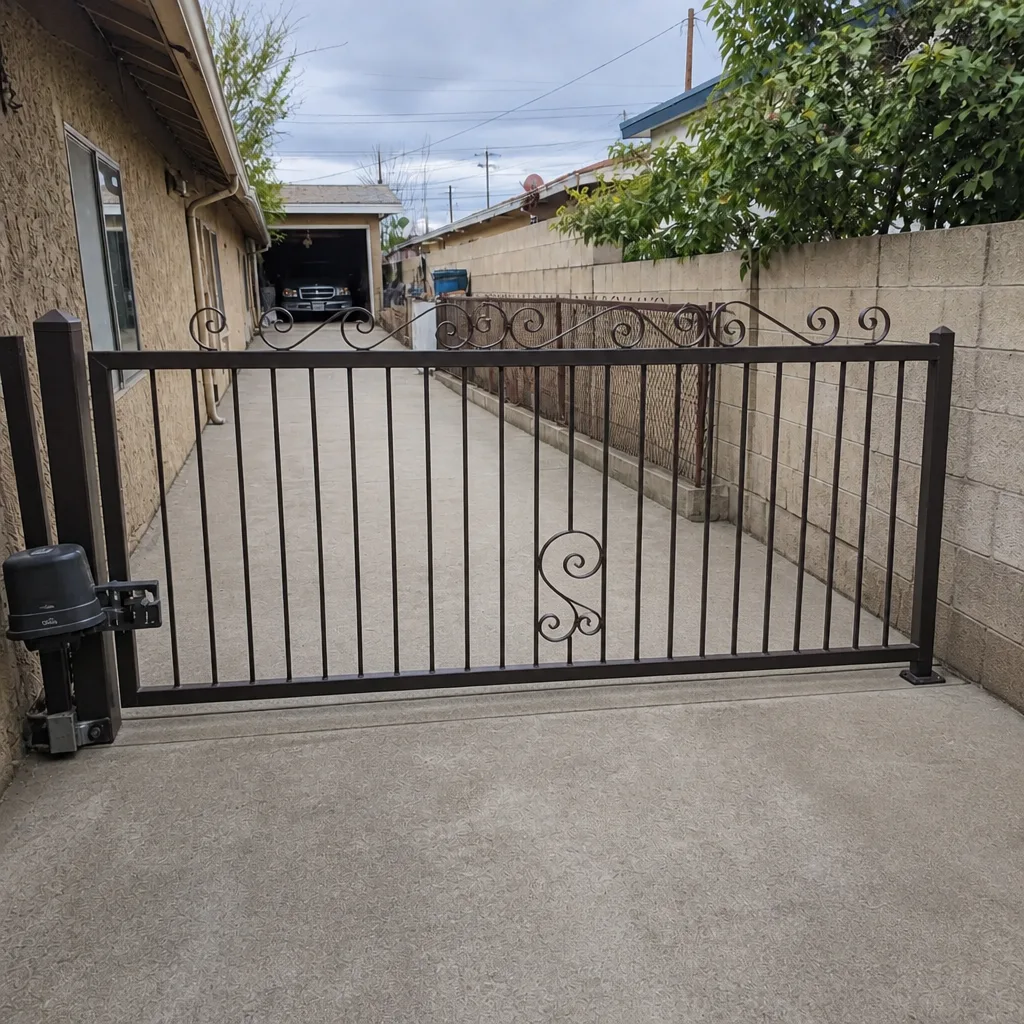 After
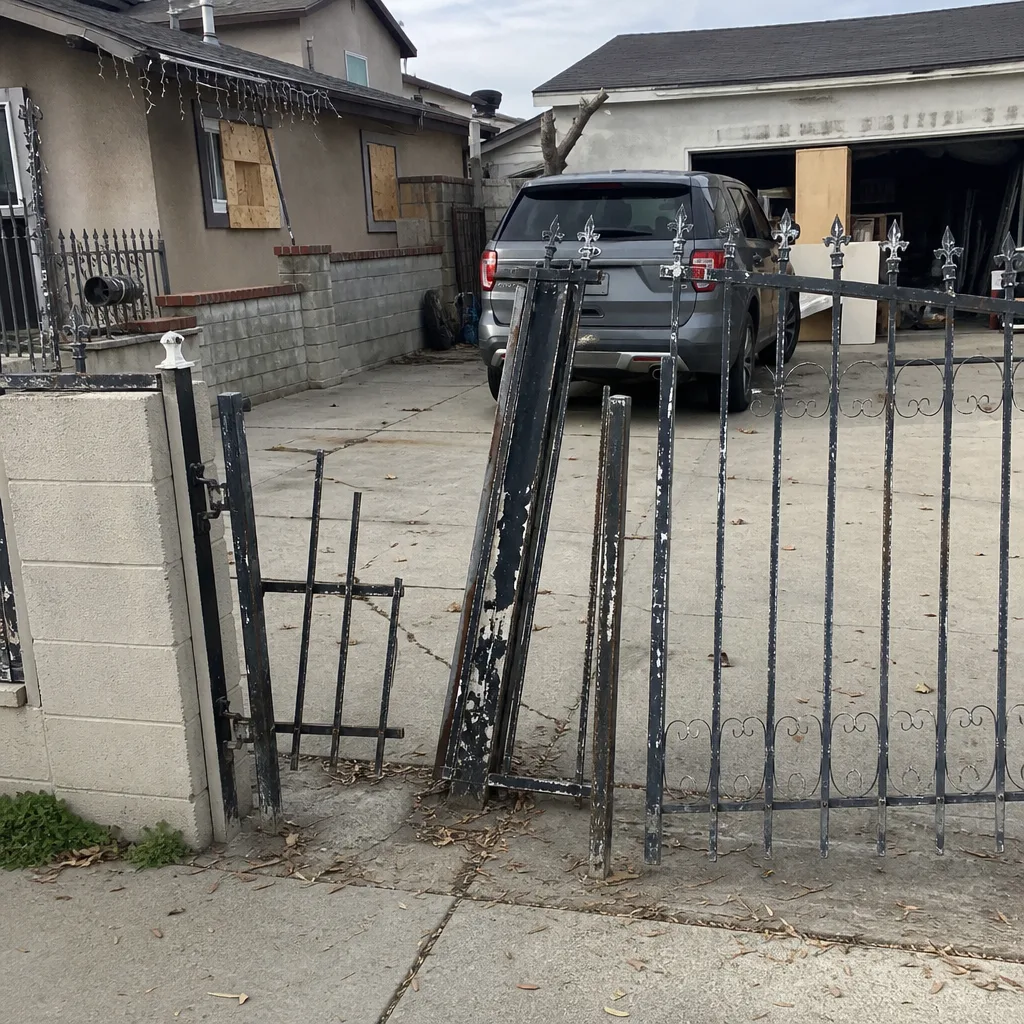 Before
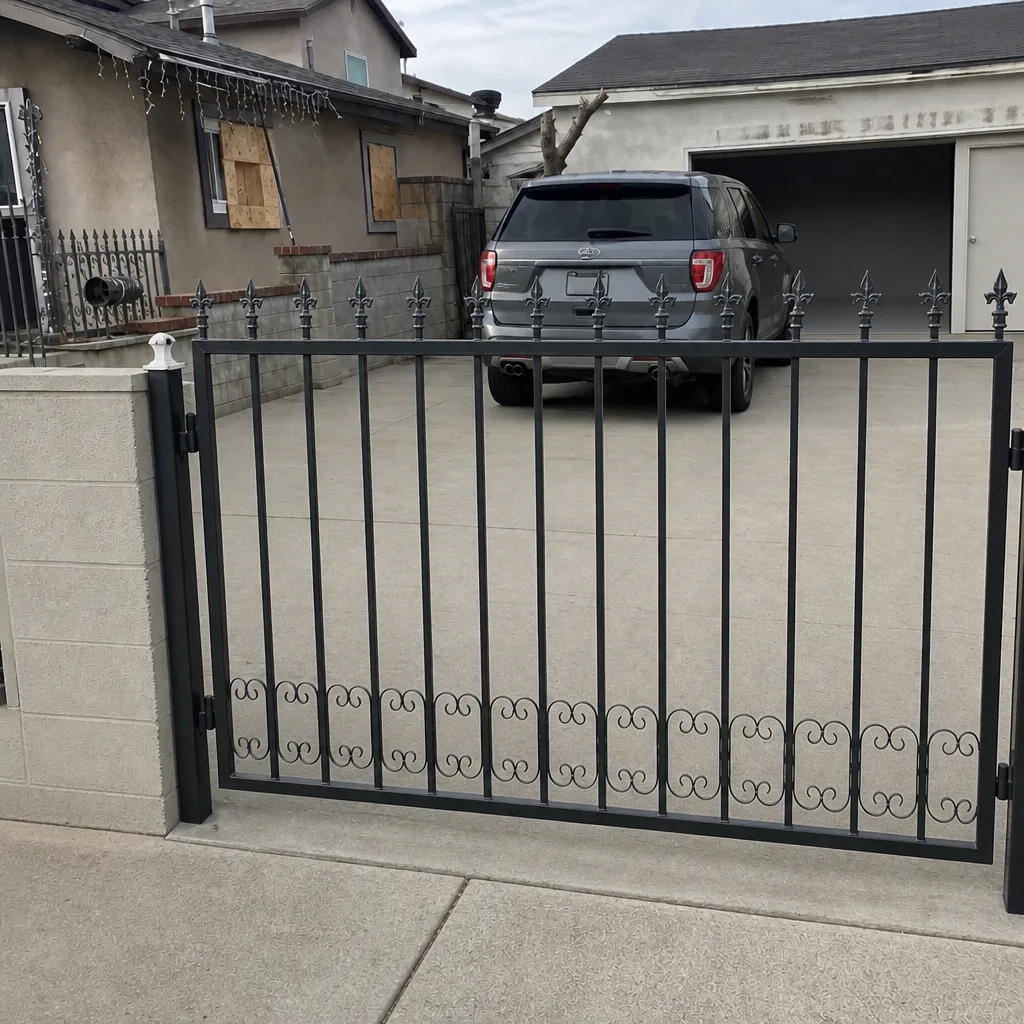 After
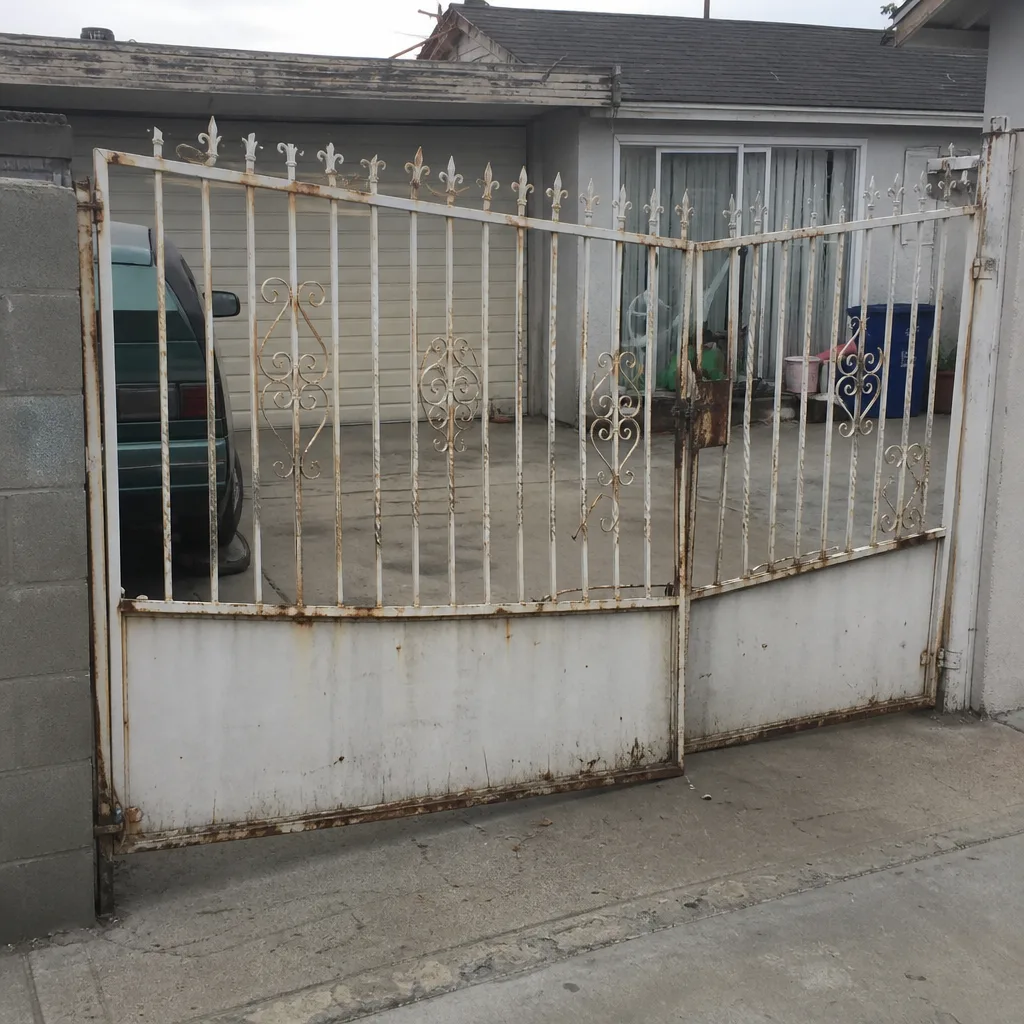 Before
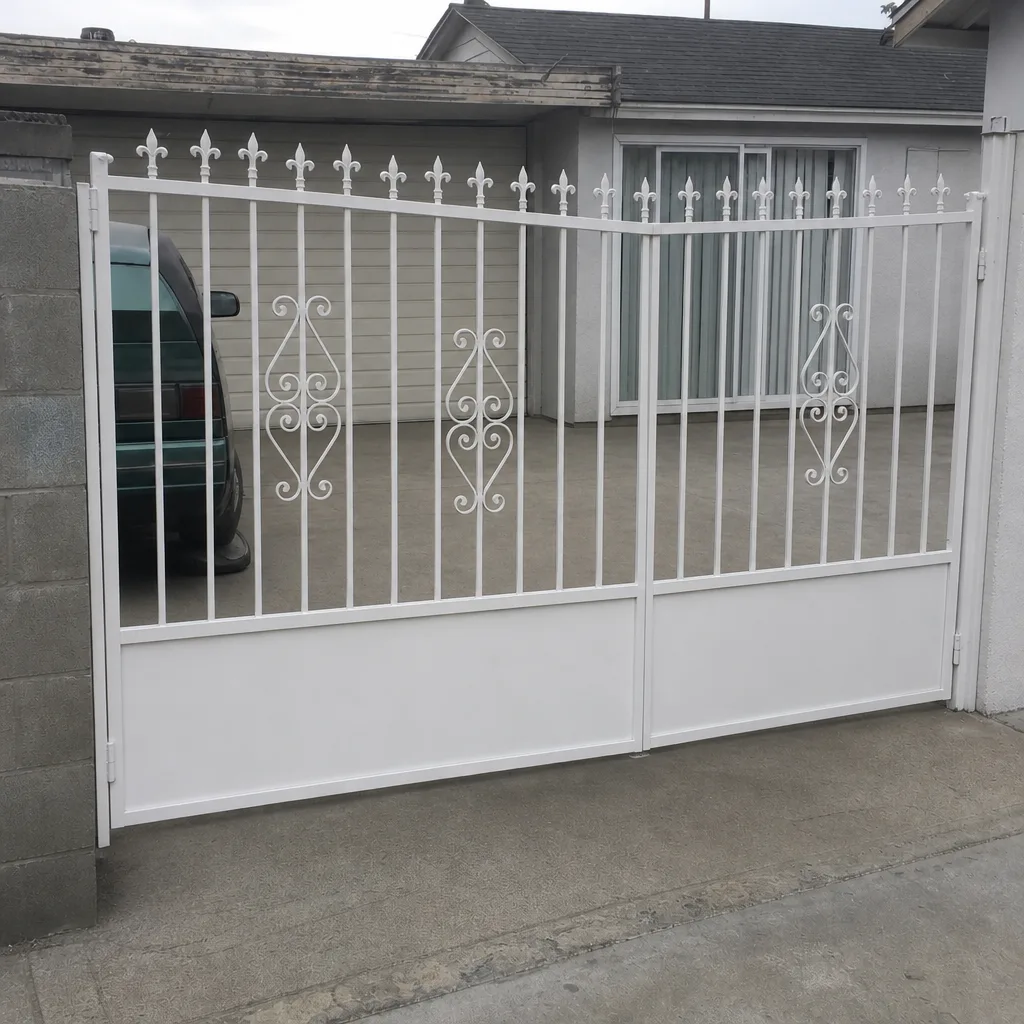 After