
Last updated November 4, 2026
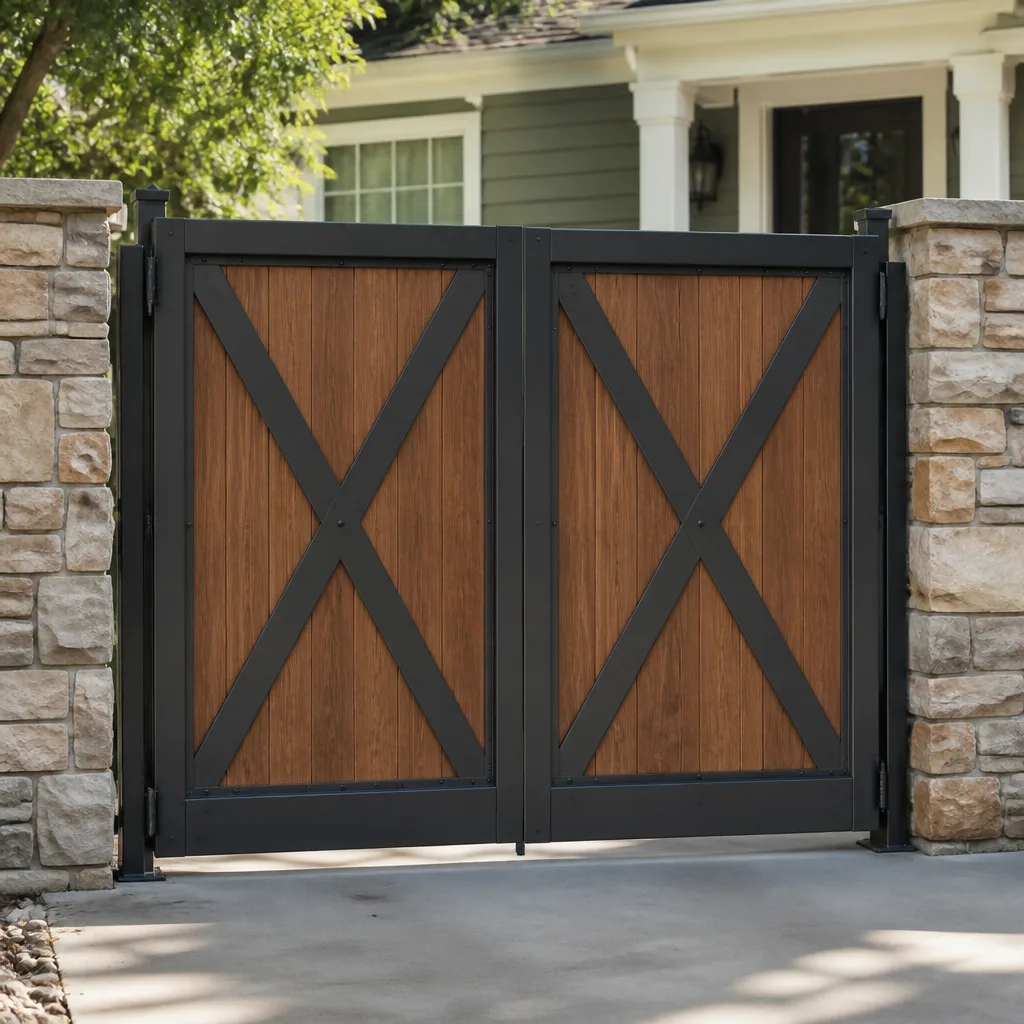 Wood & steel frame
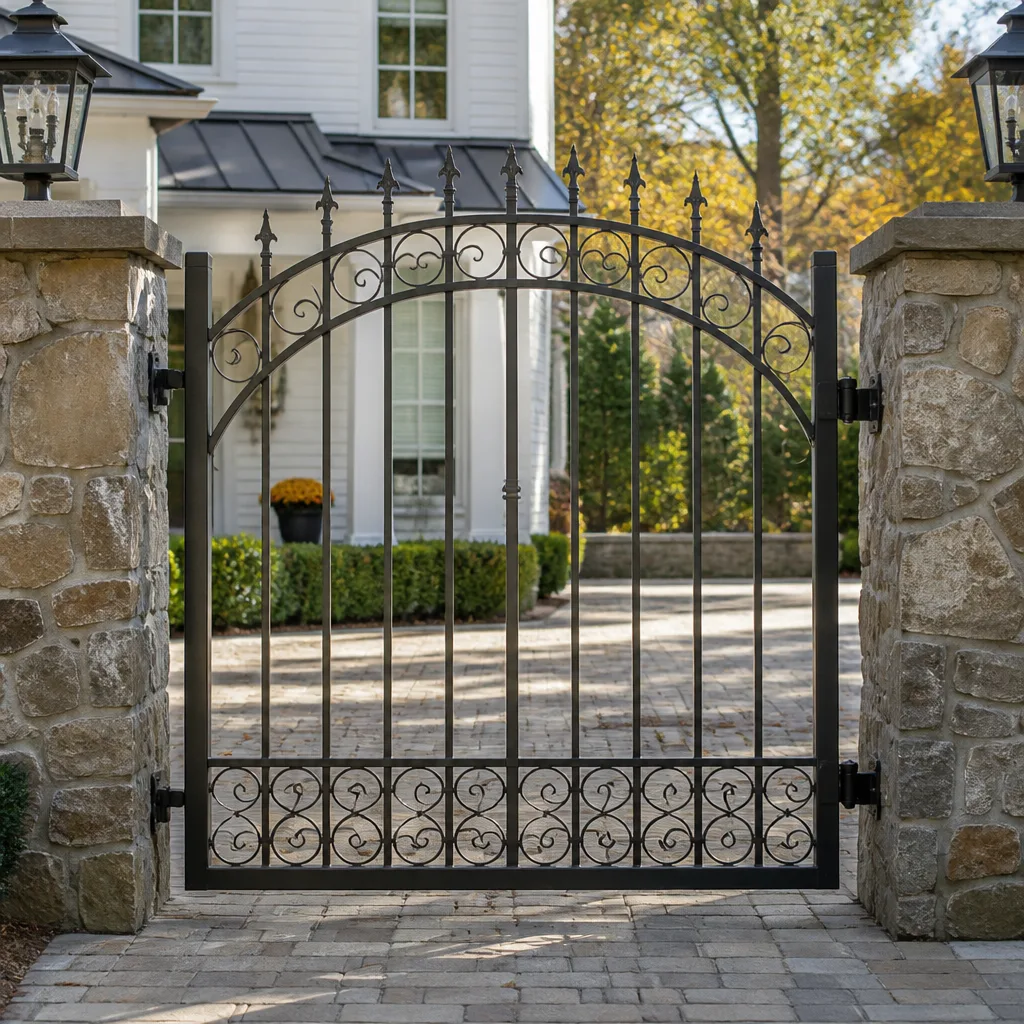 Wrought iron
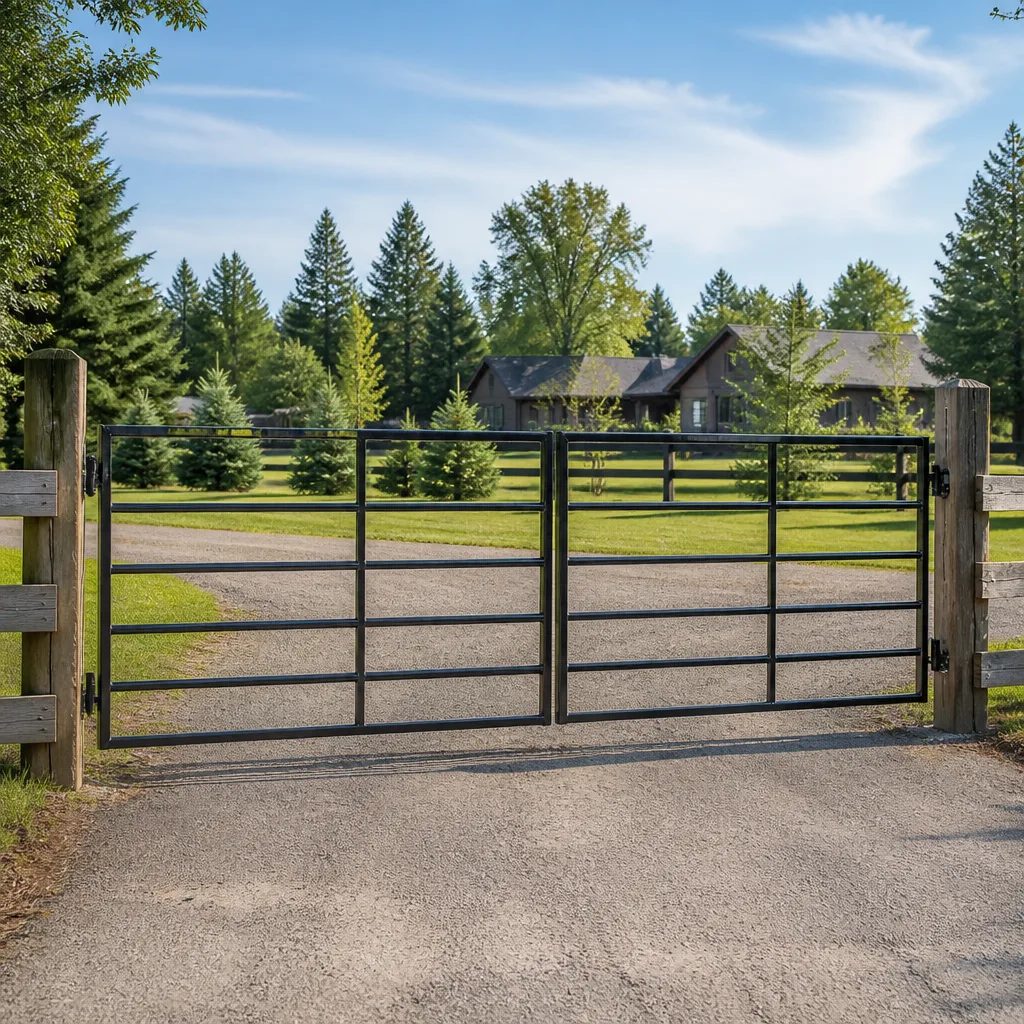 Farm & ranch
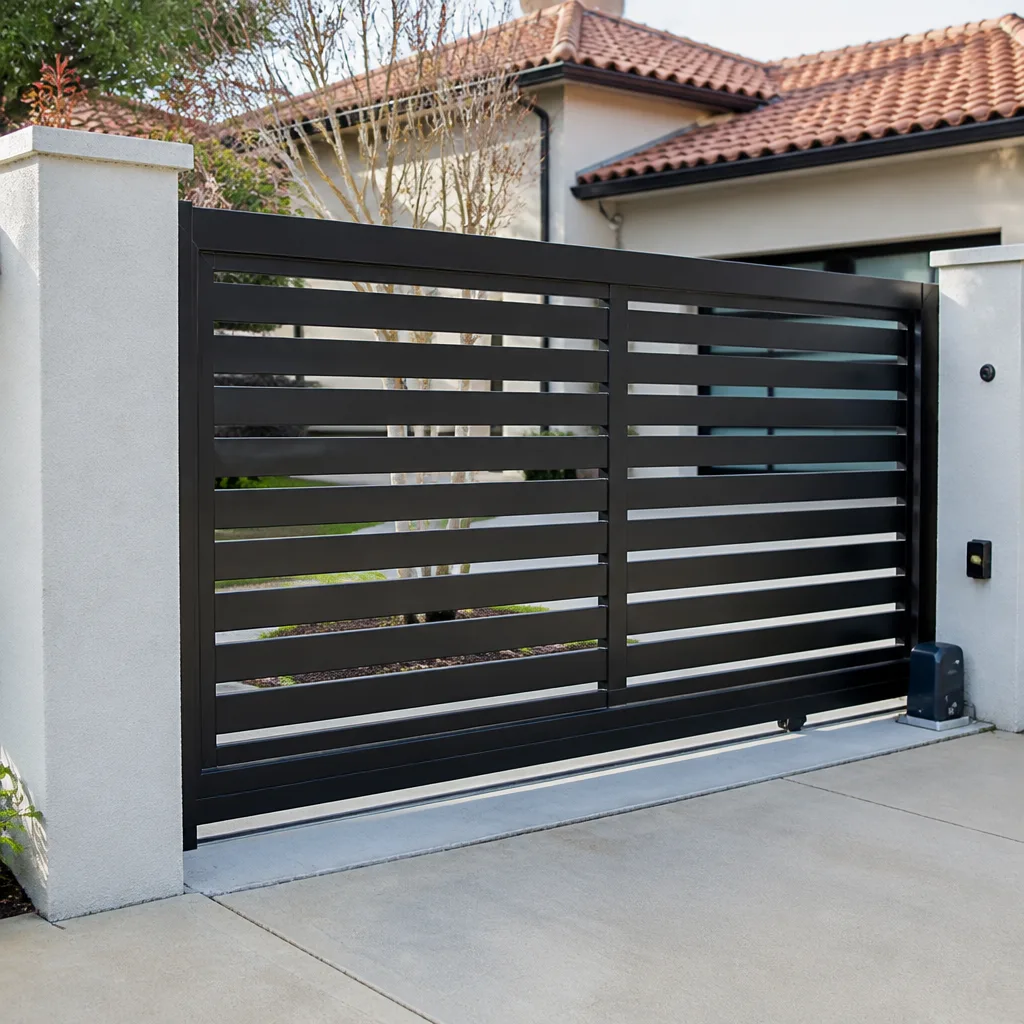 Sliding driveway gates
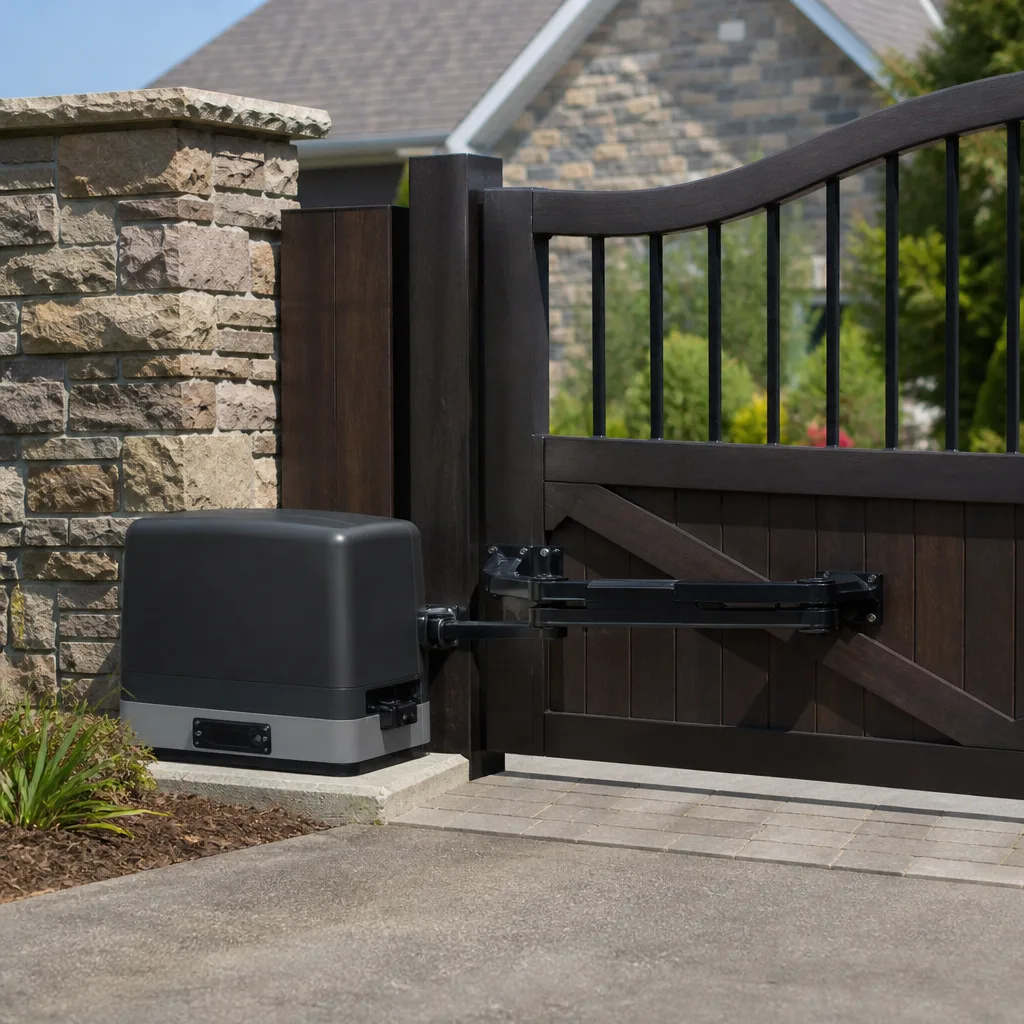 LiftMaster operators
Free on-site gate assessment - hinges, posts, and your LiftMaster or Nice gate operator checked before anything is quoted
The assessment is free and the quote is the invoice.
Get your free estimateChoosing the Right Gate Repair Brand: A Buyer’s Guide for Lynwood
Most gate operator failures in Lynwood don’t start with a stripped gear or a burned-out motor. They start at the purchase decision, when a homeowner or property manager picks an operator rated for 20 cycles a day and then runs it 60 times between morning school drop-offs, landscaping crews, and evening returns. The brand on the housing matters far less than whether the duty cycle matches how your property actually uses the gate. This guide walks through what actually determines whether a gate system holds up in Lynwood’s climate and traffic patterns, how to compare the brands you’ll find in local supply houses, and when sticking with the brand already on your gate makes more sense than switching.
Quick Answer
The right gate operator for Lynwood is one whose duty cycle matches your household’s actual daily use, whose brand has parts stocked in the LA area rather than shipped from out of state, and whose motor and control board are built for sustained high temperatures. For most high-use Lynwood driveways, that means stepping up from an entry-level residential operator to a light-commercial or high-cycle residential unit from LiftMaster, FAAC, Linear, or Viking. A brand that can’t be serviced locally with same-day parts is the wrong choice no matter how well reviewed it is online.
Styles & brands we work with
- Wrought iron
- Wood & steel frame
- Farm & ranch
- Sliding driveway gates
- LiftMaster operators
Table of Contents
- Duty Cycle: The Spec That Matters More Than the Brand
- How Lynwood Conditions Affect Gate Operator Performance
- Comparing the Brands: What Actually Differs on the Ground
- Parts Availability in the LA Area: Why It Decides Your Repair Timeline
- Warranty Terms Across Brands: What Gets Covered and What Doesn’t
- Same Brand Replacement vs. Switching Brands: How to Decide
- Installation-Specific Considerations for Lynwood Properties
- Questions to Ask Before You Commit to Any Brand
Duty Cycle: The Spec That Matters More Than the Brand
Duty cycle is the percentage of time an operator can run before it needs to cool down, expressed over a ten-minute window. A residential operator rated for 20 cycles per day is built for a household where the gate opens maybe twice an hour during peak periods. Run that same operator 60 times in a day, and the motor windings heat up faster than they can shed that heat. The thermal overload protection trips. The gate stops mid-cycle. The control board eventually takes damage from repeated thermal stress. This is the single most common failure pattern we see in Lynwood residential gates, and it has nothing to do with a manufacturing defect.
Here’s how to calculate what your gate actually needs:
- Count every time the gate opens and closes in a single day. A full cycle is open plus close. School drop-off and pickup alone can add 8 to 12 cycles. Add in the cleaning service, the pool guy, deliveries, and family members coming and going, and a busy Lynwood household easily hits 40 to 60 cycles daily.
- Multiply that daily number by seven. That’s your weekly cycle count. If it’s above 140, you’re outside what most entry-level residential operators are rated to handle comfortably long-term.
- Think about peak-hour bursts, not just daily totals. An operator that handles 40 cycles spread across a full day may still overheat if 15 of those cycles happen between 7:30 and 8:15 in the morning. Cycle density matters.
- Compare your numbers against the continuous-duty and high-cycle ratings on the operator you’re considering. If your daily count is near or over the rated number, move up a tier. The price difference between a residential Mighty Mule and a light-commercial LiftMaster or Linear is often a few hundred dollars. The cost of replacing a burned-out operator every two years is considerably more.
We tell Lynwood homeowners this directly: underspec’ing an operator to save money upfront is the most predictable way to buy the same repair twice. If you’re already putting in a gate, size the operator for how you’ll use it on the busiest day of the month, not the average day.
How Lynwood Conditions Affect Gate Operator Performance
Lynwood sits inland in Los Angeles County, which means hot, dry summers and mild winters. Heat is the main environmental factor to plan around. Operators mounted in direct sun face surface temperatures well above the ambient air temperature, especially on south-facing gates with dark metal housings. Heat shortens capacitor life, degrades control board solder joints over time, and pushes marginal-duty motors into thermal overload faster.
What Lynwood does not have is the freeze-thaw cycling that forces different motor and hinge choices in colder climates. No ice, no snow load, no frost-depth concerns for gate posts. That simplifies the decision: you’re choosing for heat tolerance, cycle count, and parts availability, not for cold cranking amps or de-icing hardware.
Wind is a secondary consideration for certain gate types. Solid panel swing gates act like sails in a Santa Ana wind event. An underpowered operator on a heavy, solid gate will strain against wind resistance, drawing more current and generating more heat than the duty cycle math alone would predict. If your gate is a solid panel rather than open pickets, factor that wind surface into the operator sizing. A Viking or FAAC option with higher torque headroom handles sustained wind load better than an entry-level residential unit sized right at the edge of its rating.
The other Lynwood-specific reality is traffic type. Many properties in the area have long driveways, alley-access gates, or gates shared by multiple units. Shared gates multiply cycles. A duplex or small apartment building with a single gate serving four units can put 80 to 100 cycles a day on an operator that was rated for a single-family home. That’s a commercial duty pattern, and it needs a commercial-grade or high-cycle residential operator regardless of what brand badge is on the housing.
Comparing the Brands: What Actually Differs on the Ground
You’ll see a lot of brands in Lynwood gate installations, but the ones that make the most sense to compare seriously are LiftMaster, FAAC, Linear, Viking, and BFT. We service all of these regularly. The differences that matter aren’t about which one has the best rating on a shopping site. They’re about duty cycle range, parts network density, and how each brand approaches control electronics.
LiftMaster
LiftMaster is the default choice for many residential and light-commercial gate installations in the LA area. The brand has deep distribution here, so control boards, photo eyes, and remote transmitters are usually available same-day from local suppliers. The tradeoff is that many LiftMaster residential operators are built to a price point, with duty cycles in the 20 to 40 cycle-per-day range. They work fine for average single-family use. They fail predictably when a Lynwood property pushes past 50 cycles daily. LiftMaster’s commercial lineup, however, steps up significantly in duty rating and is far more appropriate for shared gates. When you’re looking at LiftMaster, the question is always which tier you’re buying, not just which brand.
FAAC
FAAC comes out of the Italian gate automation tradition and tends to show up on higher-end residential and commercial properties. The hydraulic 400-series operators are known for holding up under sustained use without the thermal sensitivity of some electromotive units. The downside for Lynwood owners is parts availability. FAAC boards and hydraulic components are less commonly stocked at volume than LiftMaster or Linear parts, which can mean a multi-day wait if something beyond a basic fuse or capacitor fails. If you choose FAAC, the system itself is generally well built. You’re accepting a longer parts pipeline as the tradeoff.
Linear
Linear sits in the middle ground and is common on apartment building gates and commercial slide systems in the Lynwood area. The brand’s strength is ubiquity. Linear operators, access control keypads, and telephone entry systems are everywhere on multi-tenant properties, and parts are well stocked in the LA supply chain. Linear residential operators are also found on many home driveways, and the parts overlap between residential and commercial lines helps with repairability. For a Lynwood property with a shared gate or a commercial slide system, Linear is often the most serviceable brand in the long run.
Viking
Viking is another brand we work on frequently in Lynwood, particularly for swing gate operators. Viking units tend toward heavier construction and higher torque ratings than the entry-level residential stuff, which makes them a solid choice for solid-panel gates that catch wind. The parts situation for Viking is reasonable in the LA metro area, though not as instantly available as LiftMaster or Linear. What you’re buying with Viking is more mechanical headroom for a gate that’s heavier or more wind-exposed than average. That’s a real advantage on certain Lynwood properties and a non-factor on lightweight picket gates.
BFT
BFT is the fourth brand worth naming in this comparison. The company makes operators across the residential-to-commercial range, and its 24-volt systems are common on newer residential swing gates in the area. BFT control boards lean heavily into encoder-based obstacle detection rather than relying purely on separate safety edges, which changes how troubleshooting works when something faults. Parts availability for BFT in the LA market is spotty for less common boards, so if you’re choosing a BFT system for a new install, ask the estimator where the replacement board comes from and how long it takes to source before you commit.
The takeaway from this brand comparison isn’t that one brand wins. It’s that the right brand depends on your property’s duty cycle, gate weight, and what you’re willing to accept in parts wait times. We’d rather see a properly sized BFT on a gate than an undersized LiftMaster, and we’d rather source a Viking board in three days than wait three weeks for a FAAC part that no local supplier stocks.
Parts Availability in the LA Area: Why It Decides Your Repair Timeline
When your gate fails in Lynwood, the difference between a same-day repair and a three-week wait usually comes down to one thing: can the replacement part be sourced locally? LA is a major distribution hub, but not every gate brand has equal representation in the local supply chain. LiftMaster and Linear parts are stocked deeply enough that a control board for a common model can often be picked up same-day from a local supplier. FAAC, BFT, and some Viking components come from regional distributors with multi-day lead times, and if a board has to ship from a national warehouse, that wait stretches further.
Here’s what that means in practice:
- A failed Logic 5 board on a common LiftMaster slide operator is usually a same-day fix if diagnostic time is short.
- A failed FAAC E024U board may be a 3 to 5 day part, depending on which distributor has stock.
- A less common BFT control board that isn’t stocked regionally could be a 7 to 10 day wait once the order is placed.
- An obscure brand you bought online to save money can easily mean 2 to 3 weeks while a board ships from across the country.
Parts availability should be part of the buying decision, not something you discover after the gate is stuck open. When you’re choosing a brand for a new installation in Lynwood, ask the installer which local distributors carry that brand, what the typical wait is for a control board, and whether common wear items are stocked in Southern California. A brand with thin local parts support isn’t cheaper. It just moves the cost from the install to the first major repair.
This is where the electric gate repair reality differs from the polished sales brochures. When a board fails, nobody cares what the spec sheet said. They care whether the gate is secured and whether the part can be here today. We answer that question the same way every time: work from what’s serviceable before you worry about what’s popular.
Warranty Terms Across Brands: What Gets Covered and What Doesn’t
Warranty language for gate operators varies more than most property owners expect, and the fine print matters when a board burns out heading into summer. The key distinction is between a parts warranty and a labor warranty. A parts warranty covers the failed component. A labor warranty covers the technician’s time to diagnose and replace it. Almost every operator brand provides some form of parts warranty. Almost none provide labor coverage beyond a short installation warranty from the installing contractor.
Here’s the practical version of how it works:
- Parts warranties typically run 1 to 5 years on the operator, depending on the brand and whether the unit is residential or commercial. Longer terms look better in marketing but the covered part is the component, not the service call.
- Labor coverage, when it exists at all, usually comes from the company that installed the gate, not the manufacturer. A board that fails under a parts warranty still costs you the technician’s time unless your installer’s labor warranty is active.
- Warranty claims require proof of purchase and often a specific installation standard. Operators installed on posts that aren’t properly supported can have claims denied for installation-related failure.
- Lightning strikes, power surges, and damage from a vehicle strike are generally excluded from warranty entirely. Those fall to property insurance or out-of-pocket repair.
- See how the operator was wired for power. Some warranties get denied because the circuit feeding the gate wasn’t sized correctly, which isn’t a manufacturing defect.
When you’re comparing brands for a Lynwood property, ask the installer to walk you through what happens when the operator fails in year two. Which parts are covered? Who pays the labor? How long does a warranty part take to arrive? The answer to that last question loops right back to parts availability. A warrantied part that takes two weeks to ship costs you two weeks of a nonfunctional gate, and the financial “savings” of the free part evaporates fast when the gate is your property’s primary security boundary.
Key Takeaways on Warranty Realities: Parts warranty covers the component, not the call. Labor warranty usually comes from the installer, not the brand. The speed of a warrantied repair depends on parts availability, not warranty generosity. Ask about year-two failure scenarios before you buy.
Same Brand Replacement vs. Switching Brands: How to Decide
When an existing operator dies, Lynwood property owners face a fork in the road: replace it with the same brand or take the opportunity to switch. The answer is rarely emotional. It’s a technical decision based on four factors.
One: Why did the current operator fail? If a LiftMaster board failed after eight years of reliable service, replacing it with a new LiftMaster of the same or updated model keeps your remotes, keypads, and wiring consistent. If the same LiftMaster failed after two years because it was undersized for the gate’s duty cycle, staying with the brand but moving up a tier makes sense. If it failed because the gate itself is too heavy for that operator’s design limits, then staying with the brand at the same spec is just scheduling the next failure.
Two: What accessories are already installed? Remote transmitters, access control keypads, phone entry systems, and vehicle loop detectors often speak only to their own brand’s control board. Switching from LiftMaster to Viking may mean replacing remotes and reprogramming entry accessories. That’s a real cost to weigh against the cost of staying within the existing brand ecosystem.
Three: What parts support does the new brand have in LA? If you’re switching because the current brand has been hard to service, that’s a legitimate reason. Switching to a brand with thinner local parts support is going the wrong direction.
Four: Is the existing operator reparable instead of replaceable? Not every failed operator is a lost cause. A bad capacitor, a failed photo eye, or a worn hinge on the gate itself can produce symptoms that look like a dead operator. Before you spend on a full replacement, get a diagnosis that confirms the failure is actually the operator. The answer changes the whole calculation.
A general rule: if the existing brand is among the brands with solid LA distribution and the operator was appropriately sized, stay with it and replace like for like, updated model. If the failure was a sizing error or the brand has been a parts headache, use the replacement as the moment to correct the problem with a properly spec’d operator from a better-supported brand.
We handle this decision with Lynwood owners all the time. Most of the time, the right answer is the less exciting one: replace the dead operator with a properly sized version of what was already there, upgraded a tier if the usage has grown. Switching brands for the sake of change trades a known wiring situation for an unknown one without solving anything.
Installation-Specific Considerations for Lynwood Properties
If you’re planning a first-time gate installation in Lynwood, the brand choice sits inside a bigger decision about gate type, post placement, and electrical service. None of these are separable from operator selection. Here’s the sequence that produces a system that holds up:
- Choose the gate type based on the driveway. Swing gates need room to arc over the driveway. Slide gates need lateral space beside the opening. Barrier-arm gates work only for vehicle control, not for pedestrian security. Lynwood lots vary enough that the driveway geometry usually settles this question before brand enters the picture.
- Size the operator to the gate weight and frequency of use, not the other way around. A heavy solid-panel swing gate needs a higher-torque operator than a lightweight aluminum picket. Daily cycle count determines duty rating.
- Confirm the electrical run from the panel to the gate location. The operator needs a properly sized circuit. A dedicated circuit avoids voltage drop issues and keeps the operator’s electronics clean. If there’s no power at the gate location, the electrical run has to be planned and permitted before the operator goes in.
- Consider the access control side of things. A keypad, phone entry system, or vehicle loop detector all need to communicate with the operator’s control board. Choosing these at the same time as the operator avoids compatibility surprises.
- Ask the city about permit requirements for the gate and the electrical circuit. Lynwood permitting requirements change over time, and solid gates on certain property types trigger specific conditions. A reputable installer checks this before work starts.
- Plan for the hot months. Position the control box so it’s not baking in direct afternoon sun if the property layout allows, and keep vegetation from crowding the operator housing. Airflow matters for heat shedding.
The brand decision lands at step two and step three. It’s the sizing and the electrical reality in Lynwood’s climate that determine whether the operator survives its first few summers, not the logo on the control box. We work on all the major brands, and what separates the systems that last from the ones that don’t is rarely a defect. It’s almost always a mismatch between the operator and the way the property actually uses it.
For existing gates, the same principle applies in reverse. A gate repair diagnosis should identify whether the operator is the right one for the gate and the usage before simply swapping parts. Fixing a burned board on an undersized operator without addressing the sizing guarantees a repeat failure. From the motor to the control board, the whole system has to fit the property.
Questions to Ask Before You Commit to Any Brand
Whether you’re installing new or replacing an existing system, these questions surface the information that actually protects you down the line:
- What’s the rated duty cycle for this operator, and how does it compare to my household’s actual daily use? If the answer is vague, ask for the spec sheet.
- Where do the replacement parts come from? If the answer involves overseas shipping or a single national warehouse, factor that into your decision.
- What’s the typical wait for a control board for this brand in Southern California? A confident installer should be able to answer this from experience.
- Who handles the labor if a part fails under warranty? Is that covered by the installer’s own policy, and for how long?
- Is the operator sized for the gate weight with headroom for wind load, or is it sized right at the edge of its rating?
- Do my existing remotes, keypads, and access accessories work with this brand, or am I signing up for a full accessory replacement?
- What does the electrical service to the gate location look like? Is a dedicated circuit part of the quote or a separate line item?
These questions won’t make you popular with an installer who’s trying to close a quick sale with a low number. They will surface whether you’re talking to someone who thinks in systems or someone who’s just selling boxes.
Common Mistakes to Avoid
- Buying on brand reputation alone. A well-reviewed operator spec’d for a three-bedroom house fails fast on a Lynwood duplex gate that cycles 80 times a day. Brand tells you who made it. Duty cycle tells you whether it will survive your property.
- Undersizing at point of sale. Saving $300 on a lower-tier operator because the installer called it “fine for residential” is the most direct route to a burned motor and a repeat purchase within three years. Size for the busiest month, not the average one.
- Ignoring wind load on solid panels. A solid gate catches Santa Ana winds like a sail. If the operator is sized only for the gate’s weight without wind headroom, it strains every time the wind picks up.
- Choosing an obscure brand for price. A cheap operator from an off-brand supplier might save money on the install and cost three weeks of a stuck-open gate when the board fails and no local distributor stocks it. You’re not saving money. You’re deferring it.
- Assuming the warranty covers everything. Parts warranty and labor warranty are different things. The part might be free. The diagnostic call, the replacement labor, and the two-week shipping delay are usually on you.
- Replacing the operator without diagnosing the gate. Sometimes the operator isn’t the problem. A bent hinge, a sagging gate leaf, or a failing wheel putting drag on the system can kill an otherwise healthy operator. Replacing the operator without fixing the underlying mechanical issue just sacrifices the new unit to the same problem.
- Skipping the duty cycle calculation. Most people never count how many times their gate cycles in a day. They guess, and the guess is usually low. Count it once on a busy day and size accordingly.
See the difference
 Before
 After
 Before
 After
 Before
 After
When to Call a Professional
Some gate decisions are worth making with professional input from the start. If your gate cycles more than 40 times a day, if it’s a shared gate serving multiple units, if the existing operator has failed more than once in five years, or if you’re planning a first-time installation with no power at the gate location, call someone who works on these systems every day. The same goes for any failure involving the operator’s internal wiring or the control board. Line-voltage wiring and high-torque moving gate panels can cause serious injury to someone who doesn’t work with them regularly. A gate that’s jammed under load or an operator with exposed wiring should be treated as a professional repair, not a weekends-and-a-multimeter project.
Gate Repair Lynwood offers free estimates in Lynwood. Call (855) 360-4375 to schedule one. We answer 24/7. Fast dispatch from 7am to 7pm, Sunday through Friday.
Frequently Asked Questions
The best gate operator brand for a Lynwood home depends on your gate’s daily cycle count, weight, and parts availability needs. For most single-family driveways with moderate use, LiftMaster and Linear residential units offer strong local parts support and reasonable duty ratings. For high-use or shared gates, step up to linear or liftmaster light-commercial units, or consider Viking for heavier swing gates. The brand matters less than matching the duty cycle to your actual use.
Gate operator replacement in Lynwood varies with the operator tier, the gate type, and whether access accessories need reprogramming. Entry-level residential swing operators run on the lower end; light-commercial slide systems cost considerably more. A written estimate after looking at your site is the only reliable number. Call (855) 360-4375 for a free estimate.
In Lynwood’s climate and use patterns, a properly sized operator on a single-family driveway typically lasts 8 to 12 years. An undersized operator on a shared gate can fail within 2 to 3 years. Heat is the main environmental stressor, shortening board and capacitor life. Matching duty cycle to usage is the biggest factor in lifespan.
We work on LiftMaster, FAAC, BFT, Linear, Viking, Ghost Controls, DoorKing, Elite, and Mighty Mule. From the motor to the control board, our electric gate diagnostic bench covers the brands most common in Lynwood residential and commercial systems. If your gate uses one of these brands, we can diagnose it and source parts locally in most cases.
Replace with the same brand if the current operator failed due to age and the brand has good local parts support. Switch brands if the failure was caused by undersizing, persistent parts unavailability, or an accessory ecosystem that no longer fits your needs. The decision should follow the diagnosis, not brand loyalty.
For common LiftMaster and Linear failures where the part is in local stock, same-day repair is usually possible. For less common brands or boards that need to be sourced from a regional distributor, repairs take longer. We answer 24/7. Fast dispatch from 7am to 7pm, Sunday through Friday. A call outside dispatch hours is booked into the next opening.
The Bottom Line
Choosing a gate operator brand in Lynwood comes down to duty cycle, heat tolerance, and parts availability. Brand names give you a starting point. What actually determines whether the system holds up is whether the operator was sized for the way the property uses it, and whether the parts can be sourced locally when something does fail. Buy the duty cycle you need before you buy the brand you recognize. Ask about local parts stock before you sign. Size for the busiest month, not the average one. And if the gate fails, diagnose the whole system before replacing any one part. Get those decisions right and the brand decision mostly takes care of itself.
Written by the team at Gate Repair Lynwood, serving Lynwood since 2011.