
Last updated November 4, 2026
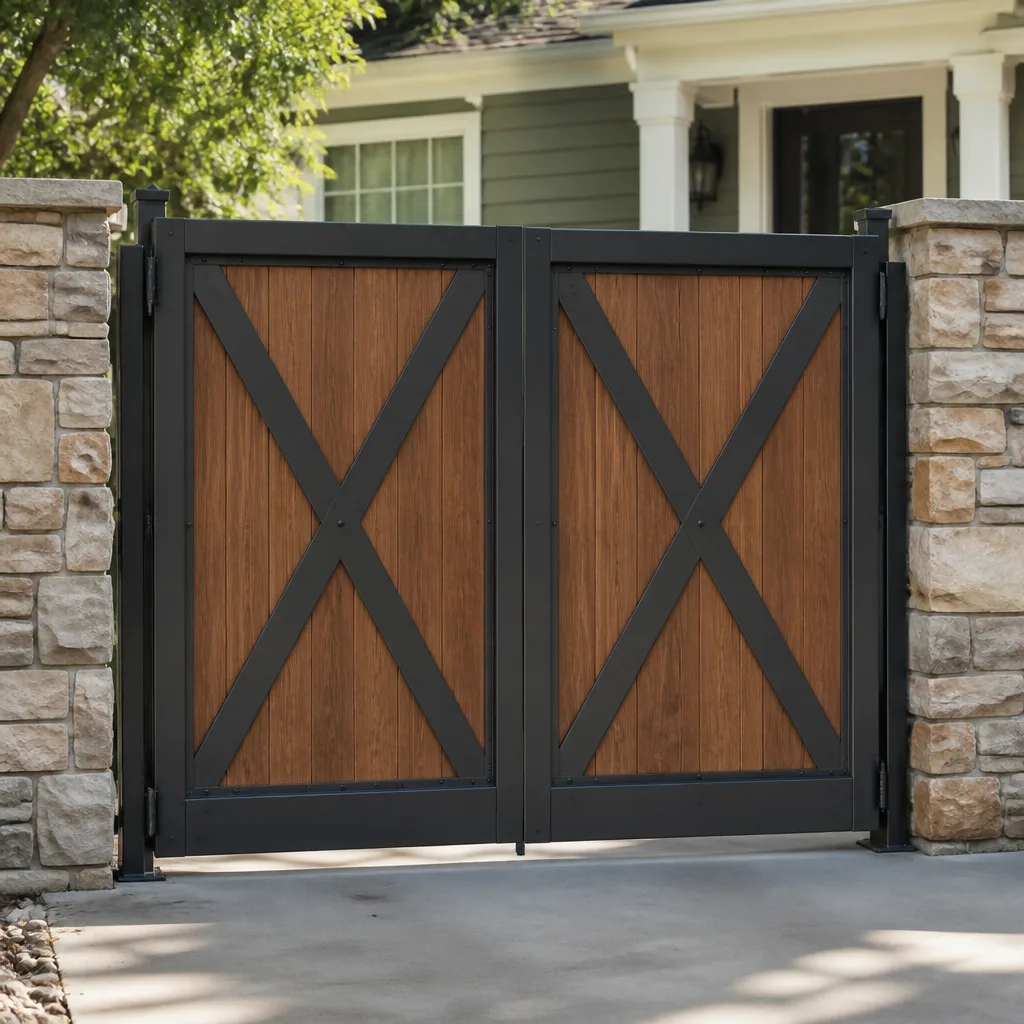 Wood & steel frame
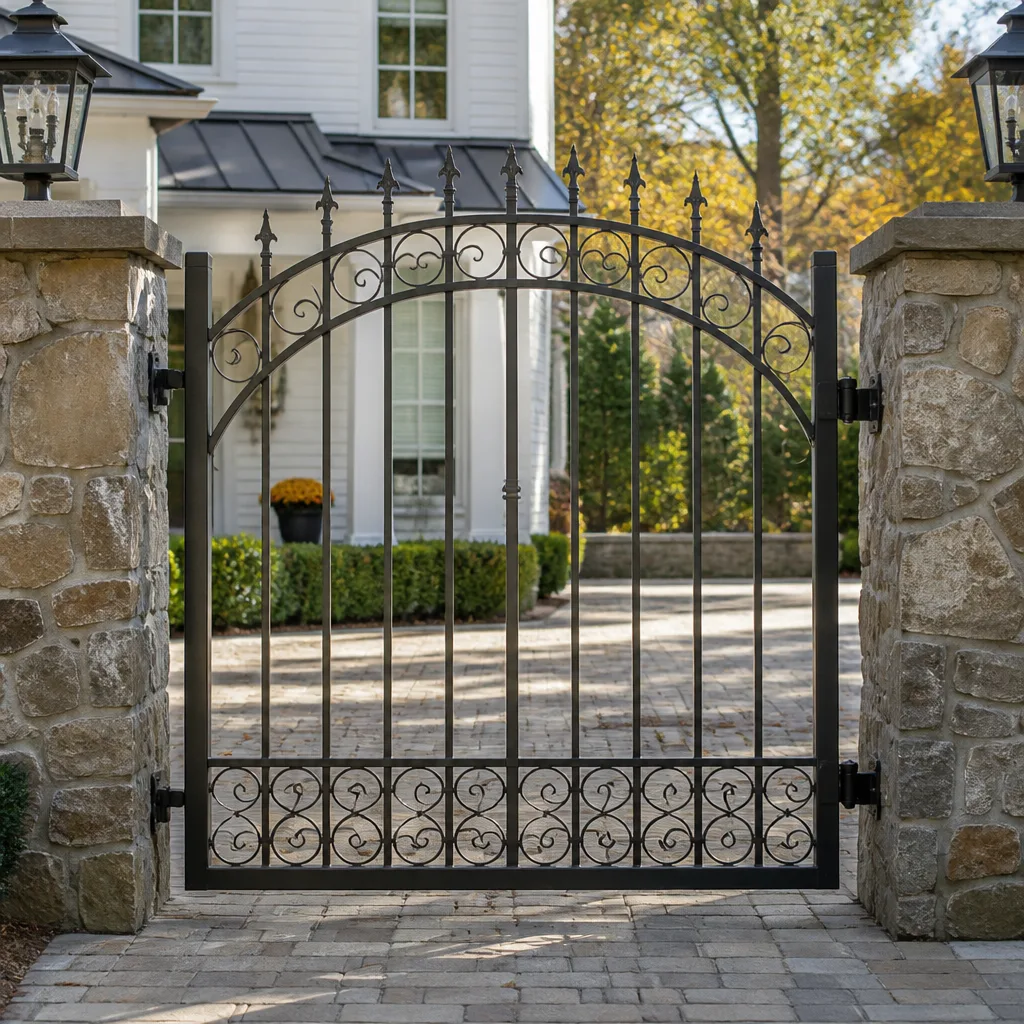 Wrought iron
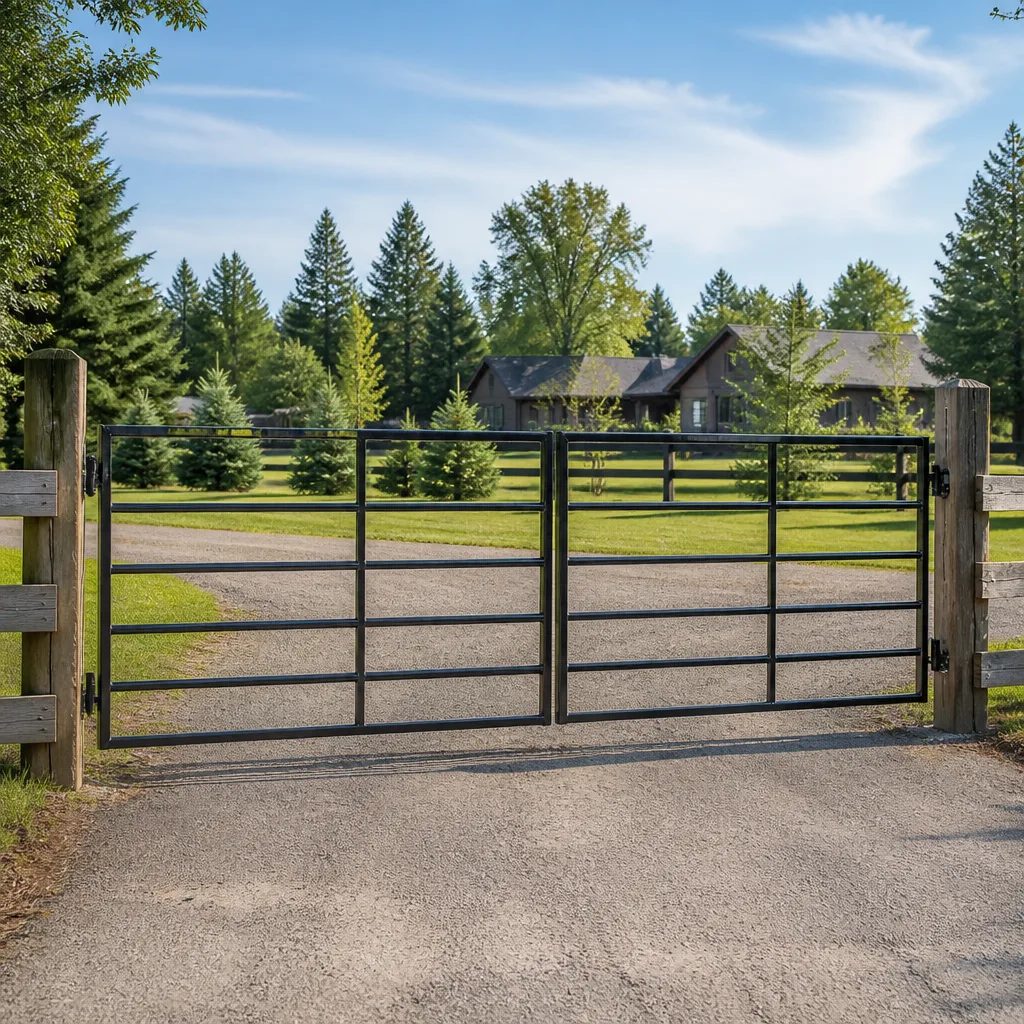 Farm & ranch
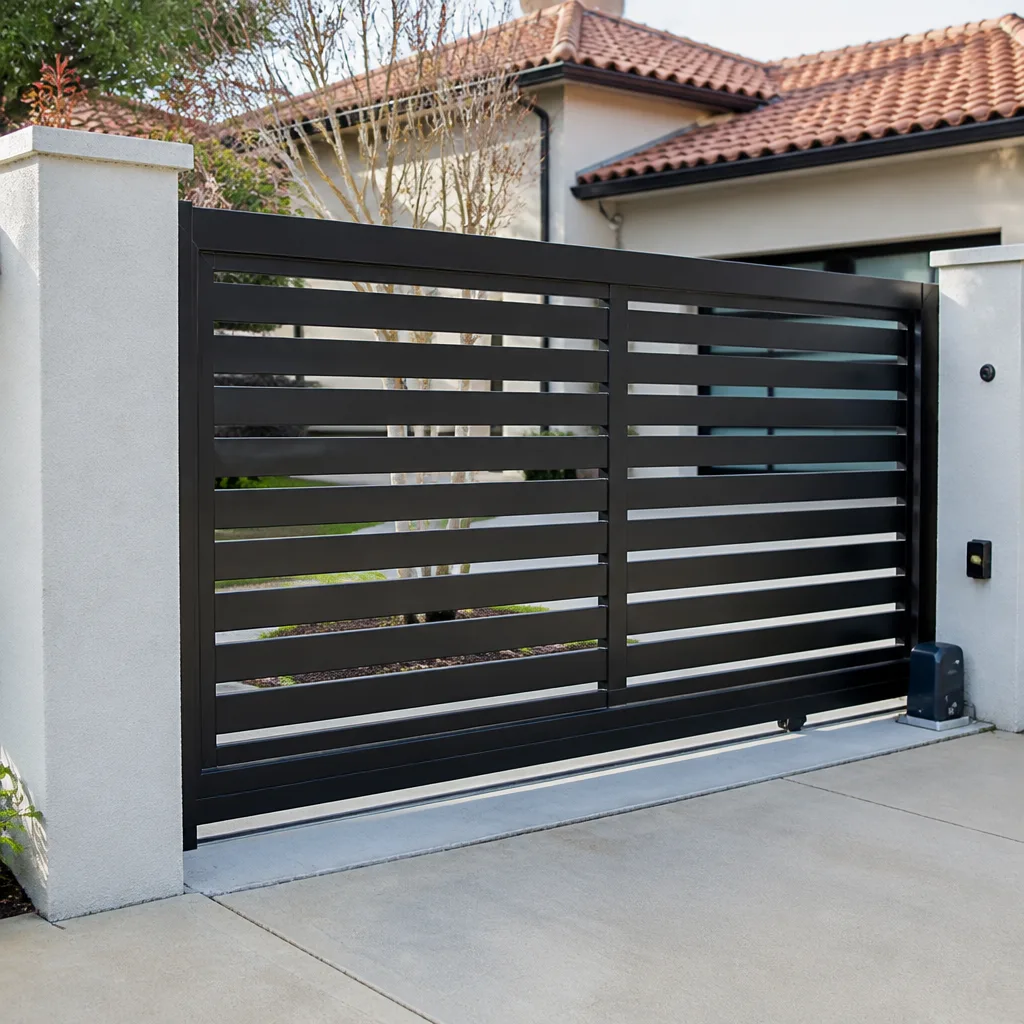 Sliding driveway gates
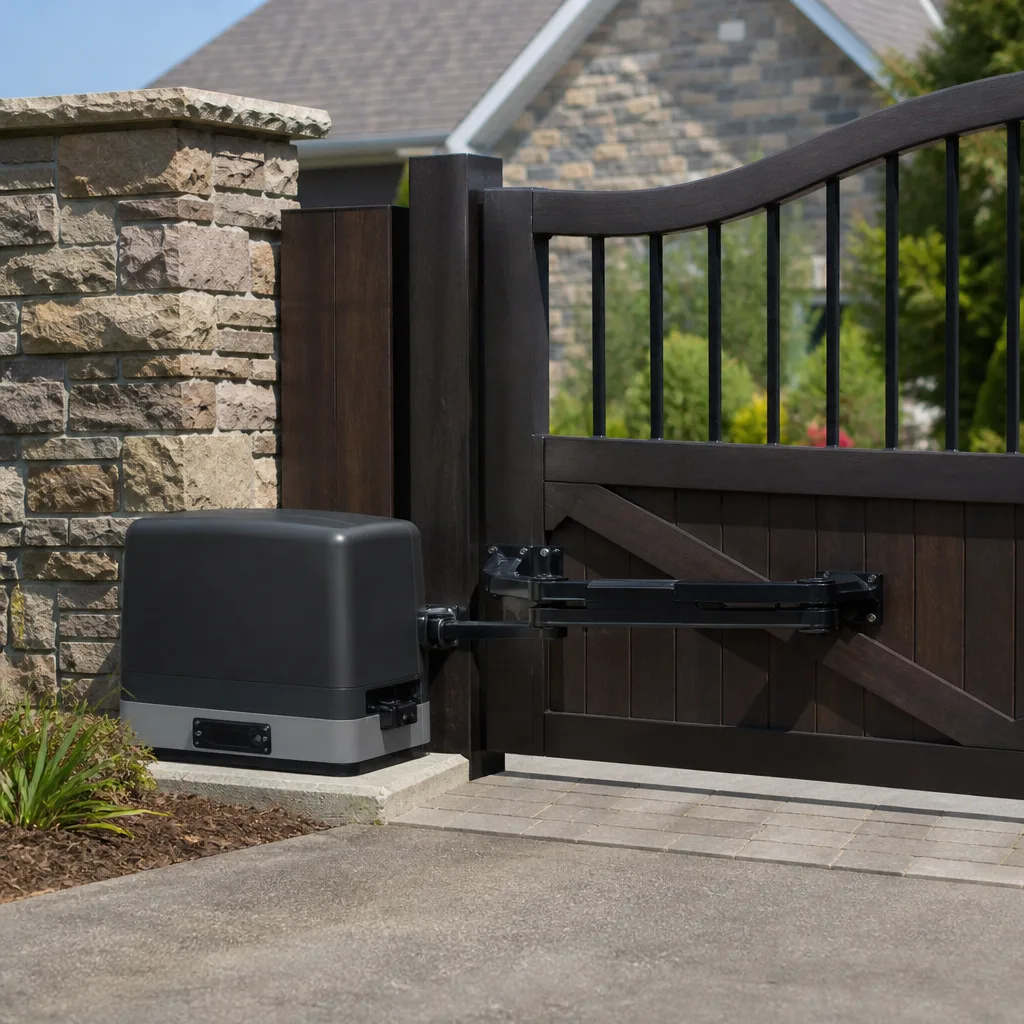 LiftMaster operators
Free on-site gate assessment - hinges, posts, and your LiftMaster or Nice gate operator checked before anything is quoted
The assessment is free and the quote is the invoice.
Get your free estimateGate Repair Permits, Codes & Inspections in Lynwood, CA: What You Need to Know
Most homeowners assume a gate repair never needs a permit, and most contractors are happy to let them keep assuming that. The truth is messier. Replacing a failed motor on an existing gate post typically flies under the radar, but the moment you sink a new post, change the swing geometry, or run a new circuit from your panel, you’re in territory where Lynwood, Los Angeles County, and your HOA may all have something to say. This guide walks through exactly where those lines sit, what inspectors actually look at, and how unpermitted work can ambush you years later at resale. We’ve worked on gates across Lynwood and seen the same confusion over and over.
Styles & brands we work with
- Wrought iron
- Wood & steel frame
- Farm & ranch
- Sliding driveway gates
- LiftMaster operators
Quick Answer
Gate repair in Lynwood generally needs no permit when you’re replacing like-for-like parts, including motors, hinges, sensors, or control boards, on an existing permitted gate structure. A permit enters the picture when you add a new gate post, alter the gate’s footprint or swing arc, install a new electrical circuit, or build a gate where none existed. Unincorporated LA County parcels follow county rules, which differ slightly from City of Lynwood requirements, and an HOA can impose its own approval process on top of both.
Table of Contents
- Who Has Jurisdiction Over Your Lynwood Gate: City, County, or HOA
- The Permit Line: Repair vs. Alteration vs. New Installation
- When an Electric Gate Operator Triggers an Electrical Permit
- UL 325 Safety Code: What Inspectors Actually Check on Automatic Gates
- How Unpermitted Gate Work Shows Up at Title and Resale
- HOA Gate Rules in Lynwood’s Planned Communities
- Step-by-Step: How to Handle a Gate Permit in Lynwood
- Common Mistakes to Avoid
- When to Call a Professional
- Frequently Asked Questions
- The Bottom Line
Who Has Jurisdiction Over Your Lynwood Gate: City, County, or HOA
Lynwood is an incorporated city, which means most addresses inside its boundaries fall under the City of Lynwood’s building and safety division for permits and inspections. But the key word there is “most.” A surprising number of Lynwood-area addresses sit on unincorporated Los Angeles County parcels, where the county, not the city, is the authority having jurisdiction. Your mailing address may still say Lynwood even when the county governs your permits. This is one of the biggest sources of confusion we run into on gate repair jobs. The contractor tells you no permit is needed because that’s true in the city, but your parcel is county, and the county has a different threshold.
Here’s the practical distinction. The City of Lynwood generally treats a gate as an accessory structure and evaluates it under the same building code framework as a fence or wall, with certain height and setback restrictions. Unincorporated LA County applies the county building code, which tends to be more prescriptive about gate posts, footings, and the hardware anchoring a gate to a wall or column. If you’re not sure which applies to you, the simplest step is to check your property tax bill or enter your address on the LA County Assessor’s parcel viewer. If your Assessor’s Identification Number starts with a county-assigned prefix and your tax bill says “unincorporated,” you are under county jurisdiction. Never take a contractor’s word for which authority applies. Verify it yourself or ask us to check before work starts.
Then there’s the third layer. Many Lynwood neighborhoods fall within planned developments with active HOAs, and an HOA’s architectural review process can be stricter than either the city or the county. An HOA cannot waive a permit that the city or county requires, but it can require design approval, specific materials, and even specific gate brands for anything visible from the street. In practice, this means a gate job can require three separate approvals: city or county, HOA, and electrical (when the gate is automated and needs a new circuit).
The Permit Line: Repair vs. Alteration vs. New Installation
Here’s the rule of thumb we use with customers in Lynwood, and it holds up well against what both the city and county actually enforce. Think of gate work in three buckets.
First, repair: replacing a broken hinge, a bent track, a failed motor, a noisy roller, or a worn sensor on an existing gate structure. In almost every case, no permit is needed, as long as you’re not changing how the gate is anchored or how it operates. Swap a LiftMaster operator for another LiftMaster operator, and no one in City of Lynwood or the county building department is going to ask about a permit.
Second, alteration: anything that changes the physical dimensions of the gate, its weight, its swing path, or its anchoring. Adding a gate post. Moving a gate post. Widening the opening. Changing a swing gate to a slide gate. Changing the materials so the gate gets significantly heavier. Enclosing an open carport entrance with a gate where one didn’t exist. This is where the permit line lands, and in our experience, most homeowners don’t realize it until an inspector or a savvy home inspector flags it.
Third, new installation: building a gate where none existed, including the footings, posts, and all the hardware. This always requires a permit in the City of Lynwood, and it always requires one in unincorporated LA County. A new gate is treated the same as a new fence or wall, with the same height limits, setback requirements, and anchoring standards.
Why does the post matter so much? Because a properly installed gate post in Lynwood’s soil conditions typically needs to go to a specific footing depth to stay plumb and resist wind load. The county inspects that footing before concrete is poured. If you pour it without an inspection, the county can require you to expose the footing or remove and redo the post. That’s a far more expensive fix than pulling a permit would have been.
For electric gate repair specifically, the line is usually simple: replacing the motor, control board, remote receiver, or photo eye is repair, not alteration, even when the new part is from a different brand. We regularly swap out a failed Mighty Mule board for a FAAC controller on an existing mounting, and neither the city nor the county considers that a permit-triggering change. The gate’s method of operation is the same, and the electrical load hasn’t changed materially.
When an Electric Gate Operator Triggers an Electrical Permit
This is the piece that catches people off guard, even contractors who should know better. The gate structure itself may be permit-exempt because you’re repairing, not altering. But the electrical work that powers the operator can trigger a separate electrical permit, and the threshold is lower than most people expect.
Here’s the distinction. If the gate operator plugs into an existing outdoor receptacle that’s already on a live circuit, and your technician is simply swapping the motor or low-voltage transformer, no electrical permit is needed. But if the installer runs a new circuit from your main electrical panel, adds a new subpanel, pulls new wire through conduit, or installs a new dedicated receptacle or junction box, that’s electrical work that requires a permit in both the City of Lynwood and unincorporated LA County.
The keypad scenario is the classic example. A customer wants a keypad or card reader at the driveway entrance. The control wiring runs from the keypad to the gate operator, and that’s low voltage, usually exempt. But if the power for that keypad or its intercom system is run from the home’s electrical panel, that power run is a new electrical circuit, and it needs an electrical permit, plus an inspector’s sign-off on the rough-in before the trench or conduit is covered. We’ve seen homeowners in Lynwood discover this only when a city inspector came out for an unrelated project and noticed the new conduit.
What does the electrical inspector check? Typically: wire size and type, conduit depth and material, weatherproofing at the junction boxes, GFCI protection where required, proper grounding of the operator chassis, and whether the dedicated circuit is correctly labeled in the panel. For gate operators, the inspector also verifies that a disconnect switch is present near the operator, so power can be cut quickly during service or an emergency.
If you’re adding power to a gate that has never been automated, you’re doing both alteration work (the operator changes how the gate is used) and electrical work. Plan for both permits. If your gate is manual today and you’re thinking about automation with a BFT or Ghost Controls operator, ask about the full permit scope before the trenching starts.
UL 325 Safety Code: What Inspectors Actually Check on Automatic Gates
Any automatic gate operator installed in the United States is supposed to comply with UL 325, the safety standard for automatic gate operators. This is not a Lynwood-specific rule, but it’s absolutely something a Lynwood or LA County inspector can check, and it’s the standard any competent gate installer should design to before the inspector ever shows up.
UL 325 exists because automatic gates can crush, entrap, or injure people, especially children, and the standard spells out the protective devices and design requirements that reduce those risks. For a residential swing gate in Lynwood, here’s what compliance typically means in practice.
- Entrapment protection: The operator must reverse or stop when it encounters an obstruction, measured by an inherent reversing mechanism or a separate entrapment sensor.
- Photo eyes or contact edges: At least one monitored external entrapment protection device, usually a photo eye or a contact safety edge, is required on automatic gates.
- Warning signage: Permanent warning signs must be installed on both sides of the gate, visible to anyone who comes near it.
- Manual release: There must be a way to manually open the gate during a power outage or emergency, accessible from outside the gate.
- Speed and force limits: The operator’s closing speed and the force it exerts must stay within the limits set by the standard for the gate’s class and use.
Inspectors in Lynwood don’t typically run a full UL 325 test at every gate inspection. But they check the obvious things: warning signage, visible photo eyes or edges, a working manual release, and a properly mounted operator with a disconnect switch. If those basics are missing, the inspection fails, and correcting them can mean reopening wiring to add a sensor or repositioning a post-mounted photo eye. For commercial slide gates, the inspector’s bar is higher, because a commercial slide gate without proper edge protection or a monitored photo eye is a serious liability.
From our side of the trade, this is one of the reasons we work only on gates. A technician who splits time between garage doors, fencing, and gates may know the mechanical side but miss the UL 325 sensor and signage details that a gate inspector will specifically check. That’s not a knock on generalists; it’s just that gate safety code is a deep specialty, and small omissions are what fail inspections.
How Unpermitted Gate Work Shows Up at Title and Resale
Nobody pulls a permit thinking they’re going to sell in three years. Then life changes, and the gate becomes someone else’s problem, and then it becomes yours again, because selling a house with unpermitted improvements is a known deal-killer in Southern California.
Here’s how it surfaces. When you list a home in Lynwood, the seller disclosure forms ask whether any improvements or additions were made without a permit. If you answer honestly and say yes, the buyer’s lender may condition financing on the work being permitted and inspected retroactively, which means the unpermitted gate has to be removed, squared away, or double-permitted before close. If you answer dishonestly and it’s discovered, you’ve opened yourself to a misrepresentation claim.
Title searches don’t always catch unpermitted gate work directly, but they can catch the fingerprints of it. A new electrical circuit that was never permitted may show up as an open permit or a code violation, especially in the City of Lynwood, where the building department maintains digital permit records. An HOA that required approval for gate changes will have its own records, and a diligent buyer’s agent may ask the HOA for the unit’s architectural history. A gate that was installed without HOA approval can trigger a notice to correct before escrow closes.
What does remediation cost? That depends entirely on the scope. If the gate was repaired like-for-like and the only issue is a missing electrical permit on a new circuit, the fix may be a few hundred dollars in permit fees and an inspection, assuming the work passes. If a new gate post was poured without a footing inspection, and the county demands the footing be exposed, you’re looking at excavation, concrete removal, re-pour, and re-inspection, plus whatever gate hardware has to come down and go back up. In our experience, the most painful resale scenarios are the new gates built wall-to-wall without any record, because the buyer’s lender can’t verify the gate meets setback and height rules, and the seller is forced to either get retro permits or remove the gate entirely.
The takeaway for Lynwood homeowners: if you’re going to build a new gate or alter an existing one, pull the permit at the start. If you inherited an unpermitted gate when you bought the house, have a gate specialist assess what’s actually there before you list. Sometimes the fix is a paperwork path, not a rebuild.
HOA Gate Rules in Lynwood’s Planned Communities
Lynwood’s housing stock includes a mix of single-family homes, older duplexes, and planned communities and townhome developments where an HOA holds architectural authority. If you live in one of those communities, your gate is not entirely your own. The HOA’s CC&Rs govern what you can build, how it must look, and sometimes which product families are acceptable.
Here’s what we tell Lynwood customers when an HOA is in play. First, read your CC&Rs or ask the management company for the architectural review process before you sign a contract. HOAs in Lynwood commonly require an architectural application with drawings, product specifications, and sometimes photos of comparable gates in the community. Approval times run anywhere from a few weeks to a couple of months, and starting work without approval is the number one way to get a stop-work notice and a demand to remove the gate.
Second, understand what the HOA cares about. Height and setback usually mirror city or county rules, but visual standards go further: gate color, material, whether it’s solid or open picket, how it aligns with the fence line, and whether the operator housing is visible from the street. Some HOAs restrict brands or styles to keep a uniform look, and a few specify that any automated gate must have a particular safety edge color or warning sign style. If the HOA requires a specific operator brand and that brand isn’t one we commonly service, we’ll tell you up front and talk through the options.
Third, know that the HOA approval does not replace a city or county permit, and the permit does not fulfill the HOA’s process. They are separate tracks. You can have a fully permitted gate that violates an HOA rule, and the HOA can still force you to modify it. Conversely, an HOA can approve a design that the city rejects on setback grounds. The clean path is both approvals in hand before any excavation starts.
For rental owners and Lynwood property managers, the HOA layer adds an extra step of communication, because a tenant may report a gate problem to you, and the repair may be fine, but the replacement, if it changes the appearance, needs HOA sign-off first. We handle repair calls directly, and we’ll flag it when a fix becomes an alteration that triggers the HOA.
Step-by-Step: How to Handle a Gate Permit in Lynwood
If you’ve determined that your gate project needs a permit, here’s the sequence that keeps things moving without surprises. This applies whether you’re under the City of Lynwood or unincorporated LA County, though the office you file with differs.
- Confirm your jurisdiction. Check your property tax bill or the LA County Assessor’s parcel viewer. If you’re city, you work with the Lynwood building department. If unincorporated, you work with LA County Building and Safety.
- Determine the permit type. A new gate or an alteration is a building permit. If you’re adding a circuit, a subpanel, or new conduit, that’s an electrical permit, and your gate contractor or a licensed electrician files it separately.
- Prepare the submittal package. Most Lynwood gate permits need a site plan showing the gate’s location, dimensions, and setback from property lines, plus product specifications for the gate and operator. For automated gates, include the operator’s UL 325 compliance documentation.
- File and pay the plan check fee. The city or county reviews the submittal, usually within a couple of weeks for a simple gate, and either issues the permit or returns comments asking for revisions.
- Schedule the first inspection. For new footings or posts, the inspector usually needs to see the excavation before concrete is poured. Call for inspection at least a day ahead. If footing depth and placement are wrong, fix them before the pour, not after.
- Complete the work and schedule the final inspection. The inspector checks the finished gate, the operator installation, the safety devices, the warning signs, and the electrical work if applicable. If anything fails, the inspector lists corrections, and you reschedule.
- Close out the permit. Once the final inspection passes, keep the permit documents with your property records. You’ll want them at resale.
One practical note from the field: the inspection calendar in Lynwood and the county can be tight, so call for your rough inspection as soon as the excavation or trench is open. Waiting until the last minute means the concrete gets poured without an inspection, and then you’re either exposing the footing or living with an open permit that becomes a resale problem.
Common Mistakes to Avoid
- Assuming all gate work is permit-free. Most repairs are, but any new post, footing, or circuit isn’t. The most expensive permit mistakes are the ones where someone assumed and was wrong.
- Trusting a contractor’s word on jurisdiction without checking your parcel. We’ve met Lynwood homeowners whose contractor said “city rules” when the property was unincorporated county. The contractor’s mistake becomes the homeowner’s permit problem.
- Pouring the gate post footing before the inspection. In Lynwood’s soil, a post needs proper depth and concrete. Pouring before the inspector sees the hole invites a tear-out order that costs more than the permit would have.
- Skipping the electrical permit on a new operator circuit. Wiring a keypad or operator from the panel is electrical work. Skipping it leaves an open code item that surfaces at the worst possible time.
- Ignoring the HOA’s architectural review because the city permit was approved. These are separate approvals. An HOA can force changes even after a city inspection passes.
- Buying an operator online and installing it without UL 325 safety devices. A cheap no-name operator with no photo eye or contact edge may technically run, but it won’t pass an inspection, and it’s a liability if anyone is injured.
- Replacing a failed operator with a different brand and assuming it’s covered. The repair itself is typically fine, but if the new operator changes the power draw or mounting and you’ve introduced a new circuit in the process, the electrical permit question is back on the table.
When to Call a Professional
Permit paperwork is one thing. Knowing whether your specific gate project triggers it is another, and that’s where a gate-only specialist saves you time. If you’re unsure whether your repair is truly a repair, or whether that keypad power run needs an electrical permit, have a technician look at the gate and the existing wiring before you start. We handle gate work exclusively, which means when we assess your situation in Lynwood, we’re looking at the post, the footings, the operator, the sensors, and the wiring as one connected system. We’ll tell you what’s repair and what’s alteration, and we’ll be direct about whether a permit is required. If you’re planning a new gate or automating an existing one, Gate Repair Lynwood offers free estimates in Lynwood. Call (855) 360-4375. We answer 24/7, and our dispatch runs from 7am to 7pm, Sunday through Friday.
Frequently Asked Questions
In most cases, no. Replacing a failed motor, hinge, roller, sensor, or control board on an existing gate structure is considered repair work and does not require a permit in the City of Lynwood or unincorporated LA County, as long as you’re not changing the gate’s anchoring, footprint, or method of operation.
The motor itself usually does not, if the operator uses an existing power source and the gate structure isn’t altered. But if the installation requires a new circuit from the electrical panel, new conduit, or a new subpanel, that electrical work needs its own permit. Call (855) 360-4375 and we can help you sort out which applies.
UL 325 is the national safety standard for automatic gate operators, covering entrapment protection, warning signage, manual release, and operator force limits. Lynwood and LA County inspectors check automatic gates for visible compliance with UL 325 basics, including photo eyes or contact edges, warning signs, and a working manual release.
Yes. In Lynwood’s planned communities, an HOA’s architectural review is a separate approval from a city or county building permit. The HOA can impose design, material, and brand restrictions, and it can force modifications to a gate that already passed a city inspection if the gate violates the community’s CC&Rs.
Most commonly through seller disclosures, open permit records at the city or county, or HOA architectural records. A buyer’s home inspector may also flag a gate that lacks grounding, safety devices, or proper anchoring, which sends the buyer back to ask whether the work was ever permitted.
We handle the gate side of the work, and we help you understand what’s needed before the project starts. For electrical permits, the filing is done through a licensed electrician on the project. We’ll work with them so the gate and the power are coordinated, and so the inspector sees a complete, compliant installation. Call (855) 360-4375 for a free estimate.
The Bottom Line
Gate permits in Lynwood hinge on three distinctions: repair versus alteration, existing circuit versus new circuit, and city versus county jurisdiction. Routine repairs and operator swaps on existing gates are almost always permit-free, but new posts, new footings, changed swing arcs, and new electrical runs put you squarely in permit territory. UL 325 safety compliance matters on every automated gate, and an HOA can impose its own rules regardless of what the city or county allows. The best move is to verify your jurisdiction early, pull the right permit when the work crosses the line, and keep the paperwork for resale. For most gate jobs, that’s an hour of legwork that saves thousands later.
Written by the team at Gate Repair Lynwood, serving Lynwood since 2011.
See the difference
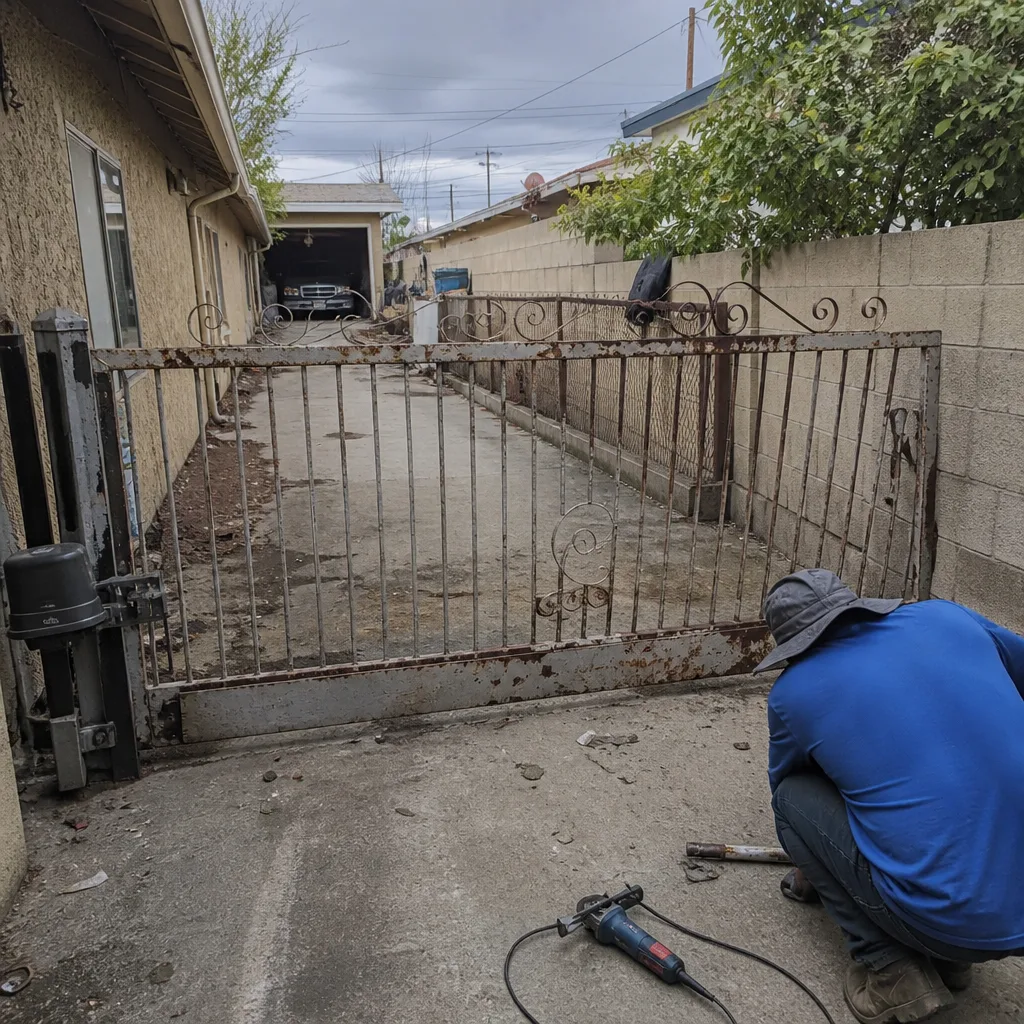 Before
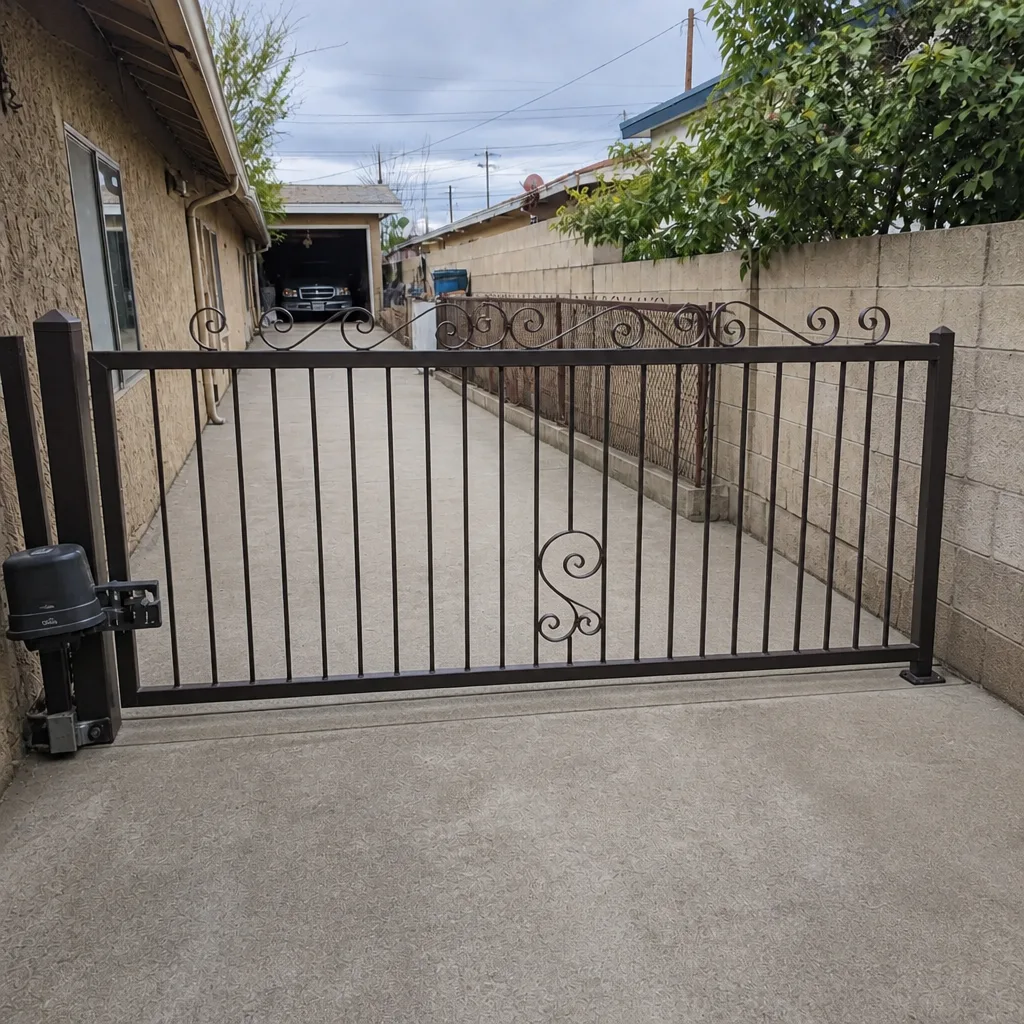 After
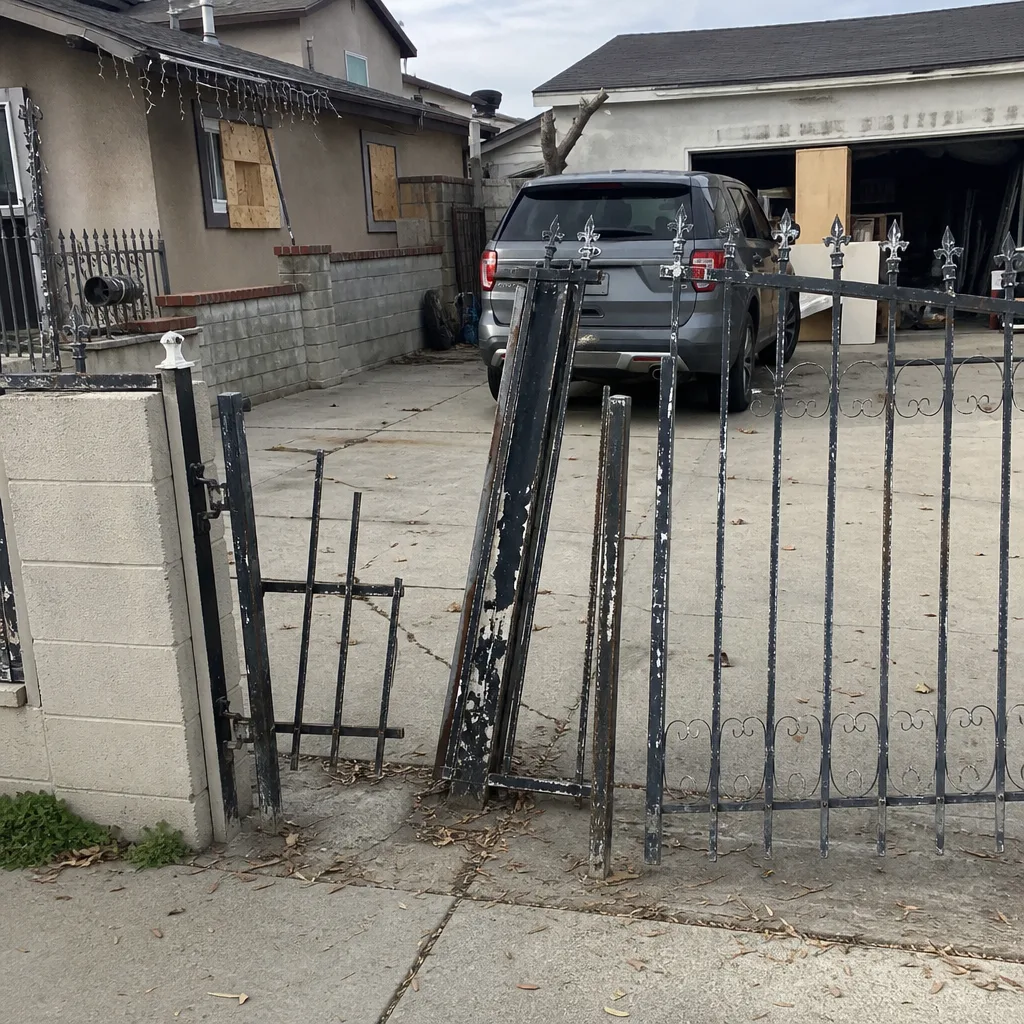 Before
 After
 Before
 After