
Last updated November 4, 2026
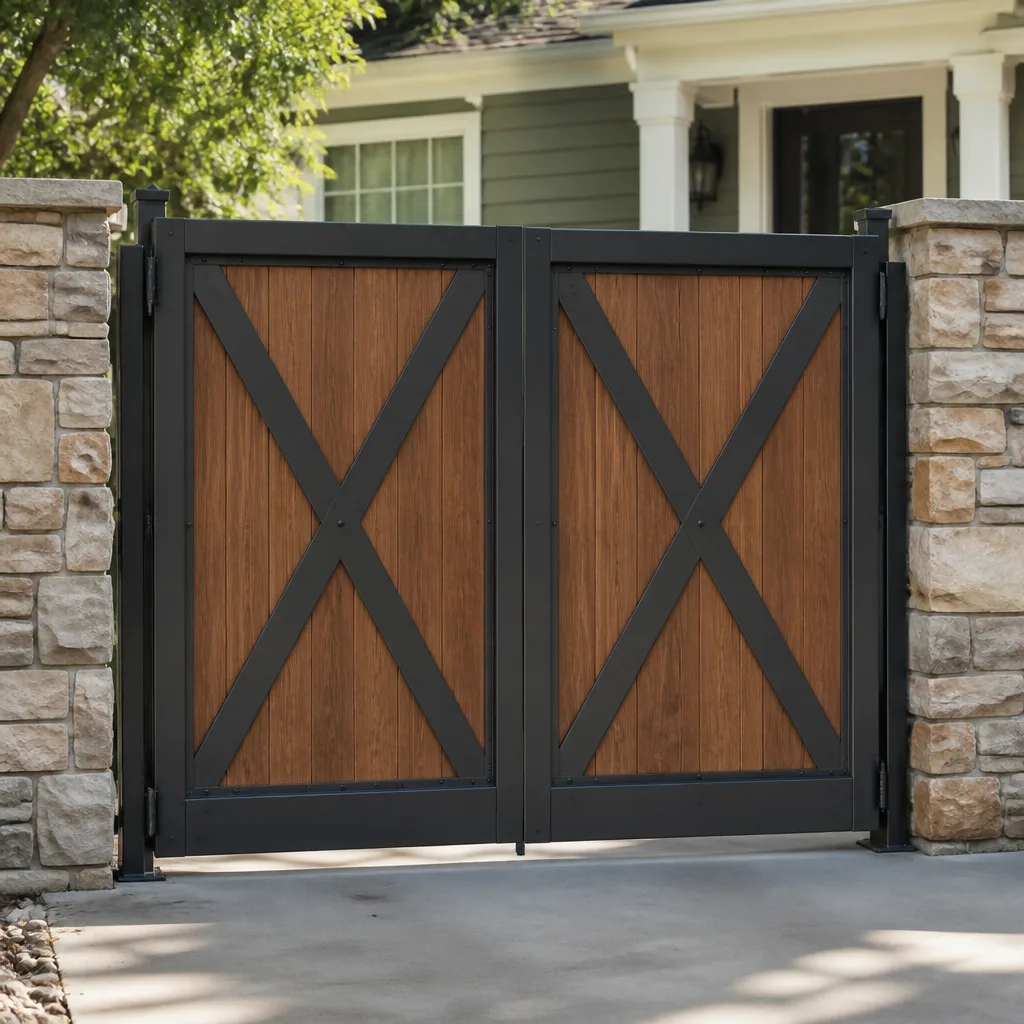 Wood & steel frame
 Wrought iron
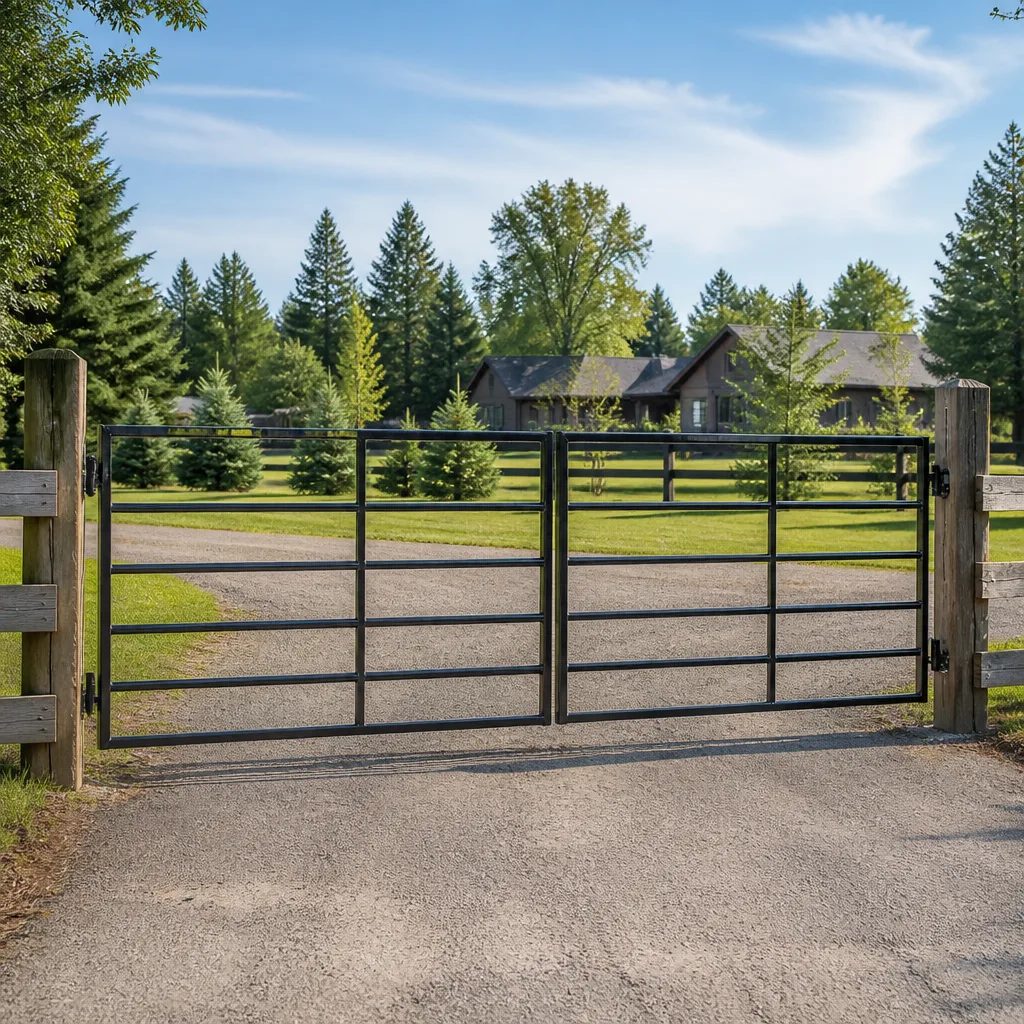 Farm & ranch
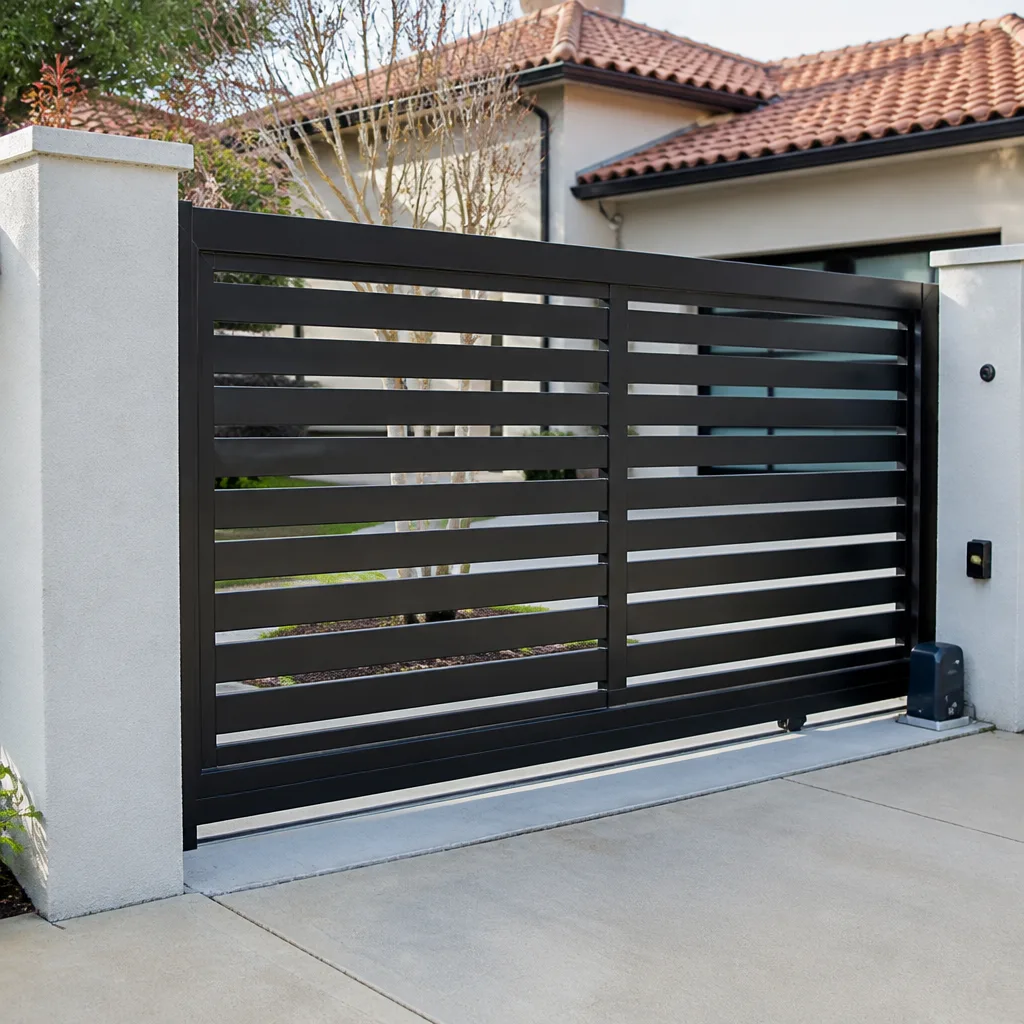 Sliding driveway gates
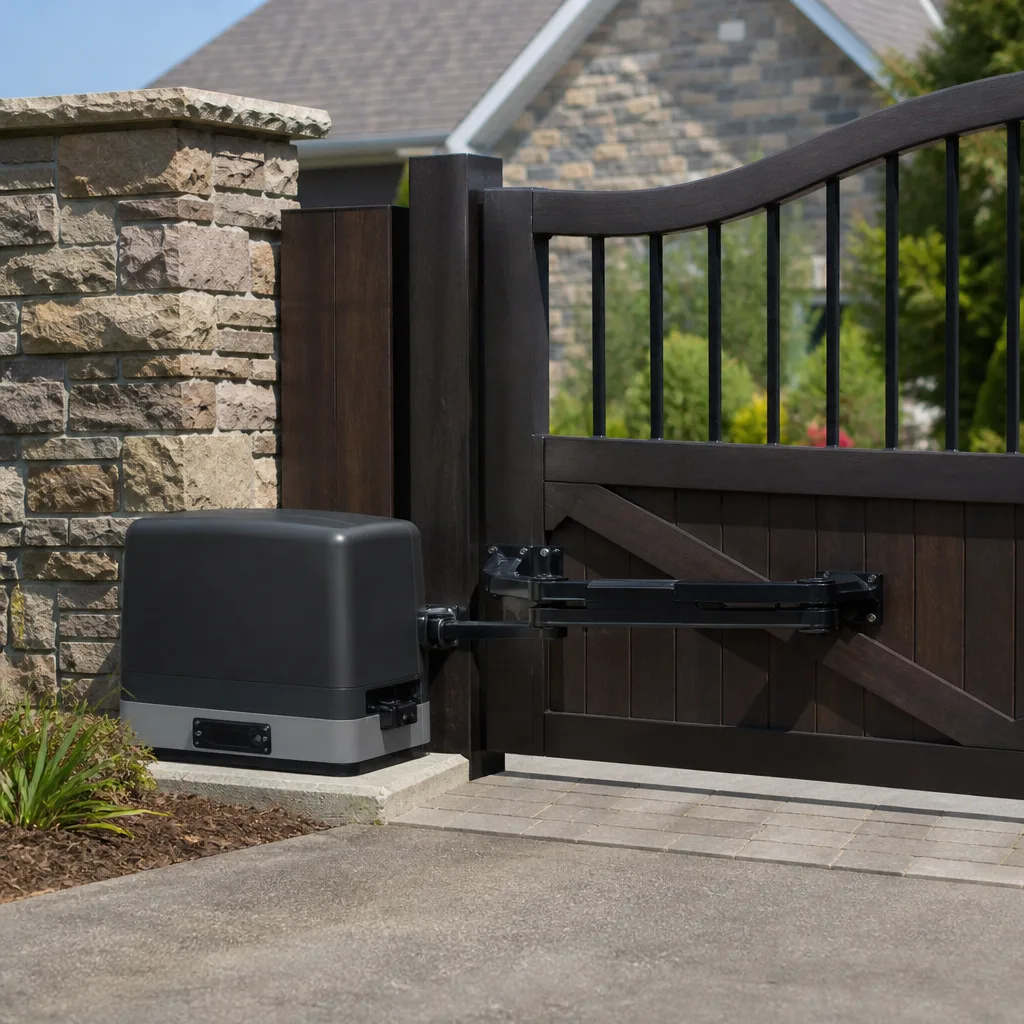 LiftMaster operators
Free on-site gate assessment - hinges, posts, and your LiftMaster or Nice gate operator checked before anything is quoted
The assessment is free and the quote is the invoice.
Get your free estimateGate Repair Warning Signs: A Lynwood Homeowner’s Reference Guide
Most Lynwood homeowners think gate failure strikes suddenly. It rarely does. A gate almost always announces its decline weeks or even months in advance, through sounds, hesitations, and small visual changes that get dismissed as quirks. The gate that refuses to open on a Tuesday morning usually started grinding on a Sunday afternoon three weeks earlier. This guide translates those early signals into their mechanical meaning, so you can address a $180 hinge issue before it becomes a $600 motor replacement. We wrote it from years of working exclusively on gate systems across Lynwood, from residential driveway swings to commercial slide operators.
Quick Answer
A gate that grinds, clicks, hums without moving, hesitates before responding, or reverses mid-cycle is communicating a specific mechanical or electrical problem, not a personality flaw. Most of these warnings point to worn hinges, obstructed tracks, failing capacitors, or control board faults. In Lynwood, where gates run daily in dry heat and occasional heavy rain, early intervention is the single most effective way to avoid a full motor replacement.
Styles & brands we work with
- Wrought iron
- Wood & steel frame
- Farm & ranch
- Sliding driveway gates
- LiftMaster operators
Table of Contents
- Sound-to-Problem Translation: What Your Gate Is Telling You
- Behavioral Warning Signs in Electric Gates
- Visual Inspection Points Any Homeowner Can Check
- Gate Problem or Control System Problem: Why the Distinction Matters
- The Slow Gate Warning Sign Lynwood Homeowners Dismiss
- How Lynwood’s Climate and Properties Affect Gate Wear
- Common Mistakes to Avoid
- When to Call a Professional
Sound-to-Problem Translation: What Your Gate Is Telling You
Gates speak in a limited vocabulary. Once you know the four core sounds, you can date a problem by ear. Here is the translation guide we use on every service call in Lynwood.
Grinding or metal-on-metal scraping
Grinding means metal is contacting metal where it should not. On a swing gate, this is almost always hinge wear. The gate leaf drops a fraction of an inch as hinge pins wear, and the bottom edge begins dragging on the driveway or the latch post begins scraping. On a slide gate, grinding points to debris packed into the track, worn rollers, or a drive chain that has lost tension and is skipping teeth. The correction is mechanical, not electrical. If you catch grinding early, the fix is often a hinge adjustment or track cleaning. Ignore it, and the motor works harder every cycle until it overheats.
Clicking with no movement
A click with no movement is the sound of electricity reaching a component that cannot complete its job. On electric gate operators from brands like Linear or Viking, the click usually comes from the starter relay or capacitor. The motor is being told to start, but it lacks the current to turn over, or a safety circuit is interrupting the command. This is an electrical diagnosis, not a lubrication issue. Shut the system down at the breaker and call a technician. Repeatedly pressing the remote while the operator clicks will burn out the control board.
Humming without motion
A loud hum with no gate movement means the motor is energized but mechanically stalled. On residential systems like Ghost Controls or Mighty Mule, the most common cause is a failed start capacitor, which gives the motor its initial torque. Without that capacitor, the motor sits there and vibrates. On heavier slide gates, a hum can mean the gate has jumped its track and the motor is pushing against a locked wheel. Either way, the system is drawing high amperage and should be powered off until it is inspected. A humming motor left energized can destroy its own windings in under an hour.
Silence
Silence after pressing the remote is the hardest sound to diagnose because it rules nothing out. It can be as simple as a dead remote battery or a tripped GFCI outlet. It can also be a failed transformer, a blown control board fuse, or a safety sensor that has lost alignment and is telling the system to stay put. Before calling, check the outlet the operator is plugged into and the batteries in every remote. If power is confirmed and the gate still does not respond, the problem is inside the control box.
Lynwood’s dry climate keeps corrosion from being a major audio factor, but the fine dust that blows through the area settles into operator housings and can accelerate wear on contactors and relays. A gate that clicks more loudly than it did six months ago is not getting better on its own.
Behavioral Warning Signs in Electric Gates
Sounds are half the story. The other half is behavior. Electric gate systems fail progressively, and the earliest warnings show up as small changes in how the gate responds. Any one of these behaviors on its own is worth investigating. Two or more together usually means the system is days or weeks from failure.
- Intermittent response. You press the remote and nothing happens. You press it again and the gate opens normally. Intermittent operation in Lynwood is most often a remote range issue, a failing receiver board, or a loose connection at the operator terminal strip. It is rarely the motor itself at this stage, which is good news: the fix is usually less expensive than a mechanical repair.
- Reversal mid-cycle. The gate starts opening or closing, then reverses direction for no reason. On systems with safety edges or photocells, this means a sensor is being triggered falsely. Dust on a photocell lens, a safety edge that has hardened and cracked, or a misaligned sensor arm can all produce false reversal signals. On systems without safety sensors, mid-cycle reversal points to a limit switch that has drifted out of adjustment.
- Remote range degradation. You now have to be standing ten feet from the gate for the remote to work, where it used to work from the driveway approach. This is usually a receiver antenna issue, a weakening remote battery, or interference from a new device nearby. On commercial DoorKing systems, it can also indicate a receiver board that is losing sensitivity. It is a lower-priority warning than grinding or humming, but in our experience it appears early and homeowners ignore it until the remote stops working entirely.
- The gate stops at the wrong position. A gate that used to close flush with the post now stops two inches short, or a slide gate that used to seat fully now leaves a gap. This is a limit switch problem. The limit switch tells the motor where to stop. When it drifts or fails, the gate stops wherever it stops. Leaving a gate slightly open is not just inconvenient; it changes the load geometry the motor was sized for, and that accelerates wear.
For a deeper look at the electrical side of these symptoms, our guide to electric gate repair walks through motor, board, and sensor diagnosis in more detail.
Visual Inspection Points Any Homeowner Can Check
You do not need to be a technician to read the physical condition of a gate. Five visual checks take less than ten minutes and catch most problems before they become emergencies. Here is what we teach Lynwood homeowners to look at, in order of priority.
1. Hinge welds and hinge pins
Walk to each hinge and look for hairline cracks at the weld joint where the hinge block meets the post or the gate frame. A crack that is visible today was invisible three months ago. It grows with every open and close cycle. On a swing gate, hinge failure is the single most common mechanical breakdown. A gate that drops off its hinges cannot be re-hung safely; it has to be lifted, realigned, and re-welded.
2. Post lean
Step back twenty feet and sight down the gate post. A post that leans even two degrees changes the gate’s swing geometry and places uneven load on the hinges. In Lynwood, post lean often comes from soil movement after heavy rain, especially in areas with clay-heavy ground that swells and contracts. A leaning post is a structural issue, not a gate issue, but it will destroy the gate over time if not corrected.
3. Track debris on slide gates
For slide gates, clear debris from the track once a month. Lynwood’s dry season sends fine grit into every track groove, and that grit acts as sandpaper on the rollers. Run a gloved hand along the track and feel for pebbles, packed dirt, or bent sections. A slide gate that jumps its track rarely involves just lifting it back on; the rollers, the guide brackets, and sometimes the drive chain all need to be inspected afterward.
4. Safety edge condition
The rubber safety edge along the leading edge of a gate is a wear item. It cracks with age and UV exposure. Lynwood gets enough sun that safety edges on south- and west-facing gates harden faster than shaded ones. Press along the edge with your thumb every few months. If it is stiff or cracked, it is no longer sending a compression signal reliably, which means the system will either false-trip or fail to stop when it should.
5. Operator housing and wiring
Open the operator cover and look at the wiring. You are not troubleshooting; you are checking for obvious problems: chewed insulation, loose terminal screws, ant or spider activity, and dust buildup. If the inside of the housing is dusty, blow it out gently with compressed air. Dust on a circuit board traps heat, and heat kills electronics faster than anything else in a Lynwood summer.
Gate Problem or Control System Problem: Why the Distinction Matters
The same symptom can have two very different causes, and the repair cost differs by an order of magnitude. A gate that will not open might need a $90 limit switch or a $700 motor. A gate that moves slowly might need a hinge adjustment or a new control board. Knowing which category you are in changes who you call, what you expect to pay, and how long the repair takes.
A gate problem is mechanical. It involves the physical structure: hinges, track, wheels, posts, chain, gate frame. Mechanical problems make noise (grinding, scraping, banging) and are usually visible if you know where to look. A control system problem is electrical. It involves the operator: motor, capacitor, control board, sensors, remote receiver, wiring. Electrical problems are often silent and invisible, and they require a multimeter and wiring knowledge to diagnose.
The overlap is where homeowners get misled. A gate that moves slowly can be a mechanical obstruction forcing the motor to work harder, or it can be a failing capacitor reducing motor torque. A gate that reverses mid-cycle can be a dirty sensor (electrical) or a gate leaf that has dropped out of alignment and is physically hitting the ground (mechanical). The difference matters because treating an electrical problem with mechanical work doesn’t fix anything, and vice versa.
On systems like Viking and DoorKing, the control board is the brain and the motor is the muscle. Both are replaceable independently. A competent diagnosis identifies which one failed and why. That is the distinction between gate-specific technicians and general handymen: we work from the motor to the control board and we know what each failure mode looks like before we open the housing.
The Slow Gate Warning Sign Lynwood Homeowners Dismiss
The most common early warning we see in Lynwood is not a noise. It is a change in speed. A gate that takes two seconds longer to open than it did six months ago is not “a little slow.” It is a motor drawing excess amperage to overcome resistance. The resistance may be a hinge that is binding, a track that is packed with debris, or a capacitor that is losing its ability to deliver starting torque. The motor compensates by working harder, and motors that work harder run hotter, and motors that run hot fail early.
Here is the progression we see repeatedly:
- The gate slows down slightly. The homeowner notices but does nothing.
- The gate begins to hesitate at the start of its cycle, just for a beat.
- The gate hesitates longer and sometimes needs a second remote press to start.
- The motor hums, then starts, then stops. The gate now moves in jerks.
- The motor no longer starts at all. The control board may also be damaged from repeated overcurrent.
Stages one through four can stretch over weeks or months. Stage five is where the repair cost jumps from a hinge adjustment or capacitor replacement to a full motor swap. A gate that hesitates today is telling you something specific. It is not being temperamental.
Lynwood’s climate contributes to this pattern. Long dry periods let dust accumulate in operator housings and on moving parts. Then a heavy rain turns that dust into a kind of gritty paste that increases friction exactly when the gate is trying to move. The slow-gate warning often appears in the week after a storm, as homeowners notice the gate laboring through its cycle. That laboring is friction, and friction is heat, and heat is the enemy of electric motors.
How Lynwood’s Climate and Properties Affect Gate Wear
Gates in Lynwood wear differently than gates in coastal or mountain communities. The local conditions shape which parts fail first and how quickly. Understanding those conditions helps you know what to watch for.
Dry heat. Summer temperatures in Lynwood regularly hit the high 90s and can push past 100 degrees. Operator housings in direct sun absorb that heat, and internal temperatures climb well above ambient. Capacitors are the first component to suffer. The electrolytic material inside a capacitor degrades faster in sustained heat, which is why capacitor failure is a common repair on gates positioned with southern or western exposure. If your gate operator sits in afternoon sun, expect capacitor issues before they appear on a shaded gate across the street.
Dust. Lynwood’s dry season leaves fine particulate matter in the air, and it settles everywhere, including inside operator housings. Dust on a control board traps heat and can bridge connections on tightly spaced circuitry. Dust on a slide gate track acts as an abrasive. Monthly track cleaning is not optional here; it is the difference between replacing rollers every few years and replacing them every decade.
Rain events. When rain does come, it often comes hard. Clay-heavy soils in parts of Lynwood expand when wet, which can shift gate posts slightly. A post that moves a quarter inch changes the gate’s swing arc and puts the hinges under load they were not set for. After any significant rain, walk your gate and watch for signs of post movement: new gaps at the latch, scraping at the bottom edge, or a gate that sticks at a point in its travel where it used to move freely.
Property types. Lynwood has a mix of older single-family homes with manual swing gates, newer homes with electric driveway gates, and commercial properties with slide gates and barrier arms. The warning signs differ by system type. A manual gate gives you sound and visual cues only. An electric gate adds behavioral cues. A slide gate adds track and roller maintenance. Knowing which category your system falls into tells you which section of this guide to prioritize.
Common Mistakes to Avoid
- Dismissing the slow-gate warning. A gate that moves slower than it used to is telling you something mechanical or electrical is deteriorating. Waiting until it stops completely not only locks you out but often costs several times as much in motor or board replacement.
- Lubricating the track on a slide gate. Slide gate tracks are designed to run dry. Adding grease or oil to the track turns Lynwood’s dust into an abrasive slurry that wears rollers faster, not slower.
- Repeatedly pressing the remote when the gate does not respond. If the gate is not moving, each press still sends a start command to the control board. Enough repeated commands can overheat the board or the motor, and now you have two repairs instead of one.
- Ignoring visible weld cracks. A hairline crack at a hinge weld does not seal itself. It grows with every cycle. By the time the gate drops, the repair is no longer a simple re-weld; the gate often needs realignment and the post re-inspection too.
- Replacing a remote battery and assuming the remote is fine. If the battery is fresh and the range is still poor, the problem is in the receiver or the antenna, not the remote. Replacing the remote without checking the receiver just moves the problem to a new device.
- Powering the operator on and off repeatedly. Cycling power may temporarily reset a control board fault, but it does not fix the underlying cause. Each power cycle can actually stress capacitors and relays. If the gate comes back after a power cycle, the problem is still there.
- Skipping the visual inspection because the gate “works fine.” Working fine today and failing next month are not contradictory. Most of the gates we repair in Lynwood showed warning signs for weeks before they stopped. The homeowner just did not know what they were looking at.
When to Call a Professional
Some problems you can watch and manage. Others need a technician. Call a gate specialist when the gate grinds against metal, hums without moving, clicks repeatedly with no response, or reverses mid-cycle with no visible obstruction. Call when you see weld cracks, post lean, or a track that has been jumped by a slide gate. Call when remote range drops sharply even with fresh batteries. And call if the gate has slowed noticeably over any period of time, because that slowdown is progressive and will not self-correct.
Gate Repair Lynwood offers free estimates in Lynwood. If you have noticed any of the warning signs in this guide, call (855) 360-4375. We answer 24/7. Fast dispatch from 7am to 7pm, Sunday through Friday. We work exclusively on gate systems, from the motor to the control board, and we service the brands you already have on your property.
See the difference
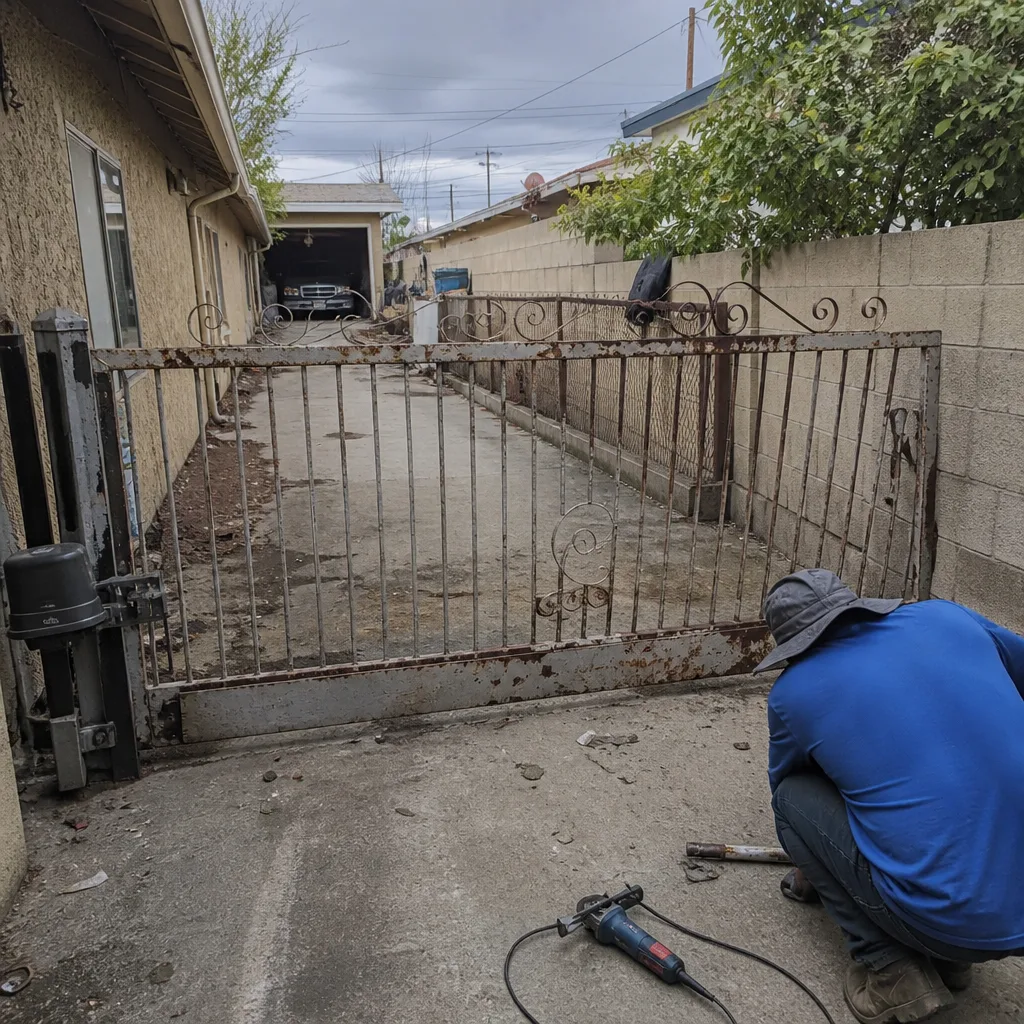 Before
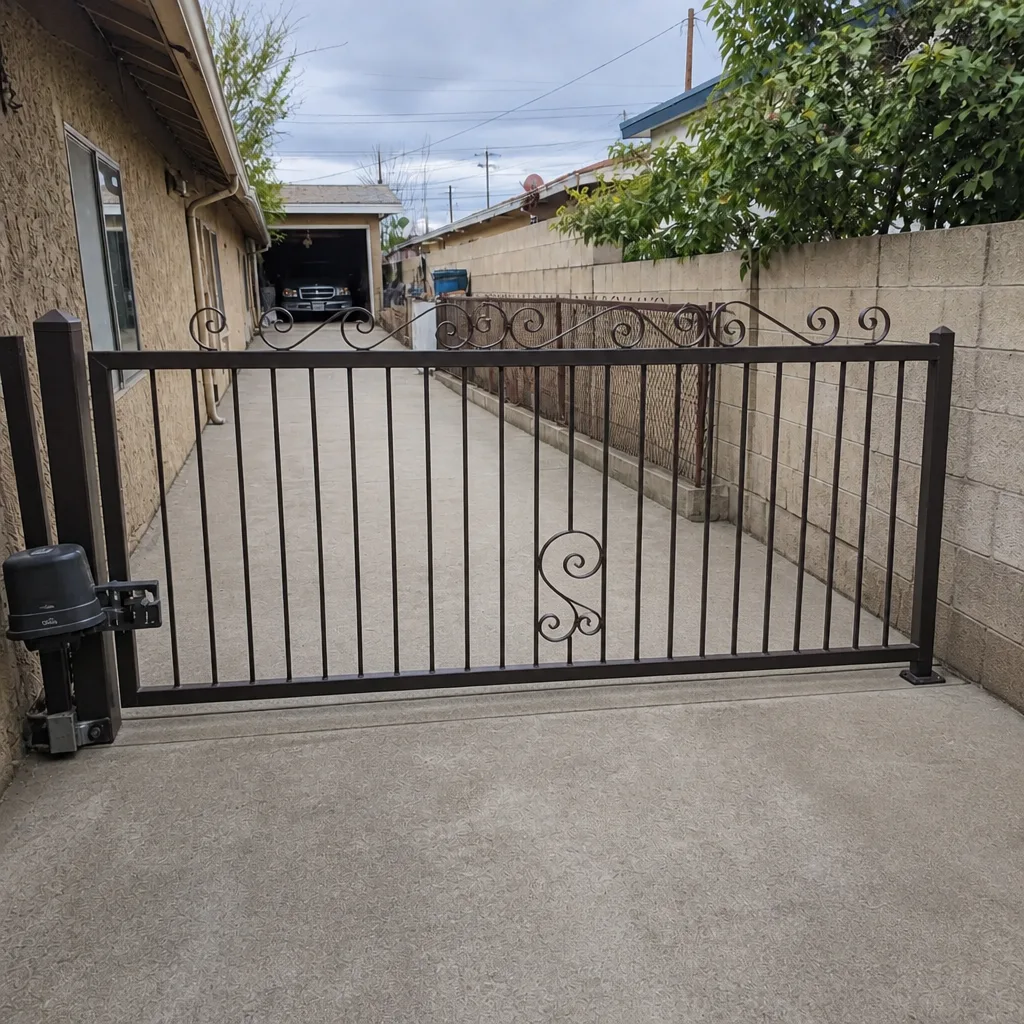 After
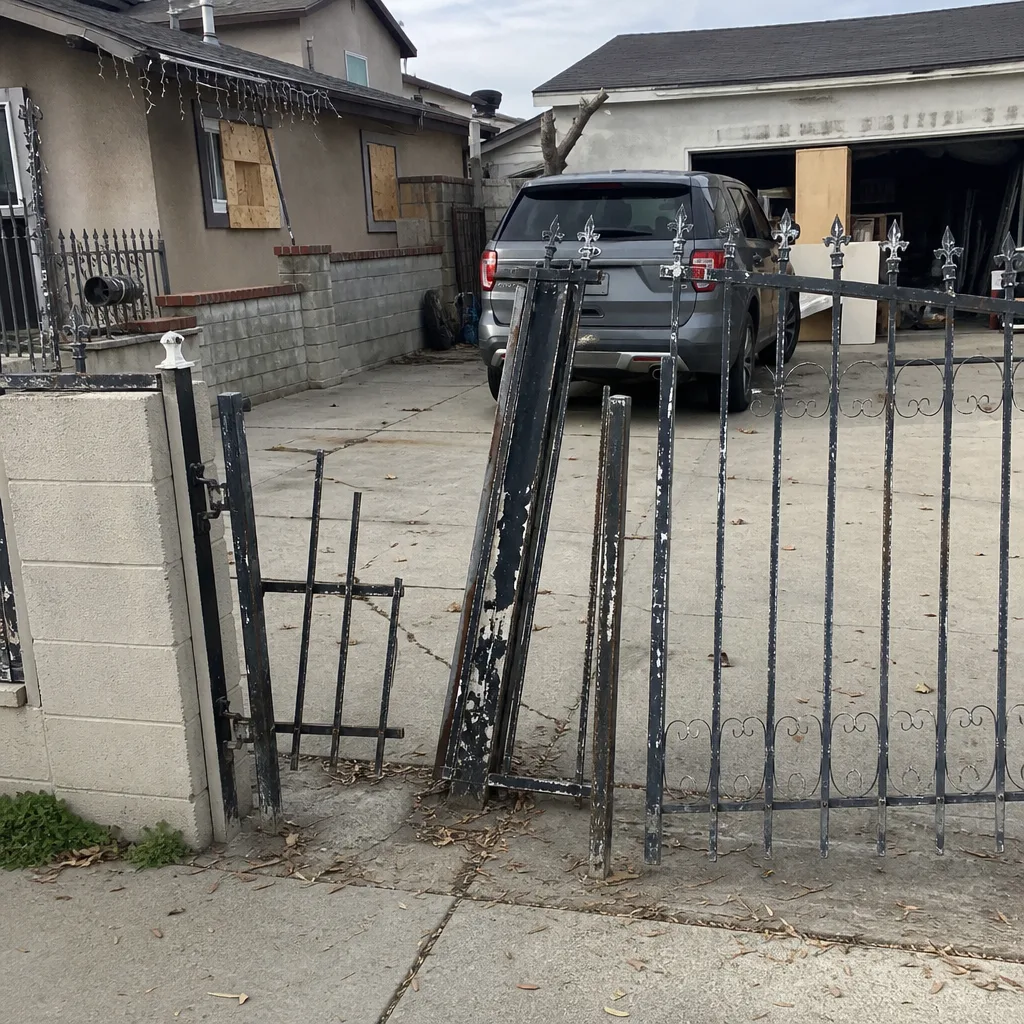 Before
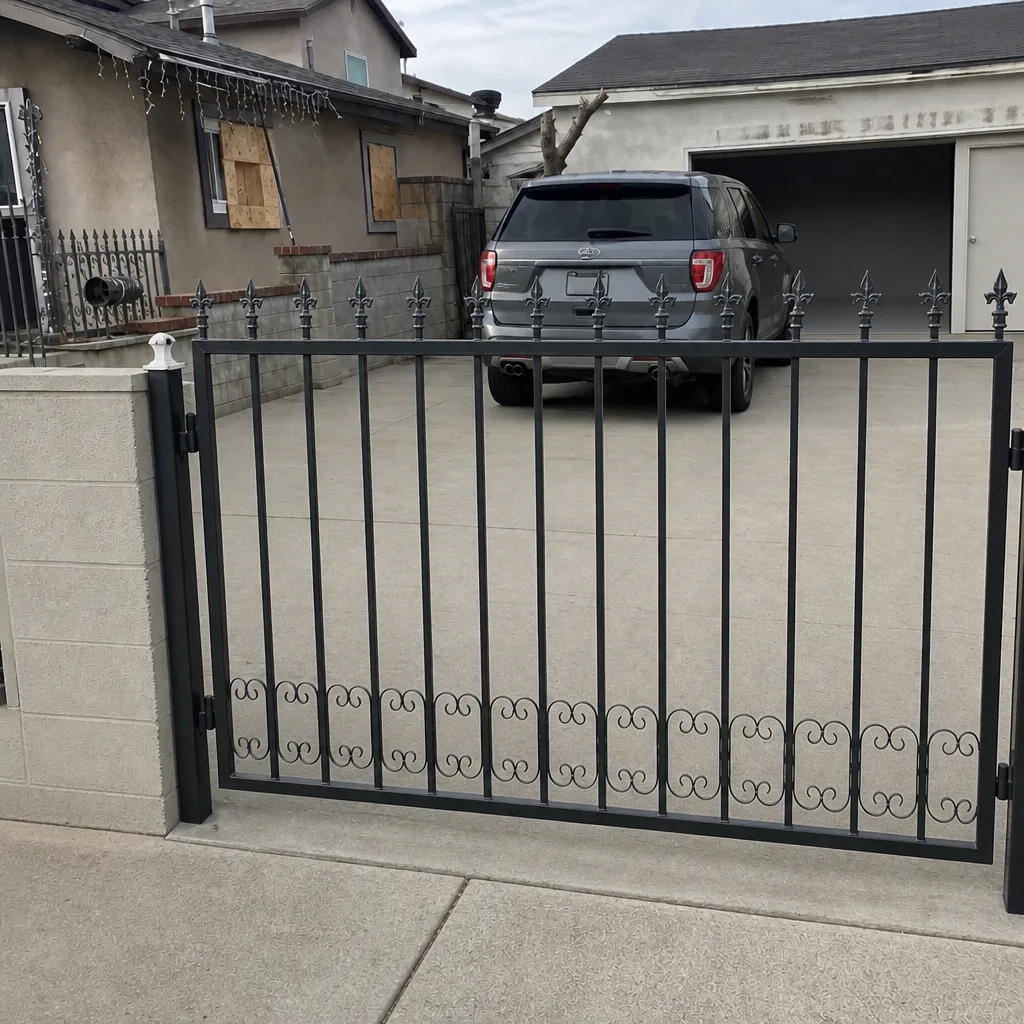 After
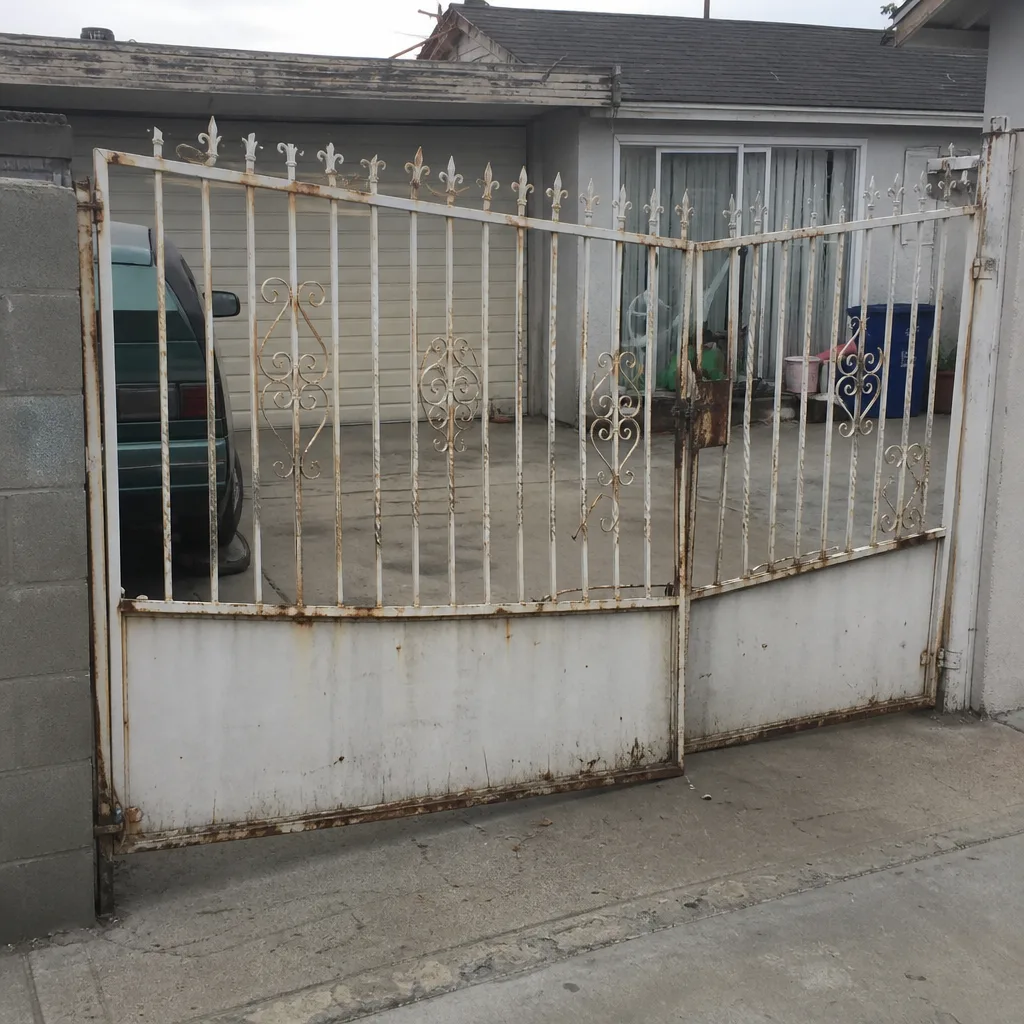 Before
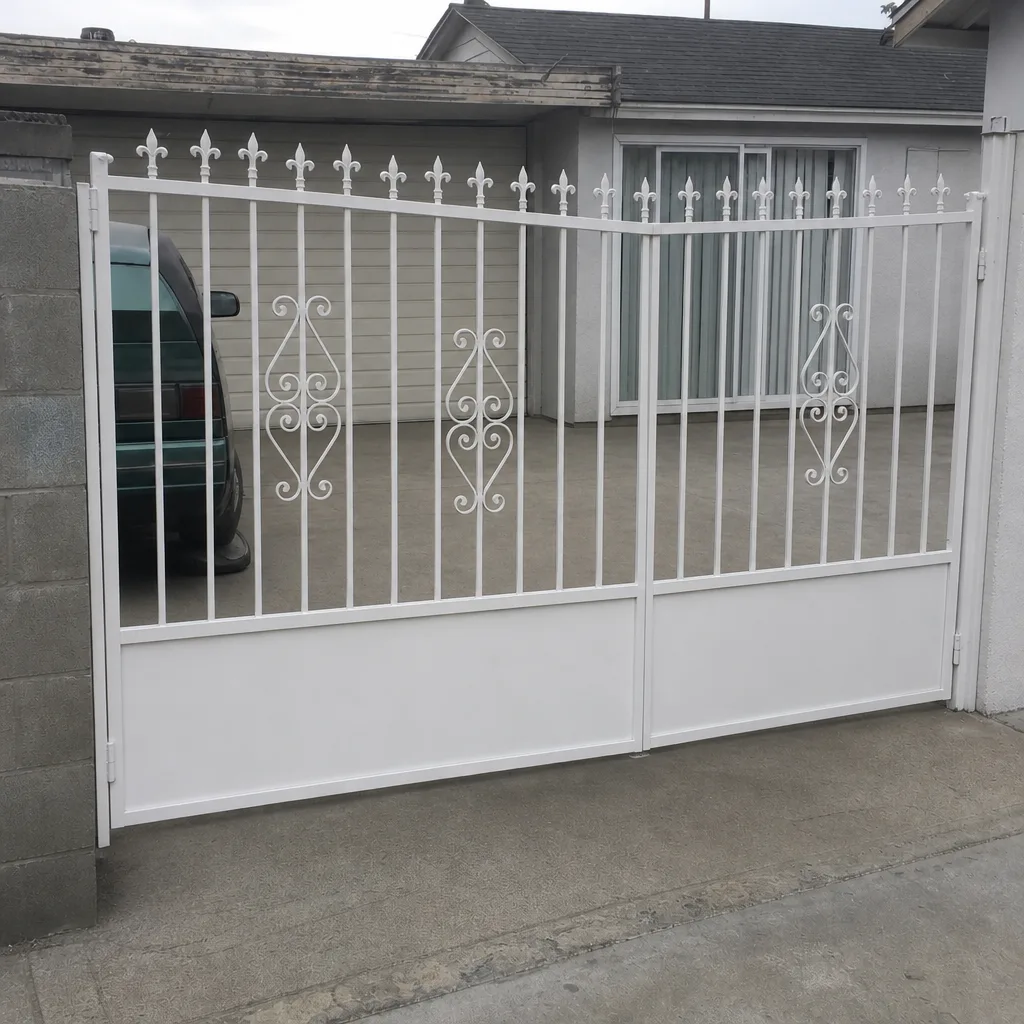 After
Frequently Asked Questions
The most common warning sign is a gate that has slowed down over time. Lynwood homeowners notice the gate hesitating or taking an extra beat to start, and they often dismiss it as normal wear. In our experience, that slowdown means the motor is working against increasing mechanical resistance or a failing capacitor, and the problem gets more expensive the longer it is ignored.
Grinding means metal is contacting metal where it should not. On a swing gate, it is usually hinge wear or a gate leaf that has dropped and is scraping the ground. On a slide gate, it points to debris in the track or worn rollers. The fix is mechanical, not electrical. If you hear grinding, stop using the gate and call gate repair before the motor takes the strain and fails.
A humming electric gate with no movement means the motor is energized but stalled. The most common cause is a failed start capacitor, which provides the initial torque to get the motor turning. On slide gates, it can also mean the gate has jumped its track. Shut the system down at the breaker and have it inspected, because a stalled motor left energized will burn out its windings.
Mid-cycle reversal is usually a false safety signal. Dust on a photocell lens, a cracked safety edge, or a misaligned sensor can all tell the control board to reverse. On systems without safety sensors, a limit switch that has drifted out of adjustment is the likely cause. Both are electrical diagnoses that a technician can confirm with a meter.
Mechanical gate problems make noise and are usually visible: grinding, scraping, bent hardware, debris. Control system problems are often silent and inside the operator: capacitor failure, board faults, sensor misalignment, wiring issues. The same symptom can come from either category, which is why exact diagnosis matters. A gate specialist starts by separating the mechanical from the electrical before quoting any repair.
We work on nine major gate system brands, including LiftMaster, FAAC, BFT, Linear, Viking, Ghost Controls, DoorKing, Elite, and Mighty Mule. That covers residential systems like Ghost Controls and Mighty Mule as well as professional-grade operators like FAAC, BFT, and DoorKing. Whether it’s a Mighty Mule on a driveway or a FAAC system at a commercial entrance, we can diagnose and repair it. For any of the warning signs in this guide, call (855) 360-4375 for a free estimate.
The Bottom Line
Your gate speaks before it fails. Grinding is a clue. Humming is a warning. Hesitation is a countdown. The difference between a cheap hinge adjustment and a costly motor replacement is usually just attention paid weeks earlier. Lynwood’s dry heat, dust, and occasional heavy rain create specific wear patterns on gates, and knowing what those patterns look like on your system puts you ahead of the failure curve. If you have noticed any of the signs in this guide, do not wait for the gate to stop. Call Gate Repair Lynwood at (855) 360-4375 and we will inspect it, explain what we find, and give you a written estimate before any work begins. We answer 24/7. Fast dispatch from 7am to 7pm, Sunday through Friday.
Written by the team at Gate Repair Lynwood, serving Lynwood since 2011.