
Last updated November 4, 2026
 Wrought iron
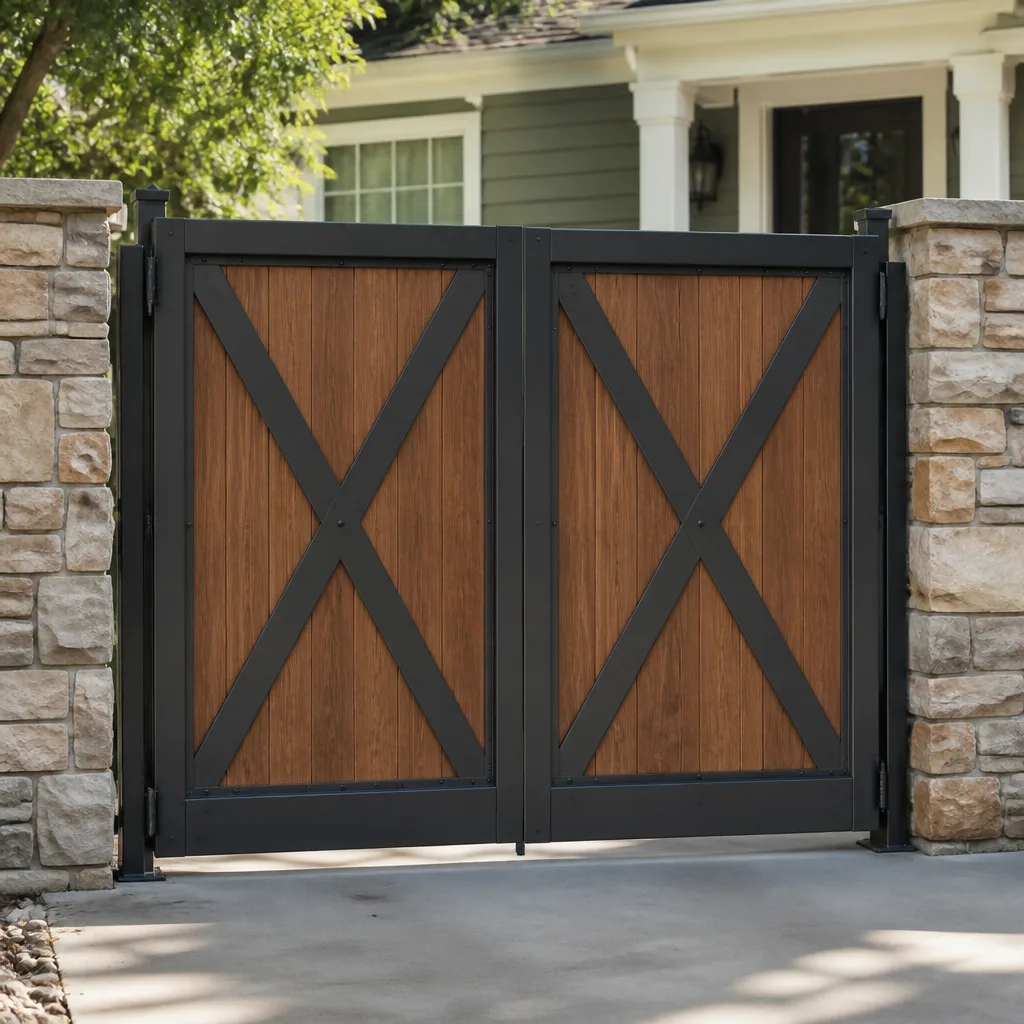 Wood & steel frame
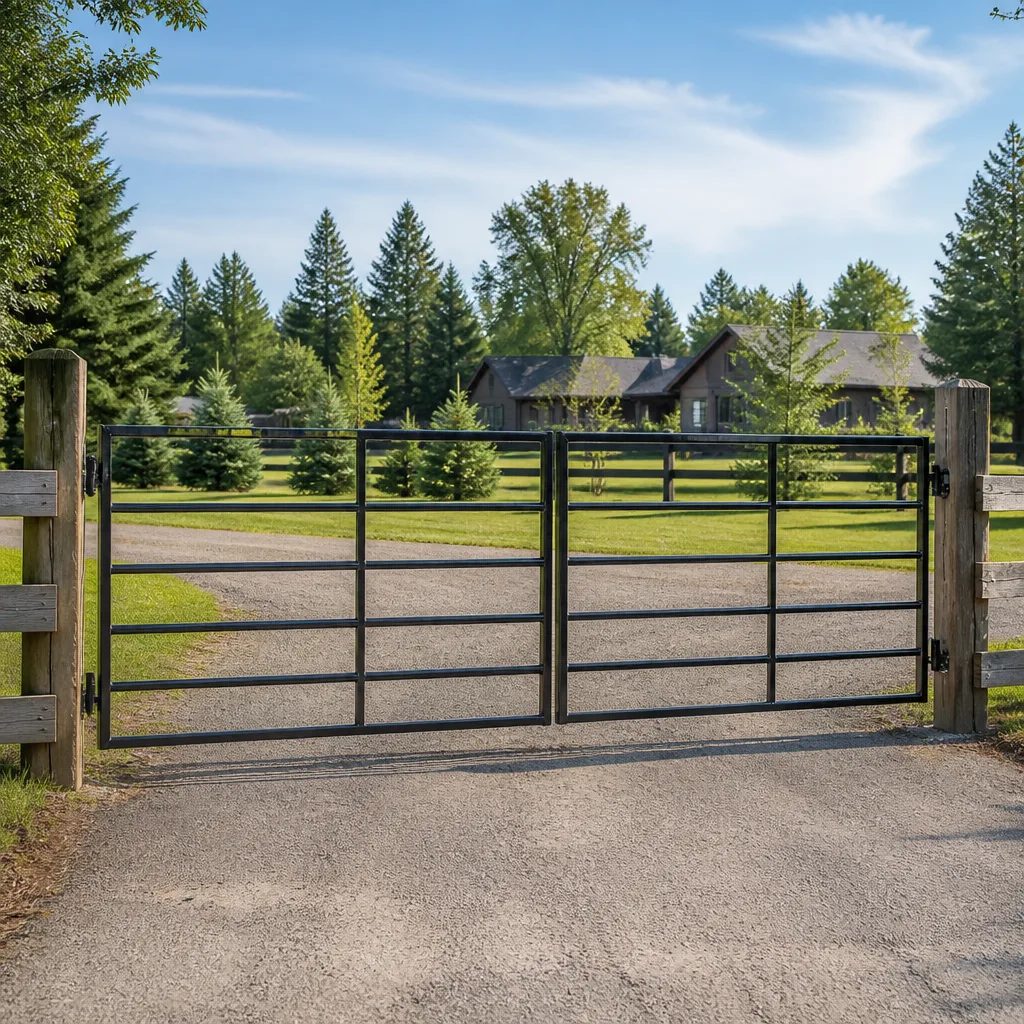 Farm & ranch
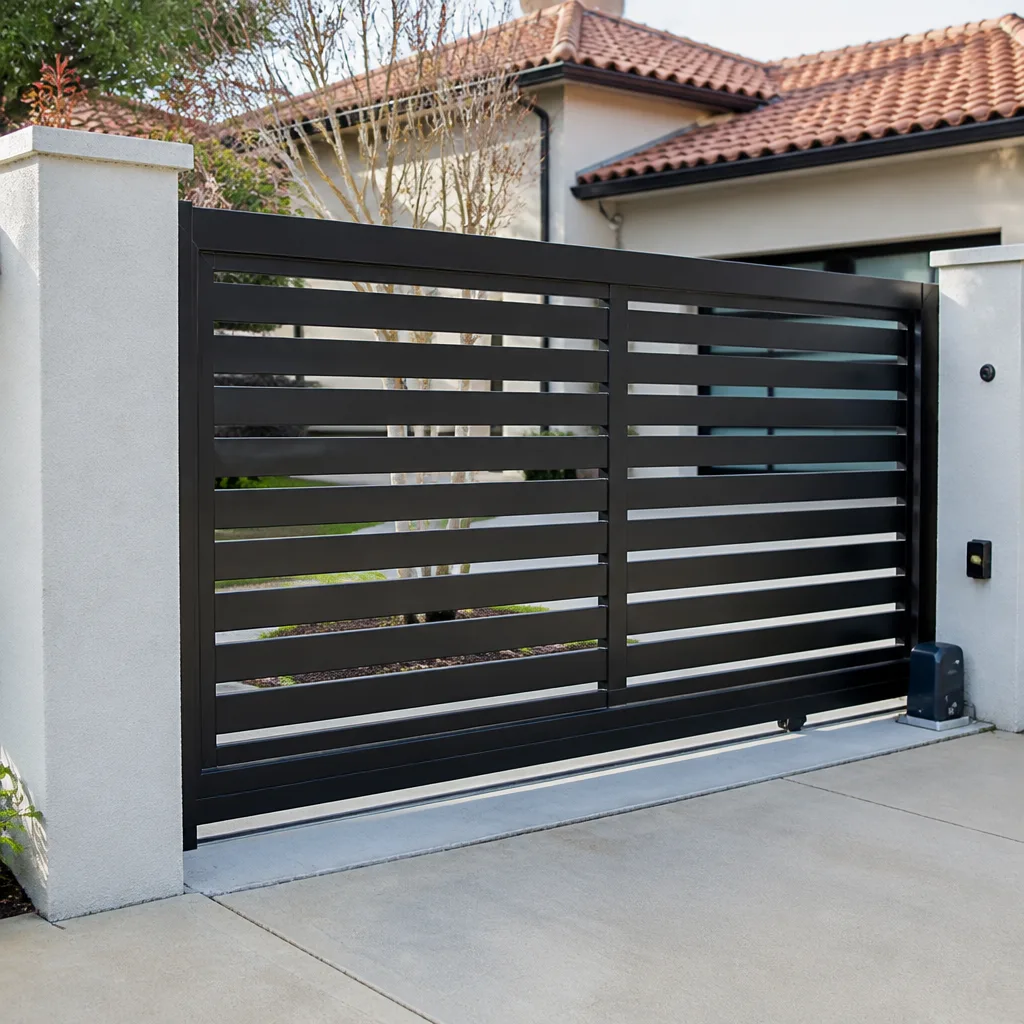 Sliding driveway gates
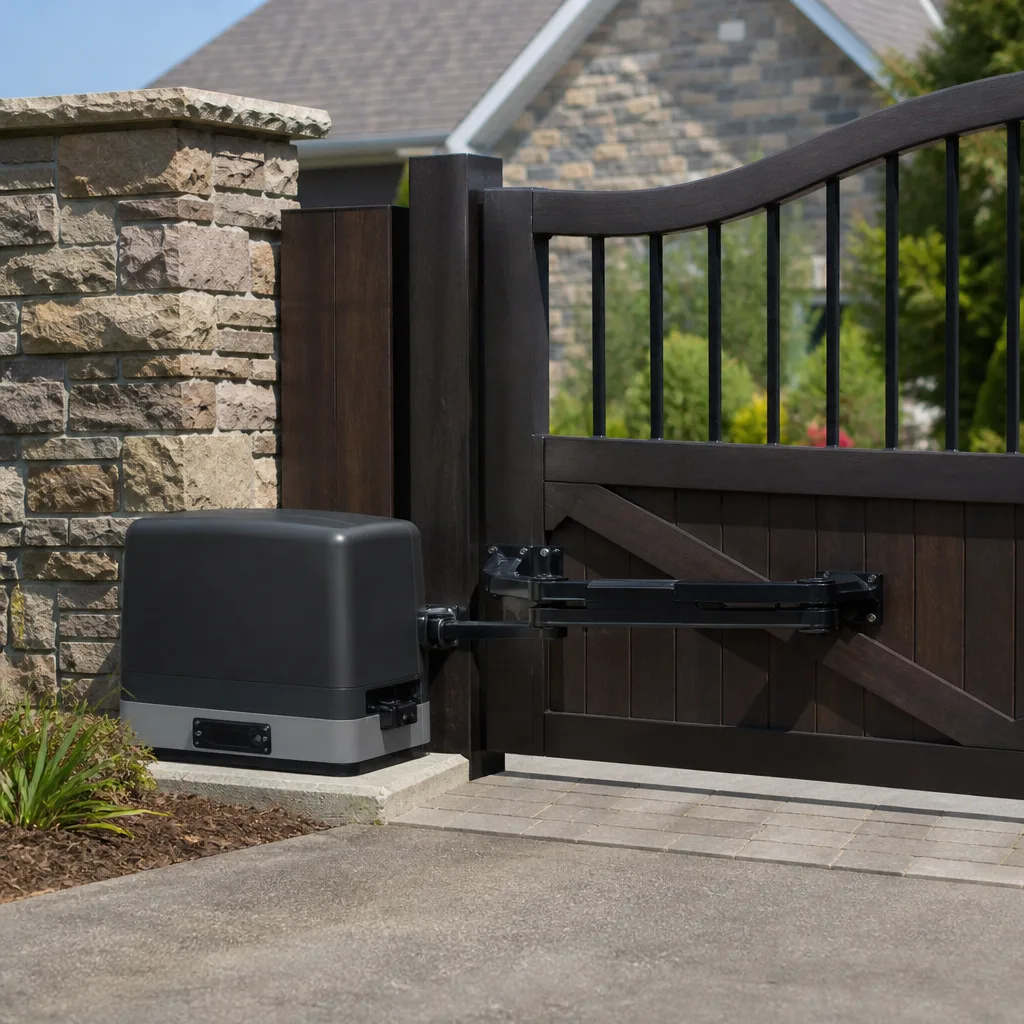 LiftMaster operators
Free on-site gate assessment - hinges, posts, and your LiftMaster or Nice gate operator checked before anything is quoted
The assessment is free and the quote is the invoice.
Get your free estimateGate Repair Maintenance Schedule: What to Do and When
Annual maintenance is the advice given by people who service gates once a year. Gates in high-use residential and commercial properties in Lynwood can cycle 20 to 40 times per day. That is the equivalent of a “yearly” gate hitting its maintenance threshold in under two months. The real schedule is not a calendar. It is a cycle count, a set of visible wear signals, and a handful of Lynwood-specific environmental factors that speed up or slow down every component on your gate. This guide builds a maintenance schedule around your gate type, your actual usage, and what we see on gates across Lynwood.
Styles & brands we work with
- Wrought iron
- Wood & steel frame
- Farm & ranch
- Sliding driveway gates
- LiftMaster operators
Quick Answer
A gate maintenance schedule in Lynwood should be built from cycle count and visual condition, not a wall calendar. For most residential swing gates cycling 10 to 15 times a day, a monthly visual check plus a technician service every 6 to 8 months is right. For commercial slide gates or barrier arms cycling 30 to 40 times a day, you need weekly visual checks and a technician service every 90 to 120 days. The tasks split cleanly: property owners handle debris clearing and visual checks, while electric gate repair technicians handle torque, boards, sensors, and anything wired.
Table of Contents
- Why Cycle Count Replaces the Calendar
- What Lynwood’s Climate Actually Does to Gates
- Monthly Tasks for Property Owners
- What a Technician Should Do Every 6 to 8 Months
- Schedule by Gate Type: Swing, Slide, and Barrier Arm
- Why Lubricating the Wrong Parts Destroys Gate Operators
- Documenting Gate Condition Over Time
- Common Mistakes to Avoid
- When to Call a Professional
- Frequently Asked Questions
- The Bottom Line
Why Cycle Count Replaces the Calendar
A “cycle” is one full open-and-close of your gate. Every manufacturer builds service intervals around cycles, not months, because a gate that opens six times a day wears at a completely different rate than one that opens forty times a day. A residential driveway gate in Lynwood might cycle 8 to 12 times daily during the work week, more if multiple drivers share the property. A commercial entrance gate on a busy lot can hit 30 to 40 cycles daily without breaking a sweat. That commercial gate reaches the same wear point in three months that the residential gate reaches in a year.
Here is the math that matters:
- 10 cycles per day: about 3,650 cycles per year. Manufacturer service intervals typically land around 5,000 to 7,000 cycles for residential operators. That means a service every 12 to 18 months is technically within spec, but in practice we recommend 6 to 8 months because Lynwood dust and UV accelerate specific wear points.
- 25 cycles per day: about 9,125 cycles per year. You are past the residential service threshold. This gate needs service every 4 to 6 months.
- 40 cycles per day: about 14,600 cycles per year. This is commercial territory. Service every 90 to 120 days is not excessive. It is the minimum for avoiding surprise failures.
To calculate your actual cycle count, most electric gate control boards have a cycle counter built in. A technician can read it during a service call. If your gate does not have a counter, a simple tally over two or three typical days gives you a reliable average. The point is that “once a year” is a guess. Cycle count is a measurement.
What Lynwood’s Climate Actually Does to Gates
Lynwood does not have freeze-thaw cycles, snow load, or salt air. What it does have is long sun exposure, fine airborne dust, and consistent mild temperatures that keep gates running year-round with no seasonal downtime. That last part sounds like a benefit, and it is, but it also means gates here accumulate wear without the natural pause that harsher climates impose on usage.
The two climate factors that matter most for gate maintenance in Lynwood:
- UV exposure on vinyl-coated and powder-coated components. Hinge covers, plastic limit cams, wire insulation, and operator housing gaskets all degrade under sustained sun. This is a slow, visible process. You will see fading first, then hairline cracking, then material failure. The timeline is predictable: components with direct afternoon sun exposure typically show cracking within 3 to 5 years. Parts on shaded or north-facing gates can go twice as long.
- Dust infiltration on slide gate tracks and operator internals. Lynwood’s fine dust gets into everything that moves. On slide gates, it mixes with track grease to form a grinding paste that accelerates roller and track wear. Inside operators, dust coats the control board and heat sinks, which makes the board run hotter and shortens capacitor life. This is why slide gates in Lynwood often need track cleaning and board inspection more frequently than the same hardware in coastal or humid climates.
We do not see salt air or marine corrosion here, so rust is rarely a structural issue. What we do see is dust packed into limit switches, UV-brittled wire insulation, and control boards coated in a fine film that is invisible until you open the housing. Your maintenance schedule should assume both factors are active year-round.
Monthly Tasks for Property Owners
You do not need to be a technician to catch most gate failures before they strand you. A ten-minute visual check, done monthly, finds the majority of issues that turn into emergency calls. Here is the checklist we recommend for every gate owner in Lynwood, whether the gate is manual or electric.
- Clear debris from the track path. For slide gates, remove leaves, gravel, and anything that has blown into the track or the path the gate travels. Lynwood’s dust and occasional wind mean this is not optional. A single pebble in the wrong spot can trip a safety edge and leave the gate stuck open.
- Look at the gate in both positions. Open it fully and close it fully. Watch for hesitation, jerking, or changes in speed. A gate that used to move smoothly and now stutters is telling you something before it fails.
- Check hinge and pivot points visually. Look for sagging, visible gaps, or metal-on-metal contact. On swing gates, a gate that has dropped even a quarter inch changes how the operator loads, and that accelerates motor wear.
- Test the safety features. Most electric gates have a safety edge, photo eyes, or both. Block the photo eye while the gate is closing. The gate should stop and reverse. Press the safety edge if it has one. If either test fails, stop using the gate and call for gate repair.
- Inspect wire runs and conduit. Look for cracked conduit, exposed wire, or loose fittings where wiring enters the operator housing or the gate itself. UV makes conduit brittle over time, and exposed wire in Lynwood is a shock hazard and a failure waiting to happen.
- Note any new noises. Grinding, clicking, humming that was not there before, or a gate that sounds like it is working harder than it used to. Write it down. A one-line note in a phone app is enough.
None of these tasks require tools beyond your eyes and ears. They take ten minutes once a month. What they do is create a baseline so that when something changes, you notice it the same week instead of the same month the gate stops opening.
What a Technician Should Do Every 6 to 8 Months
For most residential gates in Lynwood cycling 10 to 20 times per day, a technician service every 6 to 8 months is the sweet spot. This is the interval where we catch torque drift, board degradation, and sensor misalignment before any of them cause a failure that strands a vehicle. The service should be comprehensive but focused: this is condition-based maintenance, not a generic tune-up.
What a real gate technician does during a 6 to 8 month service:
- Torque check on all hinge and bracket fasteners. Metal expands and contracts, gates settle, and bolts work loose. On swing gates, hinge bolts and operator mounting bolts are the first to loosen. On slide gates, it is the roller brackets and guide wheels. Correct torque prevents the gate from sagging and overloading the operator.
- Control board diagnostic and cleaning. A technician pulls the operator cover, reads stored error codes, and cleans dust from the board and heat sink. Error codes tell you what happened since the last service. Dust removal prevents what will happen next.
- Limit switch verification. Limit switches tell the gate where to stop. If they drift, the gate over-travels or under-travels, which stresses every component. Setting them correctly is a five-minute job that saves hundreds in premature wear.
- Safety edge and photo eye alignment. Safety devices get bumped, sun-faded, and dust-coated. A technician checks that the photo eyes are aligned and the safety edge reverses the gate instantly when triggered. On commercial gates, this is a code requirement. On residential gates, it is basic occupant safety.
- Battery backup test. If the gate has battery backup, the technician runs a simulated power failure and confirms the gate opens on battery. Battery capacity degrades with heat exposure, and Lynwood operators in direct sun lose battery life faster than shaded units.
- Lubrication of the correct components only. This is specific. More on this in the lubrication section below, but the short version is that a gate technician lubricates hinges, rollers, and specific pivot points with the correct product, and never sprays the operator internals.
We work on LiftMaster, FAAC, BFT, Linear, Viking, Ghost Controls, DoorKing, Elite, and Mighty Mule systems. The service checklist above applies across all of them because the failure points are universal, but the specifics of board diagnostics and torque specs are brand-specific. That is why Gate Repair Lynwood technicians carry brand-specific diagnostic habits, not generic ones.
Schedule by Gate Type: Swing, Slide, and Barrier Arm
Your gate type dictates the schedule, not your preference. Here is how the maintenance timeline breaks down across the three configurations common in Lynwood.
Swing Gates
Residential swing gates, including models from Ghost Controls and Mighty Mule, cycle less than commercial systems but carry more structural load per cycle because the entire gate weight hangs on hinges. That means hinge inspection is the top priority, followed by operator mounting bolts and clutch or torque settings.
Recommended schedule:
- Monthly: visual hinge check, debris clearing from the gate’s swing path, safety feature test.
- Every 6 to 8 months: technician torque check on hinges and mounting bolts, limit switch verification, board cleaning, lubrication of hinge pins and pivot points.
- Annually: complete safety device test, wire run inspection, battery backup test if equipped.
Slide Gates
Slide gates on rollers and track, common in commercial Lynwood applications using Linear, Viking, or DoorKing operators, are the most dust-sensitive configuration. The track is a dust trap, and dust turns track grease into abrasive paste. Track cleaning is not optional. It is the maintenance task.
Recommended schedule:
- Bi-weekly to monthly: clear debris from track and guide path, visually inspect rollers for flat spots or wobble.
- Every 90 to 120 days for commercial gates: technician service including track cleaning and re-greasing, roller inspection and replacement as needed, limit switch check, board diagnostic, photo eye alignment.
- Every 6 months for high-use residential slide gates: same technician service, with extra attention to track wear and operator heat.
Barrier Arm Gates
Barrier arms, common at commercial entrances and parking areas in Lynwood, cycle frequently and need fast, reliable operation every single time. The arm itself is lightweight, but the operator internal components take repeated high-frequency loads. Capacitor life and board heat are the main concerns.
Recommended schedule:
- Weekly visual check for arm alignment and physical damage from vehicle contact.
- Every 90 days for commercial barrier arms: technician board diagnostic, capacitor test, limit switch verification, safety loop testing, arm balance check.
- Every 6 months: full wiring inspection and battery backup test if equipped.
These intervals reflect what actually keeps gates running in Lynwood, where high-cycle commercial systems and dust-heavy conditions are the norm, not the exception.
Why Lubricating the Wrong Parts Destroys Gate Operators
The single most common maintenance error we see on gate systems is over-lubrication, or lubrication of components that should never see lubricant. It is not harmless. It voids warranties and accelerates motor wear. Here is what to know.
On a swing gate operator, the motor, gearbox, and control board are sealed components. Spraying lubricant into the operator housing, or onto the arm that connects the operator to the gate, does nothing useful and plenty of harm. Lubricant attracts dust, and Lynwood dust is fine enough to work its way into gearboxes and board connectors. What goes in as a “protective” spray comes out as a grinding paste. Manufacturers specifically exclude damage from improper lubrication from warranty coverage. If you see someone spraying WD-40 into a gate operator, that is not maintenance. That is damage in progress.
What should be lubricated, and with what:
- Hinge pins and pivot points on swing gates: a dry silicone spray or white lithium grease applied sparingly to the hinge pin, not the hinge face. Wipe off excess. Excess attracts dust.
- Slide gate rollers and track: a light machine oil on roller bearings if they are serviceable, and a clean, dry track. Many modern track systems use self-lubricating rollers that need no added lubricant at all. Check the manufacturer guidance for your specific system before applying anything.
- Barrier arm pivot bolt: a single drop of light oil on the pivot point, no more. The internal operator components are sealed and should stay that way.
If you are unsure whether a component should be lubricated, the answer is usually no. A technician who works on electric gate repair can show you exactly which points on your specific gate benefit from lubrication and which should never be touched. The wrong spray in the wrong place is not covered by warranty, and it does not give you a warning before it fails.
Documenting Gate Condition Over Time
The most valuable maintenance tool we see property owners use is not a wrench. It is a simple log. Gates fail slowly, and the signs are often so gradual that you do not notice them day to day. A two-minute note after each monthly check changes that. You catch declining performance trends before they become emergency failures.
What to record each month, in a phone note, a spreadsheet, or a paper log:
- Date and cycle count reading if your gate has a counter.
- Any new noise and when you first noticed it.
- Gate position when closed: is it fully seated against the stop, or drifting short?
- Safety device test results: did photo eyes and safety edge respond correctly?
- Debris accumulation on the track or in the gate path.
- Any technician service date and what was done.
Over six to eight months, this log shows you patterns that a single inspection cannot. A gate that needed photo eye adjustment twice in four months is not a gate with a photo eye problem. It is a gate with a mounting or alignment problem that is getting worse. A slide gate that has needed track cleaning more frequently each month likely has a worn roller causing misalignment, not more dust than usual.
This documentation also makes technician service more efficient. When we arrive and the owner hands us a log that shows a progressing hinge noise and a drift in the closed position, we go straight to the right components instead of spending the first twenty minutes diagnosing from scratch. That is good for the property owner, good for the gate, and it keeps service costs down by targeting the actual problem.
Common Mistakes to Avoid
- Following a calendar instead of cycle count. A gate cycling 30 times a day in commercial service needs attention four times as often as a gate cycling 8 times a day. “Once a year” is a guess, and a costly one for high-use gates in Lynwood.
- Lubricating the operator internals. Spraying lubricant into a sealed motor or control board voids warranties and creates a dust magnet that accelerates failure. This is the fastest way to turn a working operator into a dead one.
- Ignoring noise changes. A new grind or whine is the gate telling you something is wearing. It will not fix itself. The longer it runs, the more components you replace instead of repair.
- Skipping safety device tests. Photo eyes and safety edges fail silently. You will not know they are dead until the gate hits something. A monthly test takes twenty seconds.
- Letting slide gate tracks stay dusty. Lynwood dust plus track grease makes abrasive paste. Clean the track monthly, not quarterly, and your rollers will last years longer.
- Doing torque checks without a torque wrench. Over-tightening is a failure mode too. Stripped threads and cracked brackets are not repairable. Leave torque work to a technician with the right tools and specs.
When to Call a Professional
Some maintenance tasks are yours. Most of the mechanical and electrical work is not, and the line is easy to draw. If the gate is sagging, if you see exposed or cracked wiring, if the gate reverses unexpectedly, if the operator makes a grinding sound, or if any safety device fails a test, stop using the gate and call a technician. Do not try to adjust torque settings, open a control board housing, or rewire anything yourself. Gate operators run on line voltage, and slide gates that come off the track can crush whatever is in the path. From the motor to the control board, these systems need a trained professional with the right diagnostic tools.
Gate Repair Lynwood offers free estimates in Lynwood. Call (855) 360-4375. We answer 24/7. Fast dispatch from 7am to 7pm, Sunday through Friday.
Frequently Asked Questions
For a typical residential gate cycling 10 to 20 times per day, service every 6 to 8 months is right. Commercial gates cycling 30 to 40 times per day need service every 90 to 120 days. The schedule should follow cycle count, not a calendar. Call (855) 360-4375 for guidance on your specific gate.
A one-time maintenance visit is priced per job after a technician looks at your gate. The estimate is free, and the written estimate sets the final price before any work starts. Call (855) 360-4375 for a free on-site estimate.
You can lubricate hinge pins and pivot points with the correct product, applied sparingly. Never lubricate the operator motor, control board, or any sealed internal component. Lubricant in the operator voids warranties and attracts dust that accelerates wear. When in doubt, ask a technician which points on your specific gate need lubrication.
Lynwood’s fine airborne dust settles into slide gate tracks and mixes with track grease, forming an abrasive paste that grinds down rollers and the track itself. Monthly debris clearing is the minimum. For commercial slide gates, the track should be cleaned and re-greased by a technician every 90 to 120 days.
Most electric gate control boards have a cycle counter accessible through the operator’s diagnostic menu. A technician can read it during a service call. If your operator does not have one, a simple tally over two or three typical days gives you a reliable daily average.
We work on LiftMaster, FAAC, BFT, Linear, Viking, Ghost Controls, DoorKing, Elite, and Mighty Mule systems. Whether it is a Ghost Controls on a driveway or a FAAC system at a commercial entrance, our technicians are equipped to diagnose and service it. Call (855) 360-4375 for a free estimate.
The Bottom Line
A gate maintenance schedule in Lynwood should be built around cycle count, gate type, and visible condition, not a generic annual visit. Residential gates cycling 10 to 20 times daily need monthly visual checks and technician service every 6 to 8 months. Commercial slide gates and barrier arms need attention every 90 to 120 days. Owner-level tasks are simple: clear debris, test safety devices, note new noises, and never lubricate sealed operator internals. Technician-level tasks are specific: torque checks, board diagnostics, limit switch verification, and correct lubrication of the right components. Document what you see each month, and you will catch declining performance before it strands you at the gate. For a free estimate in Lynwood, call (855) 360-4375. We answer 24/7. Fast dispatch from 7am to 7pm, Sunday through Friday.
Written by the team at Gate Repair Lynwood, serving Lynwood since 2011.
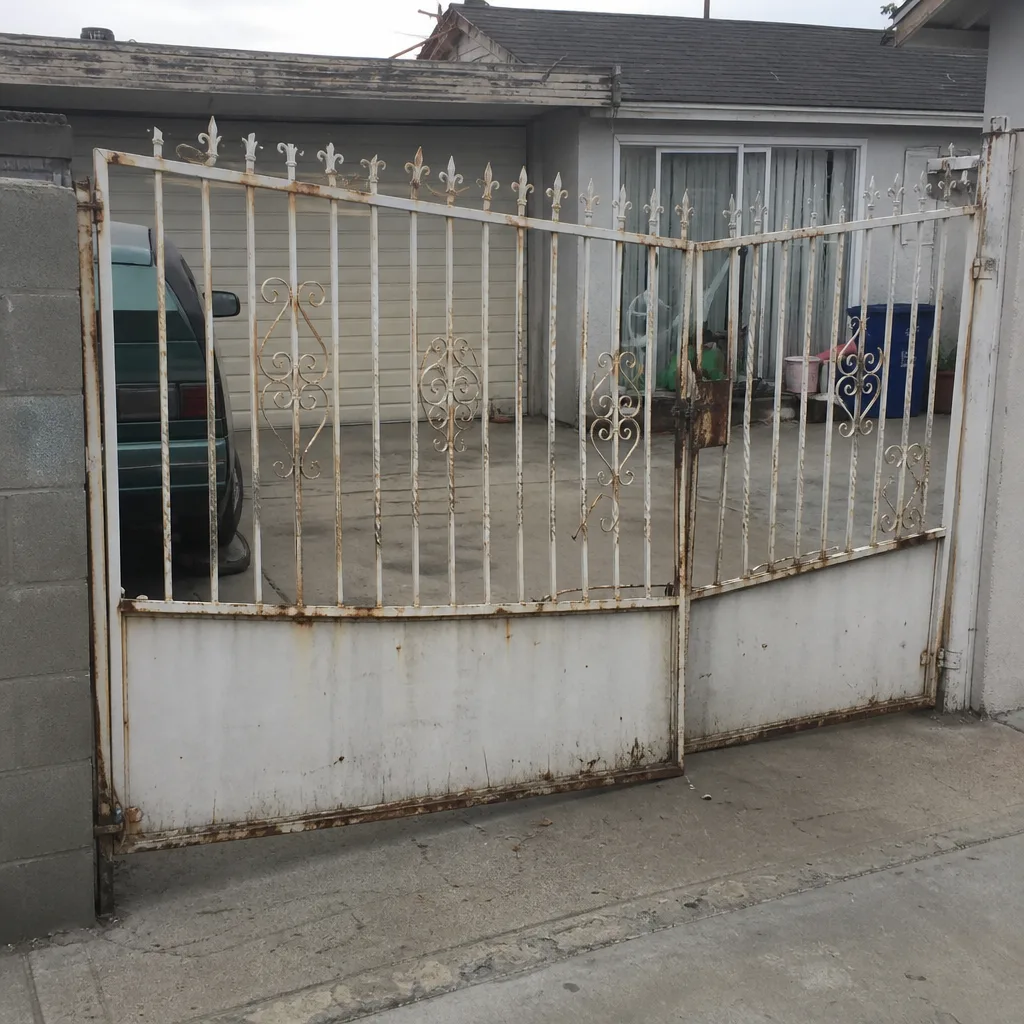
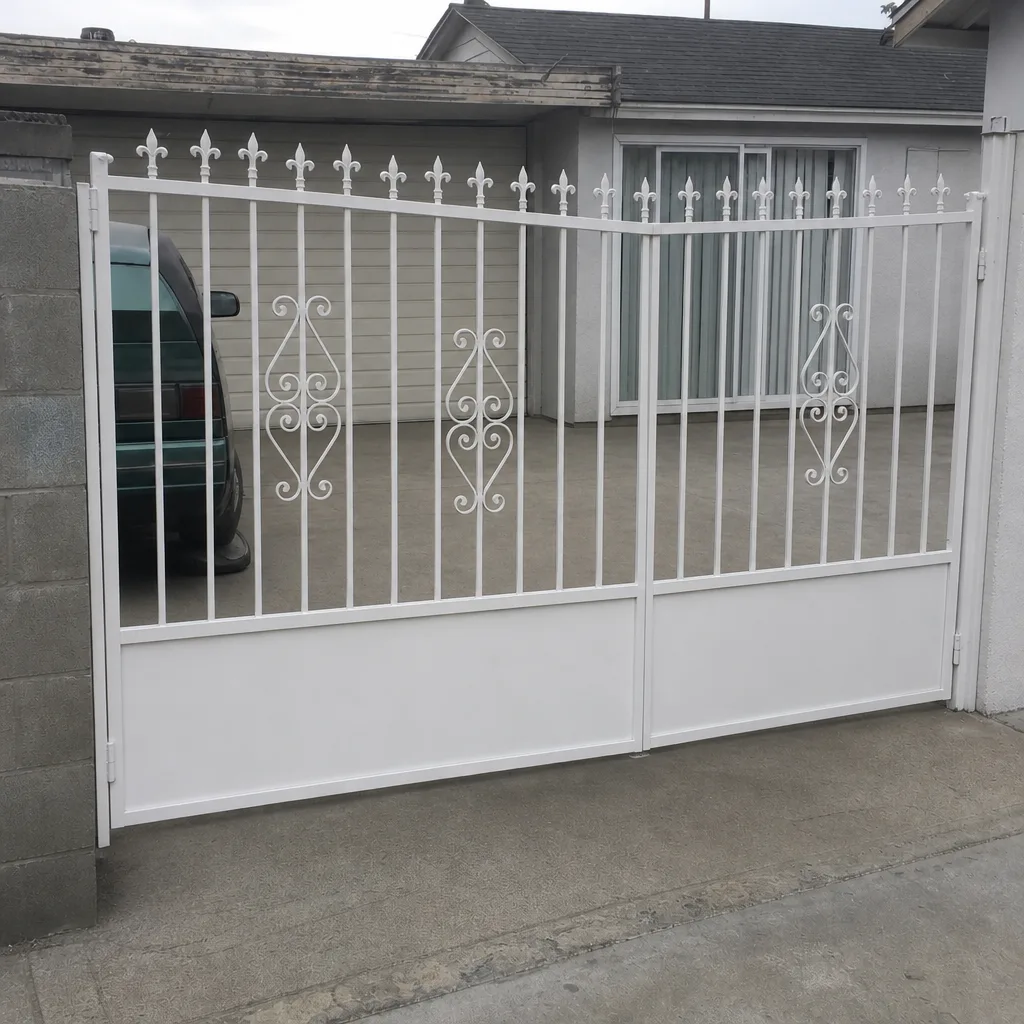
See the difference
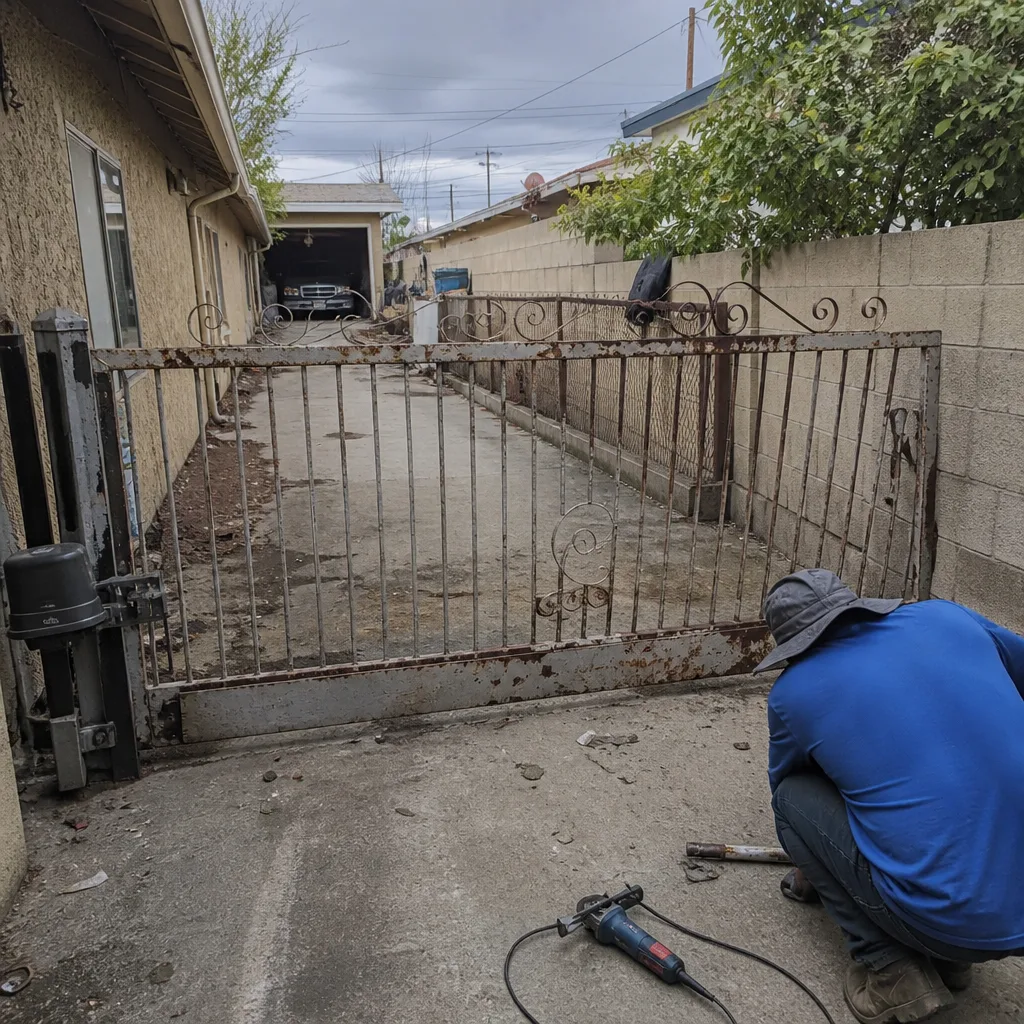 Before
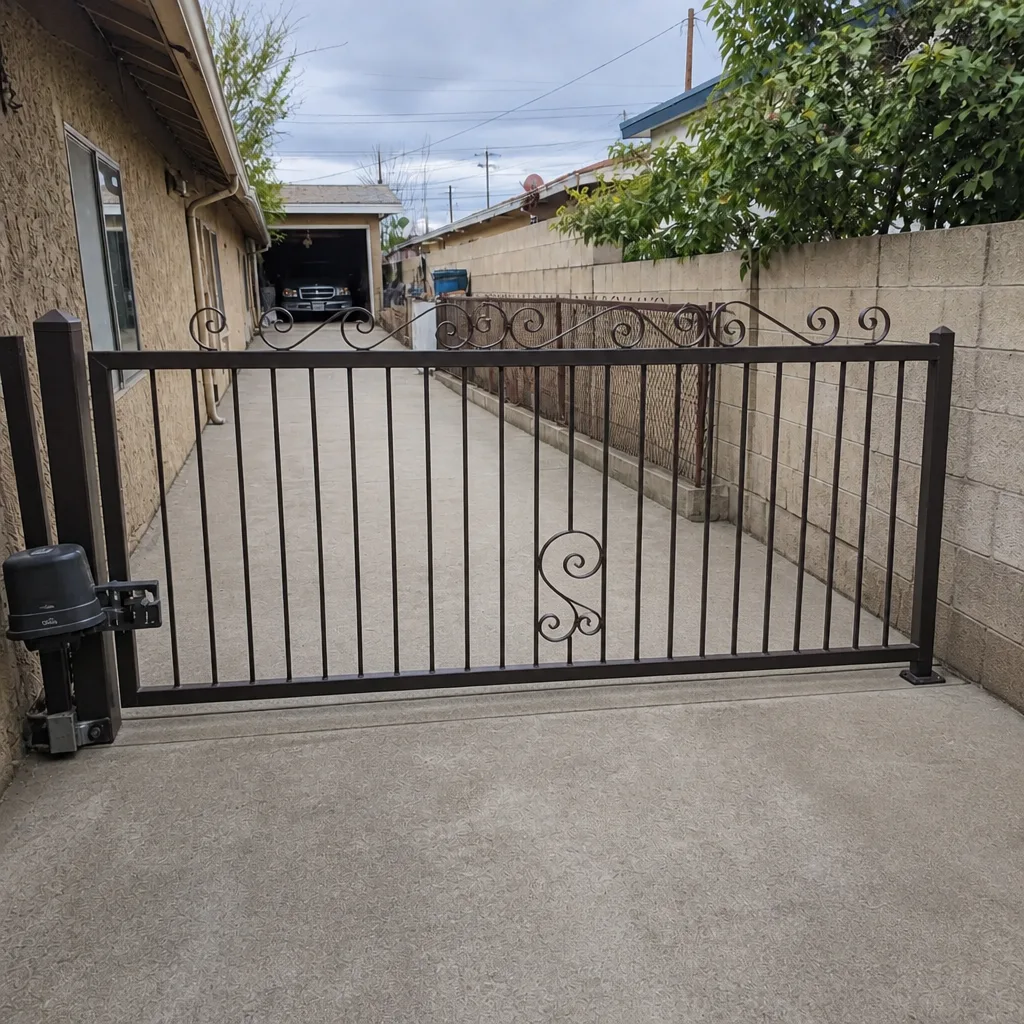 After
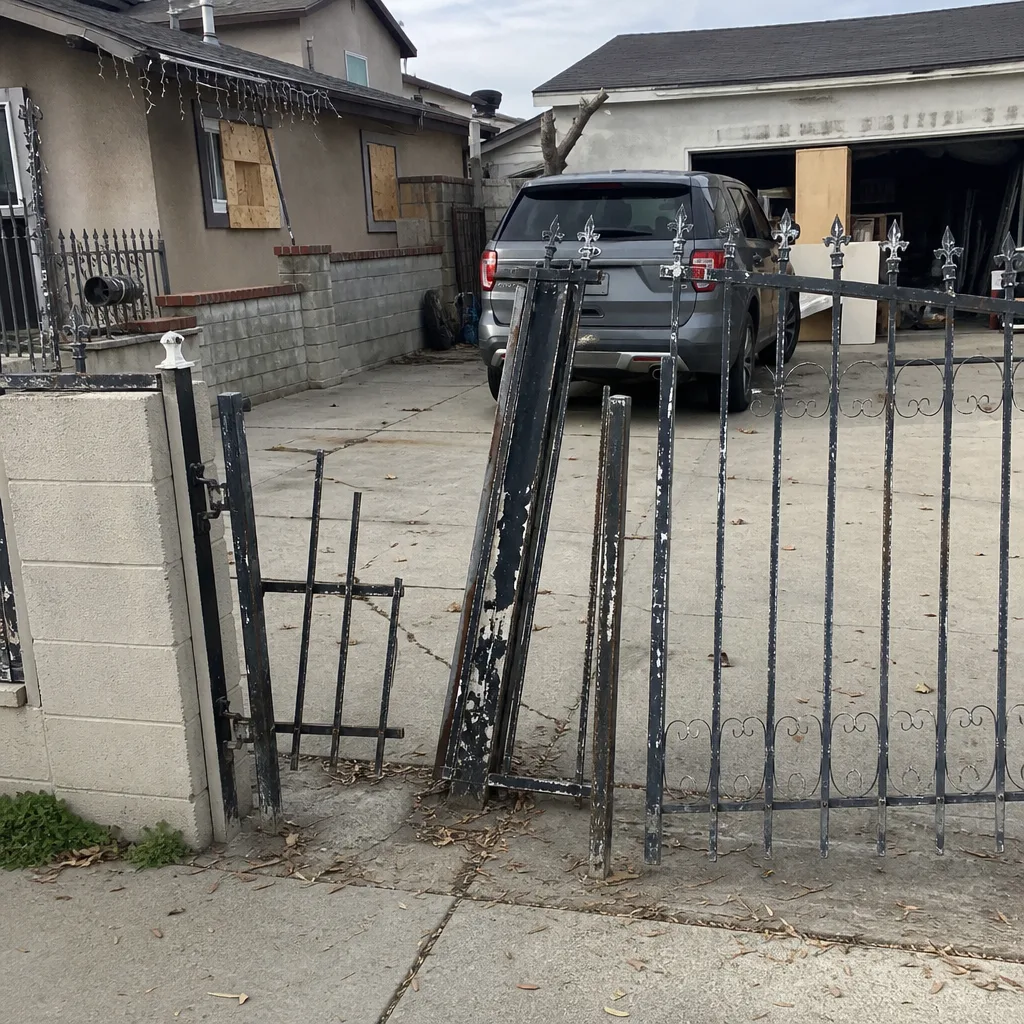 Before
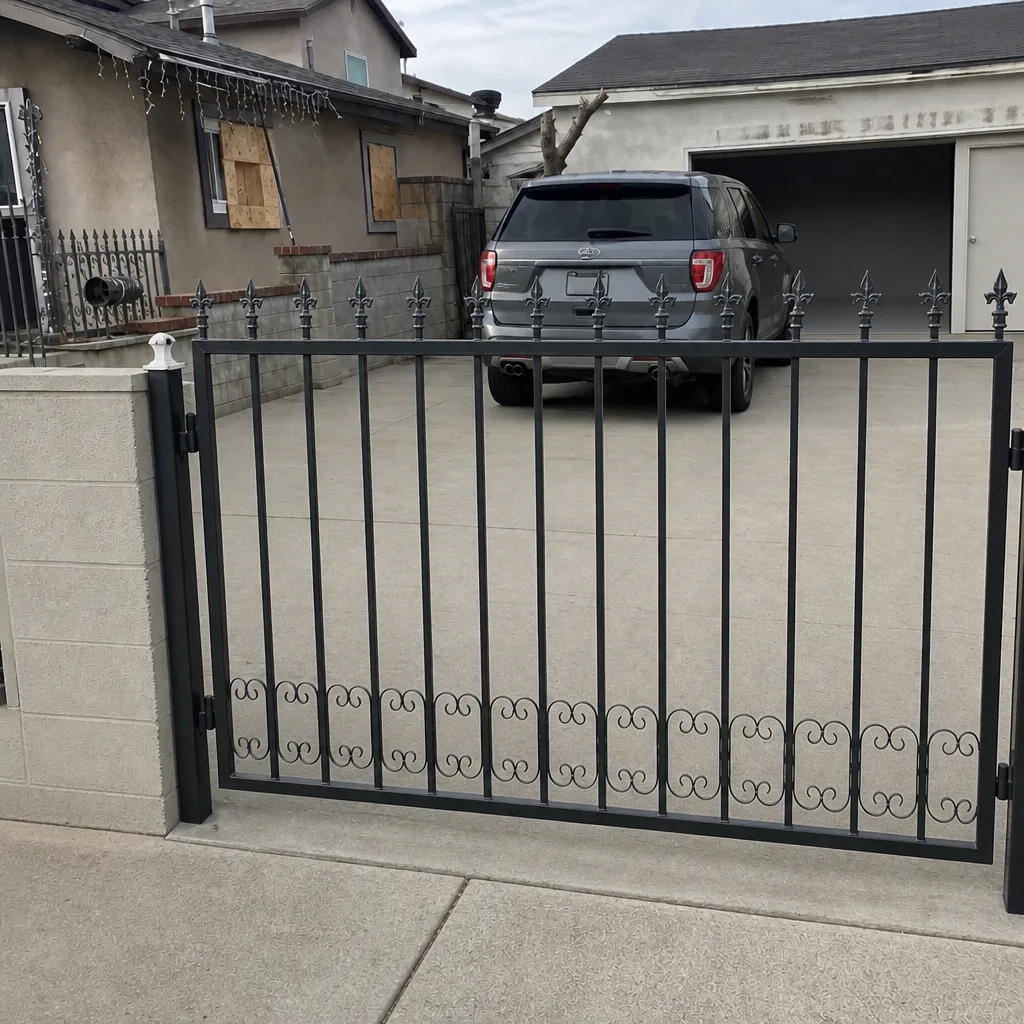 After
 Before
 After